LuxuryCarMagazine En Luxury Car Review and News
The entire powertrain offering of the 2016 Audi R8 is not yet known, but even before its reveal at the Geneva Auto Show, we have a pretty good idea of what the next generation of Audi’s mid-engined sports car is all about.
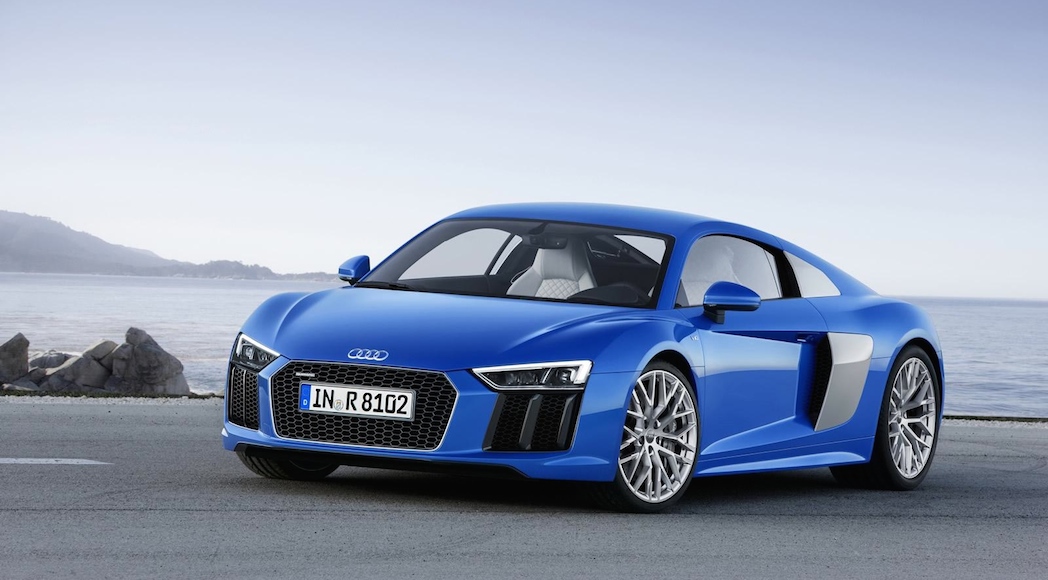
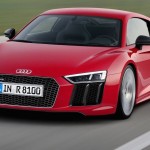
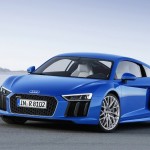
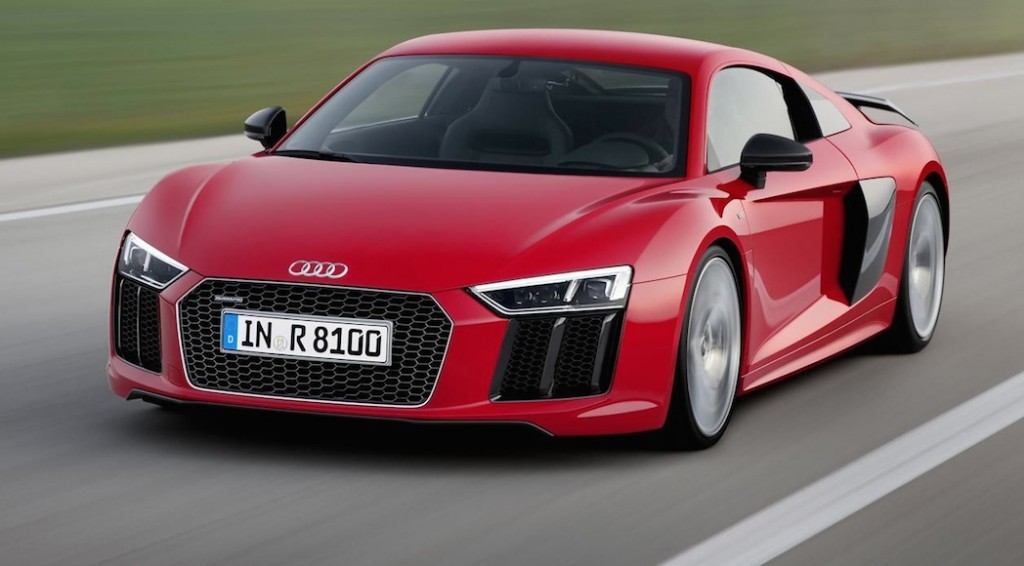
More of an evolution than a revolution in the stylistic sense, the 2016 R8 gets a host of angular touches that have been gracing other new models out of Igolstadt. Take the headlights, for example: LED items will come as standard, but Audi’s all-new laser headlights—that can see 600 meters ahead—will be available on higher trims. Below them, new air intakes with dual vertical slats make for a more business-like front fascia.
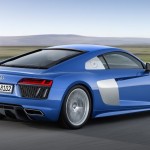
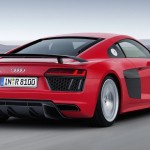
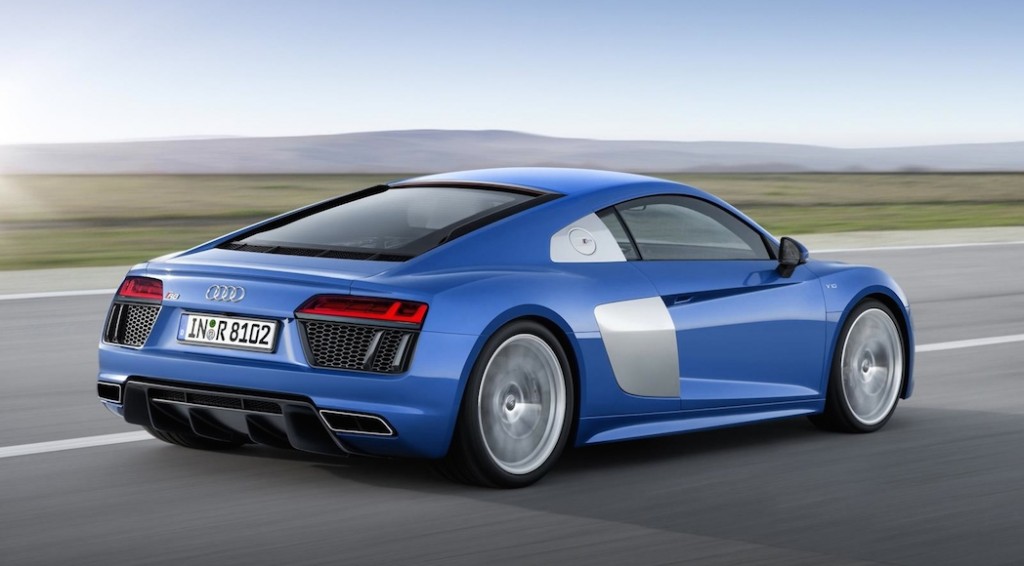
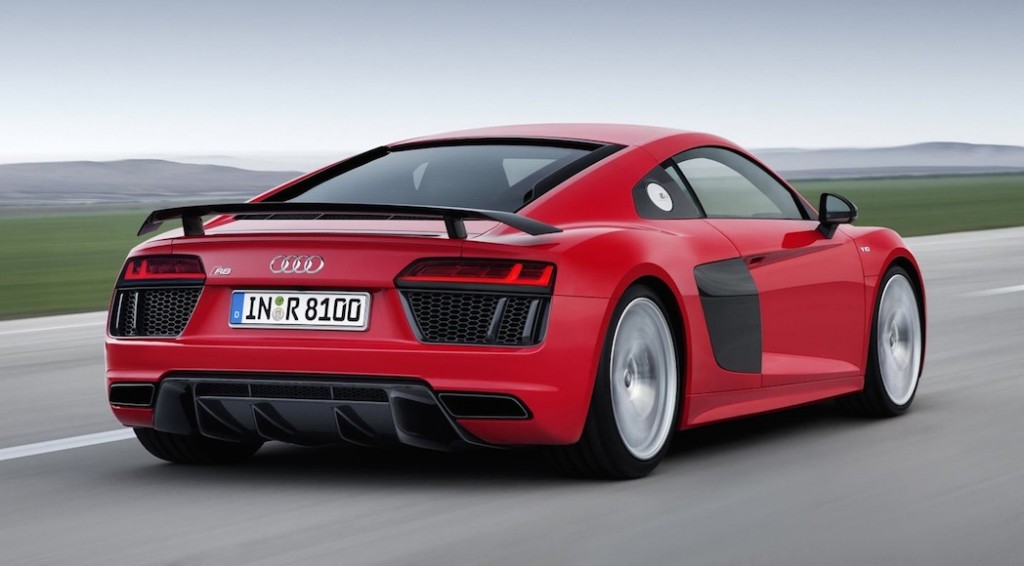
In profile, previous-gen R8’s once again come to mind, but nice creases along the side give an impression of a longer, more agile stance. At the back, the taillights are a little slimmer, a little more Tron-like and the intakes below are rectangular now, as opposed to circular. Like the view from the side, the view from the rear is squatter and more purposeful. A retractable rear spoiler comes as standard, while V10 Plus models get a fixed version, constructed of carbon fibre reinforced plastic.
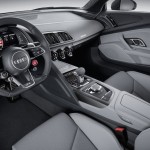
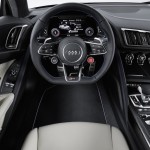
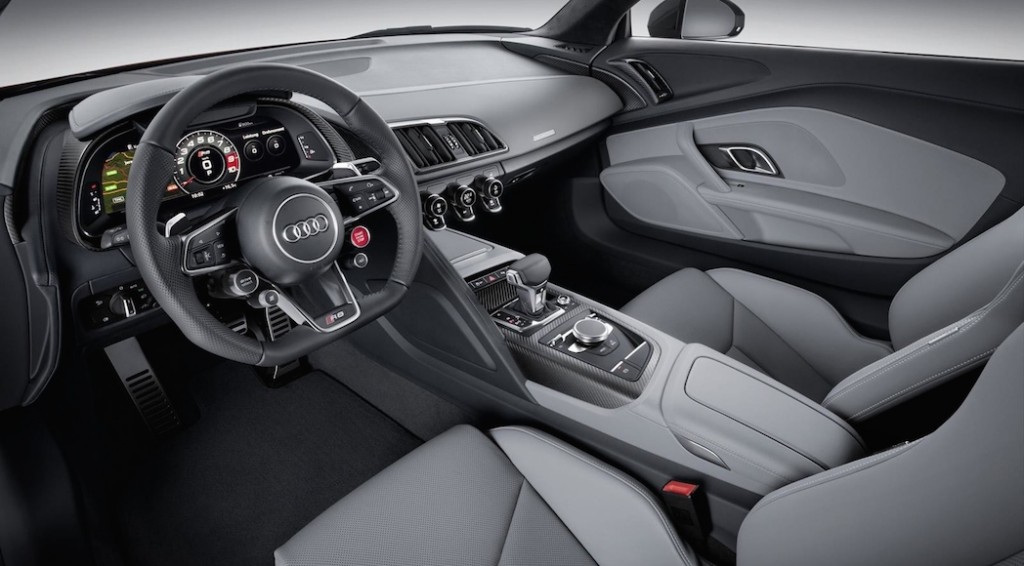
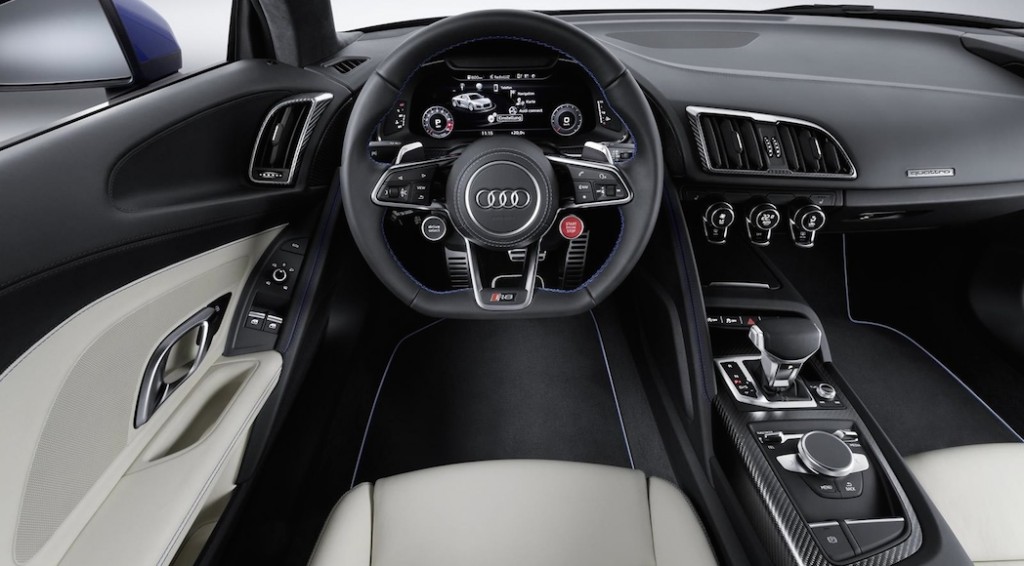
Inside, there may be a bit of déja vu, but it remains innovative, thanks to to a new gauge cluster first seen on the latest TT. It features a 12.3-inch screen, with almost infinite configurations. For the first time, steering wheel-mounted buttons are used both for engine start/stop (on the right) and drive mode selector (on the left).
Thanks to Audi’s new spaceframe construction, 50 kilos have been saved over the old version; V10 models now weigh in at 1,555 kg, with V10 Plus models tipping the scales at 1,454 kg. One can assume that V8-powered models will be even lighter.
Two V10s engines will be offered: regular V10 models get a 540 horsepower, 398 lb.-ft. unit, with those numbers increasing to 610 and 413, respectively, for the V10 Plus. A single transmission is offered for both: an S-tronic 7-speed automatic, with Quattro all-wheel drive is standard. We’ve also learned that Plus models will get optional carbon-ceramic brakes.
V10 models will perform the 0-60 mph sprint in 3.5 seconds, with the Plus shaving a further .3 seconds off of that, onto a top speed of 330 km/h.