LuxuryCarMagazine En Luxury Car Review and News
You can call me jaded if you want, but when you’re in a business that has you driving a new car every week, well, let’s just say it takes quite a lot to surprise you.

Review Overview
Styling - 8.5
Driving Pleasure - 8
Performance - 8.5
Driving Comfort - 7.5
Interior Space - 7
Fuel Economy - 7
Winter - 6.5
7.6
Oh, it’s happened before; I knew the Porsche Boxster Spyder was going to be good, but not that good; I knew the Ram 1500 EcoDiesel pickup would be efficient but not that efficient; and I knew that there was no way the Lexus Avalon…I mean Camry…I mean ES would impress me with its impeccable manners the way it did.
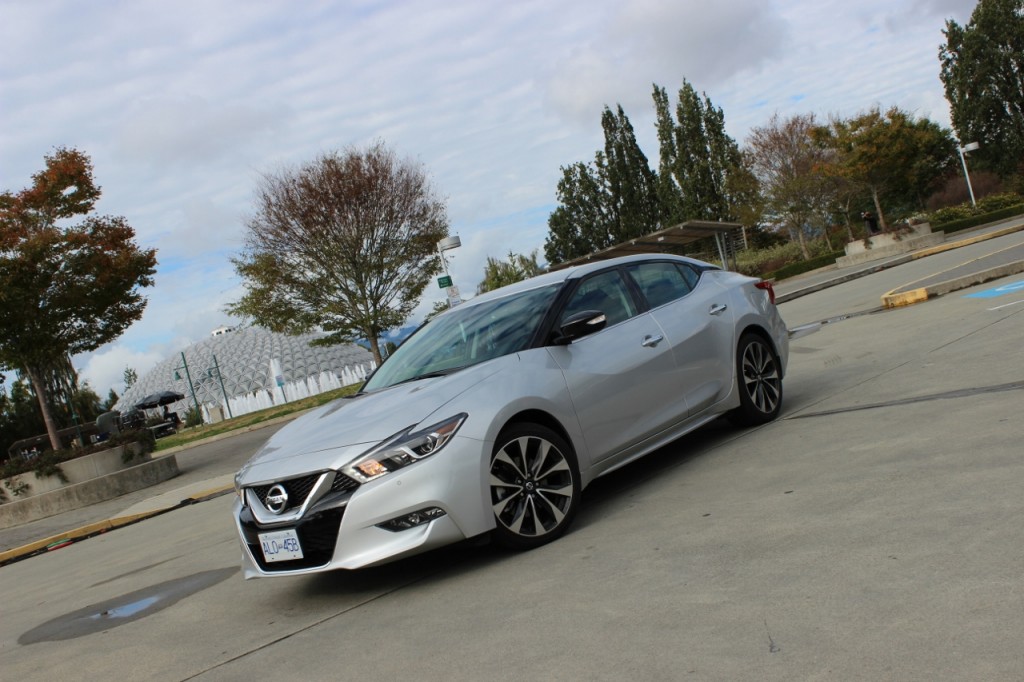
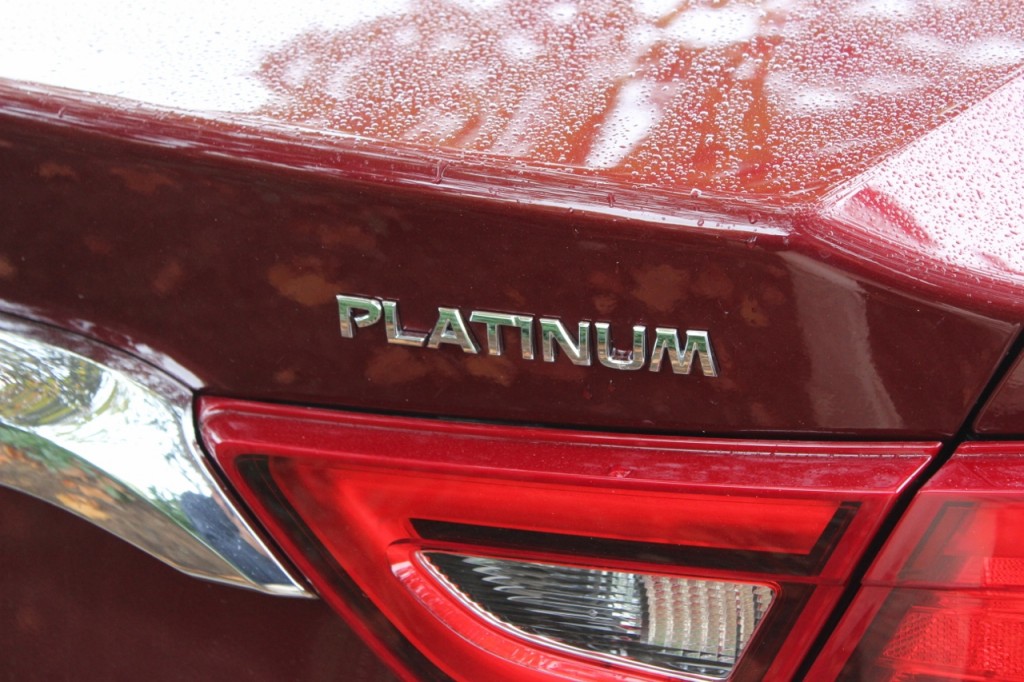
Nothing, however, prepared me for what I would experience at the wheel of the Nissan Maxima and more specifically, the Nissan Maxima Platinum and Maxima SR, effectively two top trims of the same model.
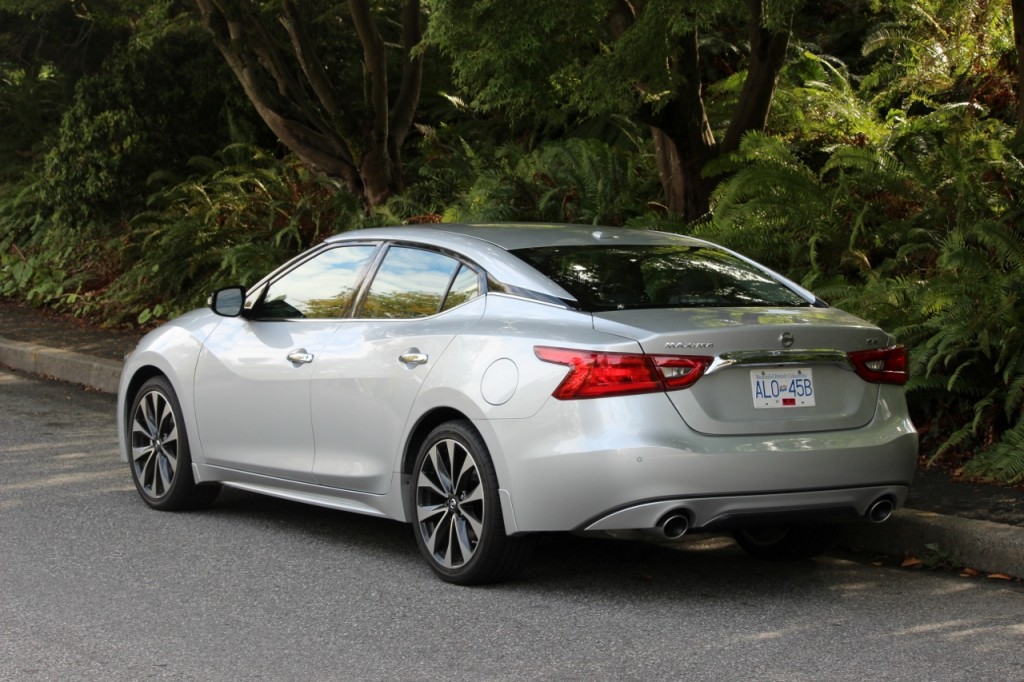
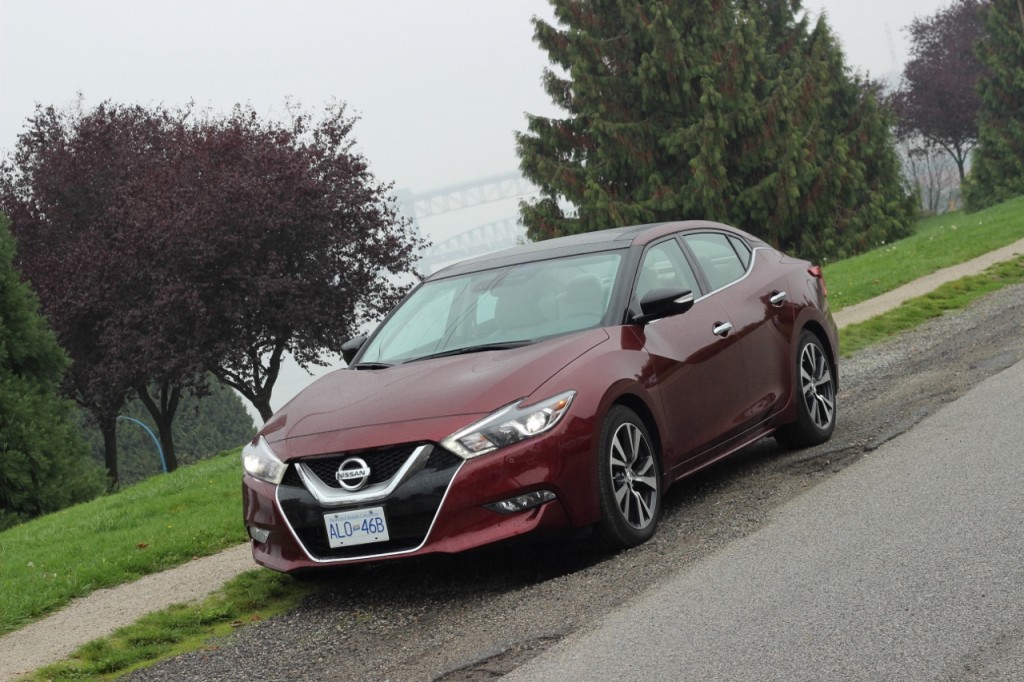
Of course, from looking at it, you may guess that there was something “else” going underneath the skin. The myriad strakes, cuts, and creases that make up the cars’ body lines all point to Nissan trying to fashion their flagship sedan as something more than just an A to B people mover, even if most people that buy these are likely going to use them precisely for that.
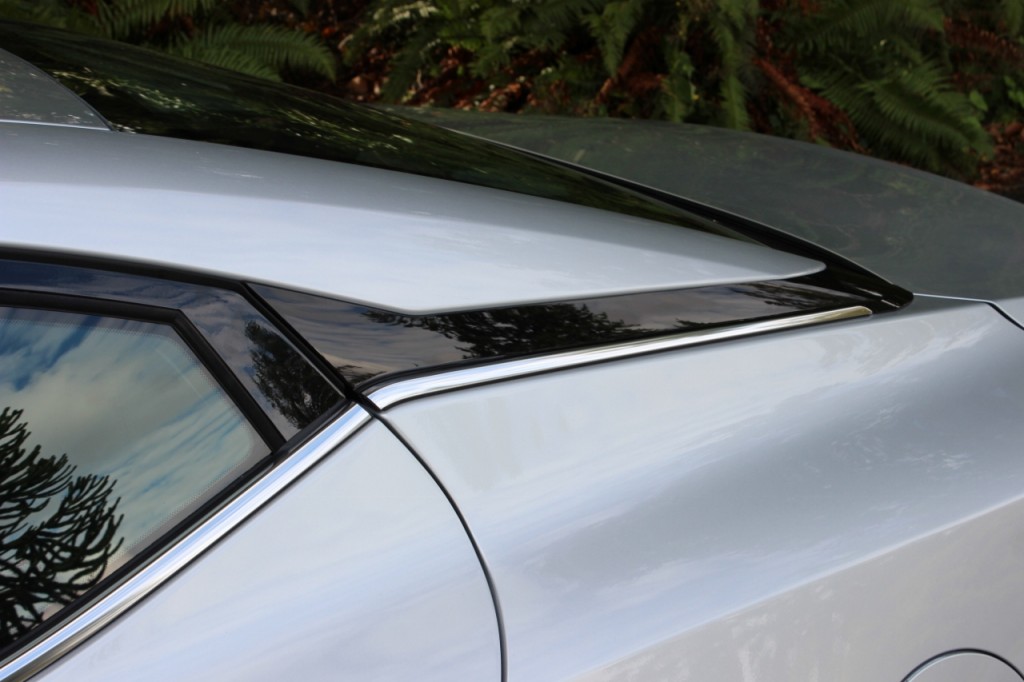
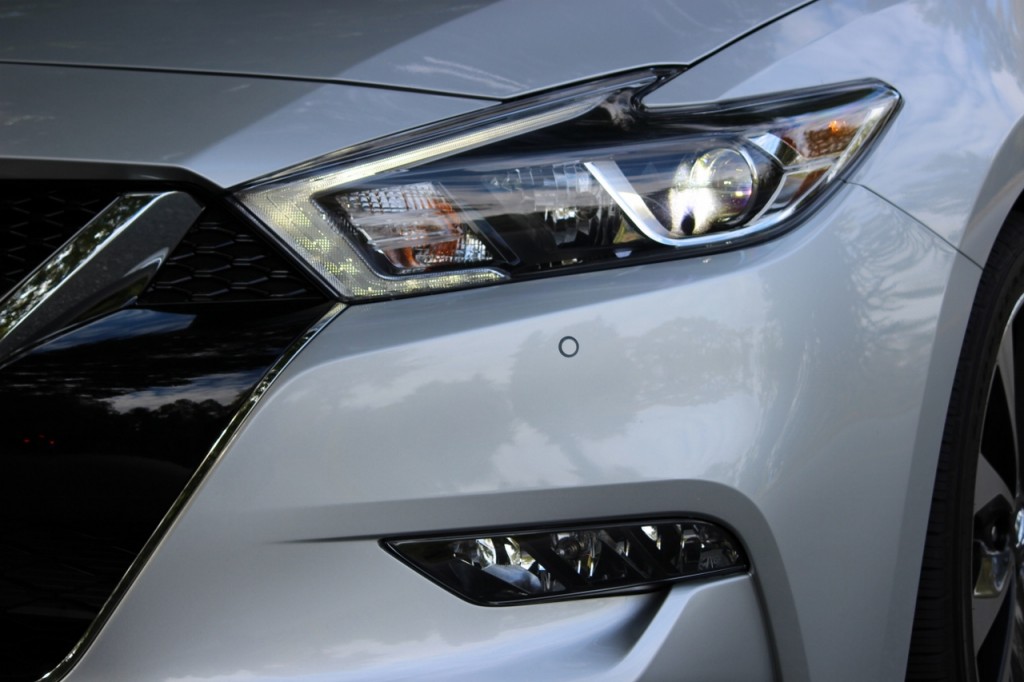
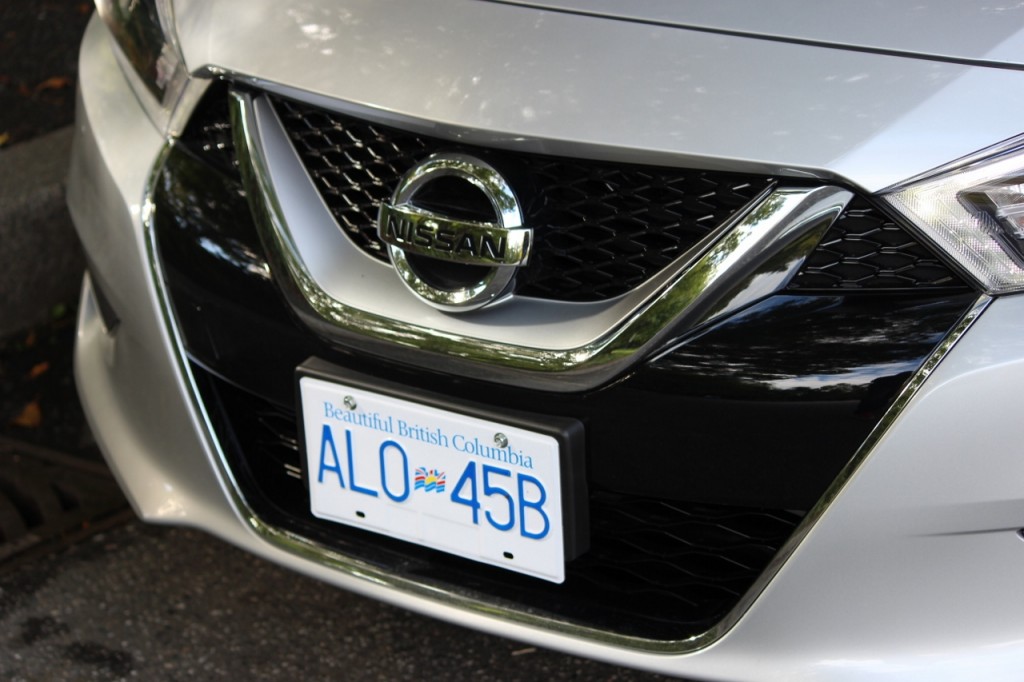
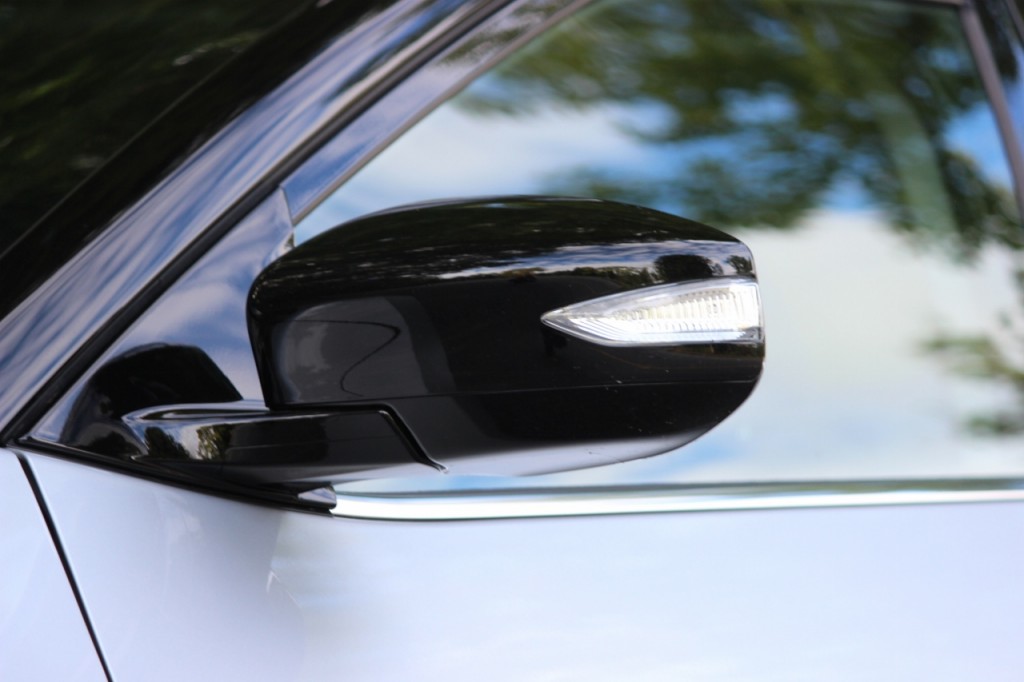
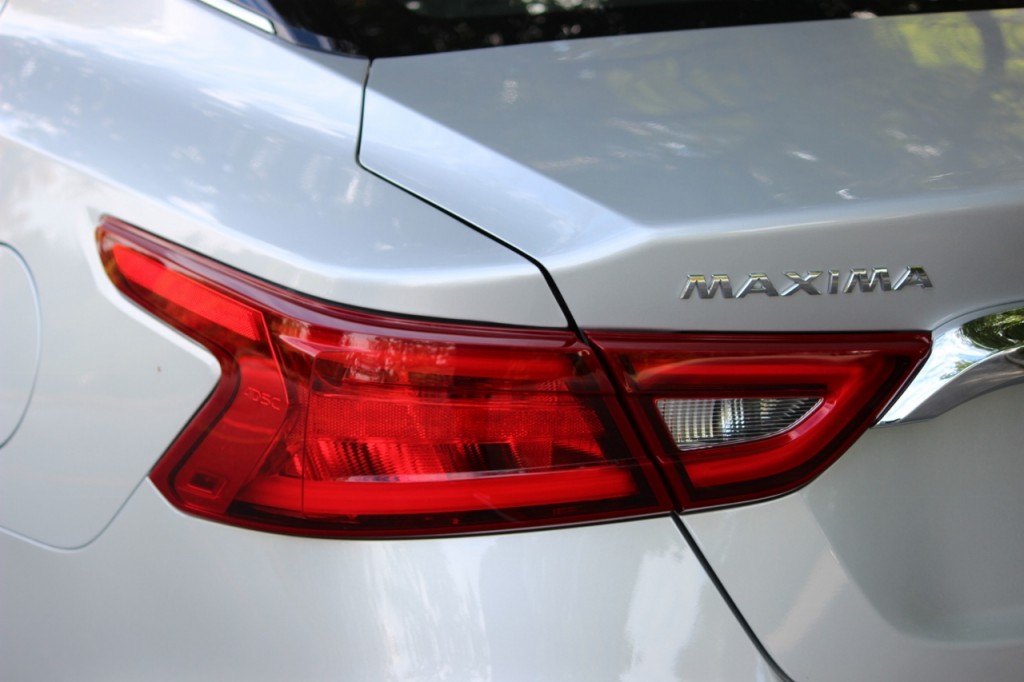
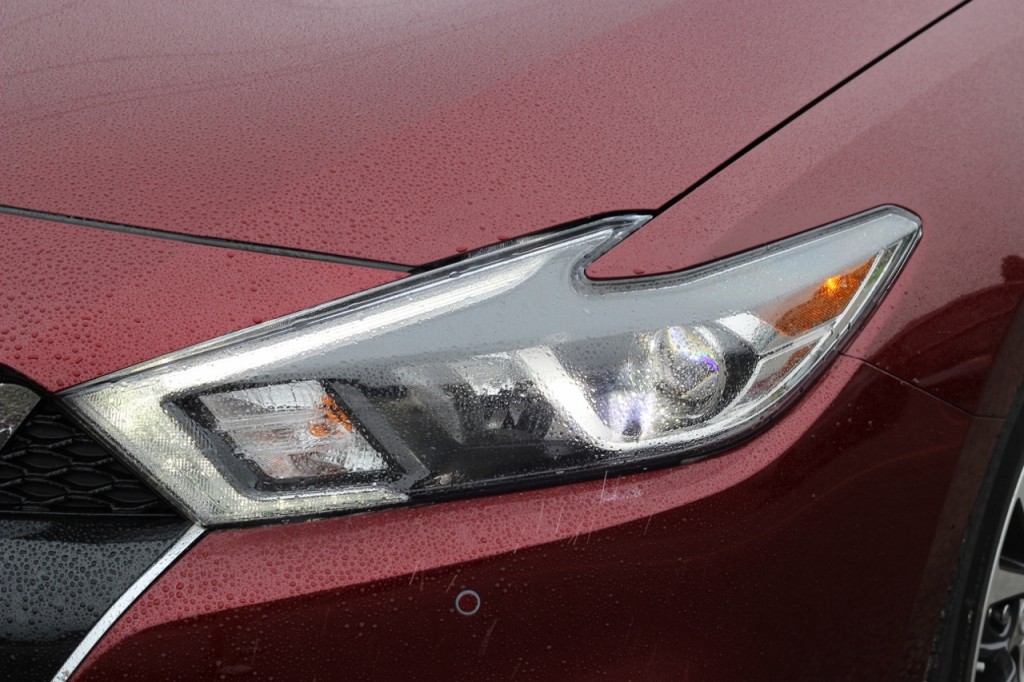
For me, the real highlights are the gaping front grille, 370Z-esque headlight lenses and the way the rear door kicks up toward the high beltline. The Maxima also gets the “floating roof” look that debuted on the 2015 Murano crossover, achieved by blacking-out the C-pillars. It is quite a bit to take, though, and I imagine the more conservative buyers—and believe you me, there are many, many conservative mid-size sedan buyers—would get a little scared off by it.

If Mr. and Mrs. Conservative were to have a look inside, though, they would likely change their tone a little (plus, you don’t see your car when you’re sat in it, right?).
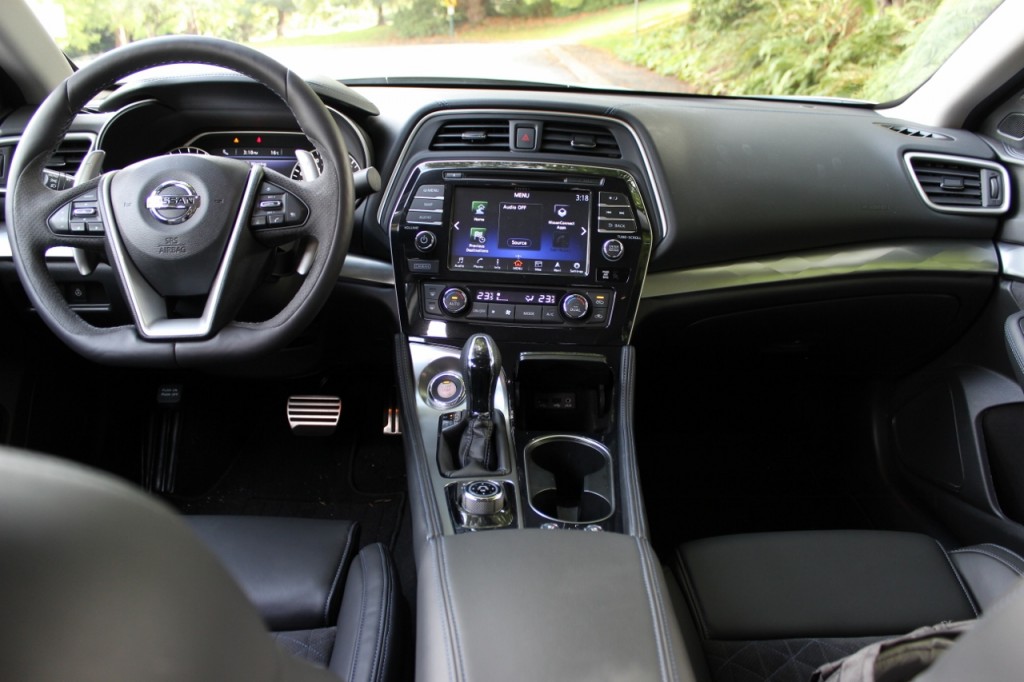
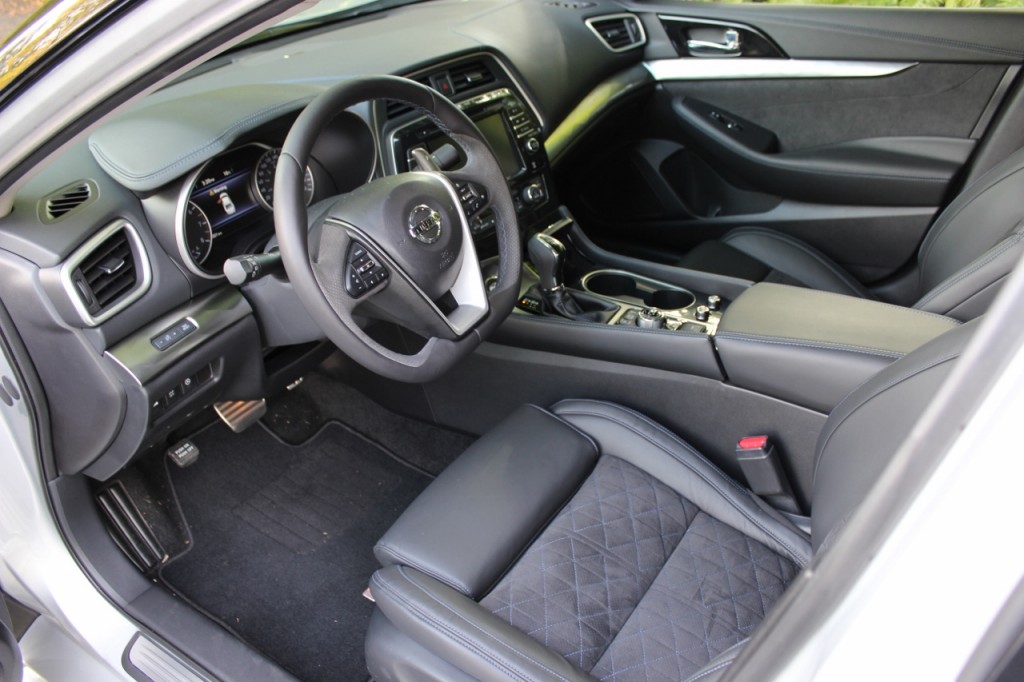
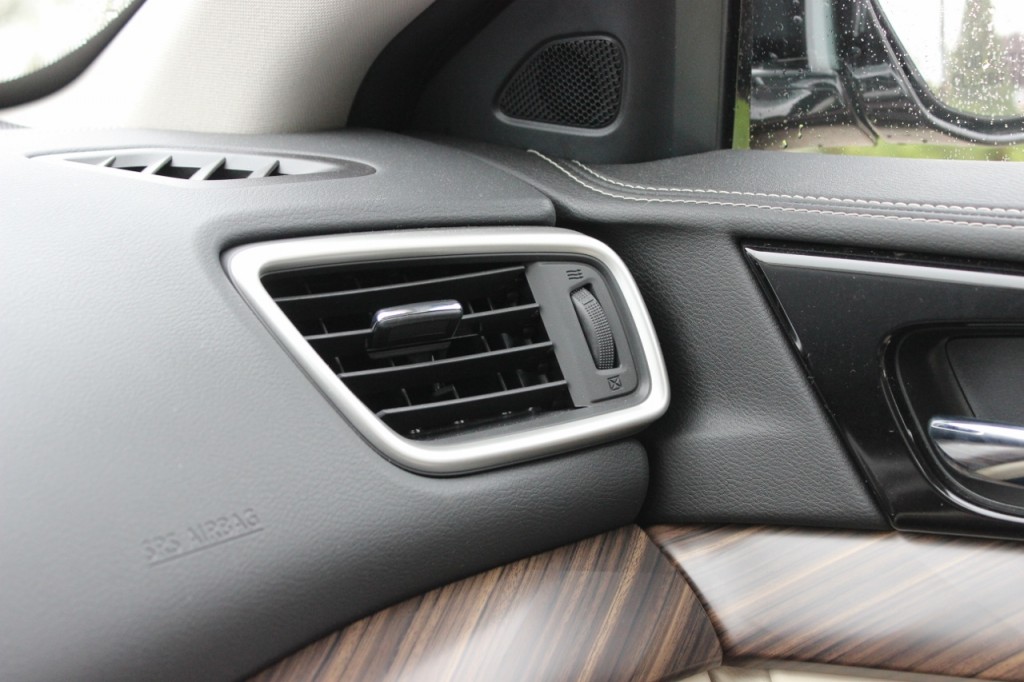
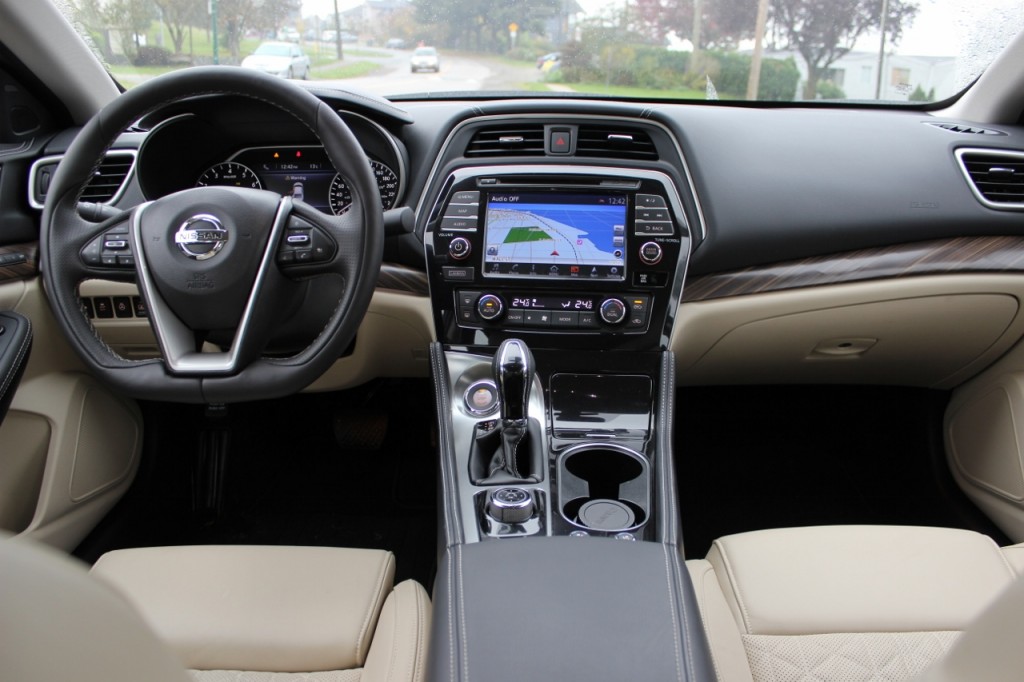
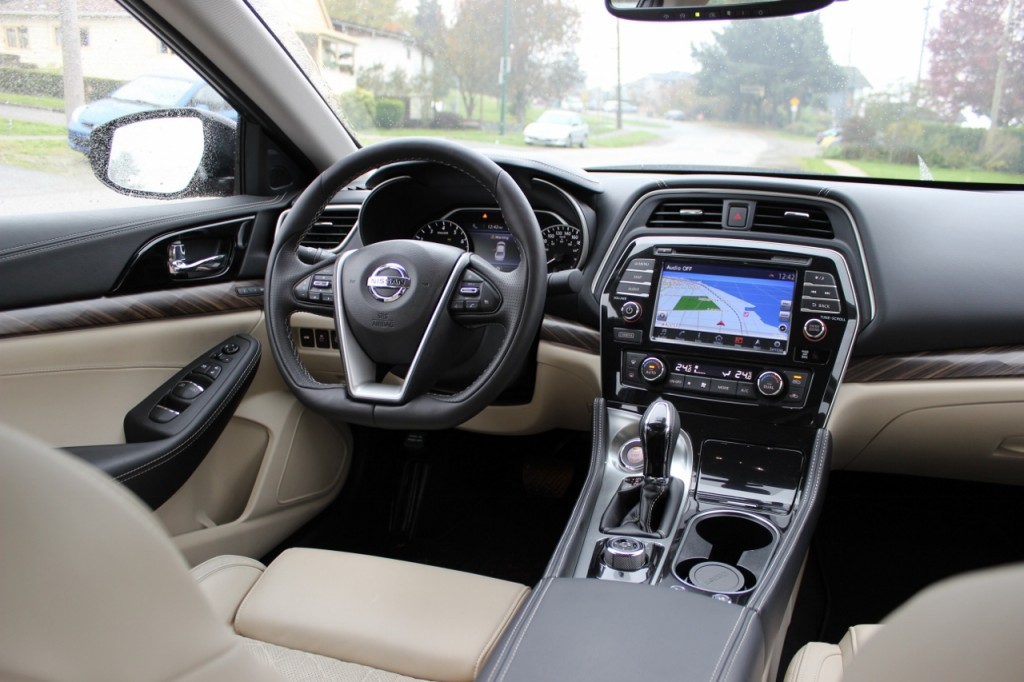
As is the penchant for modern Nissans, the interiors of both these cars are great places to be.
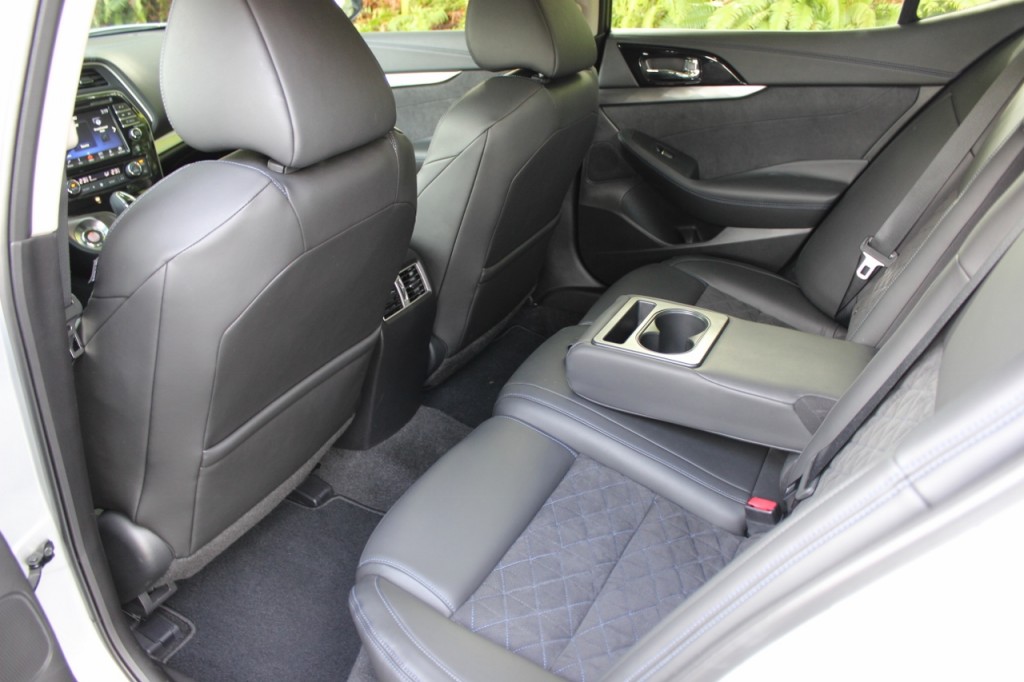
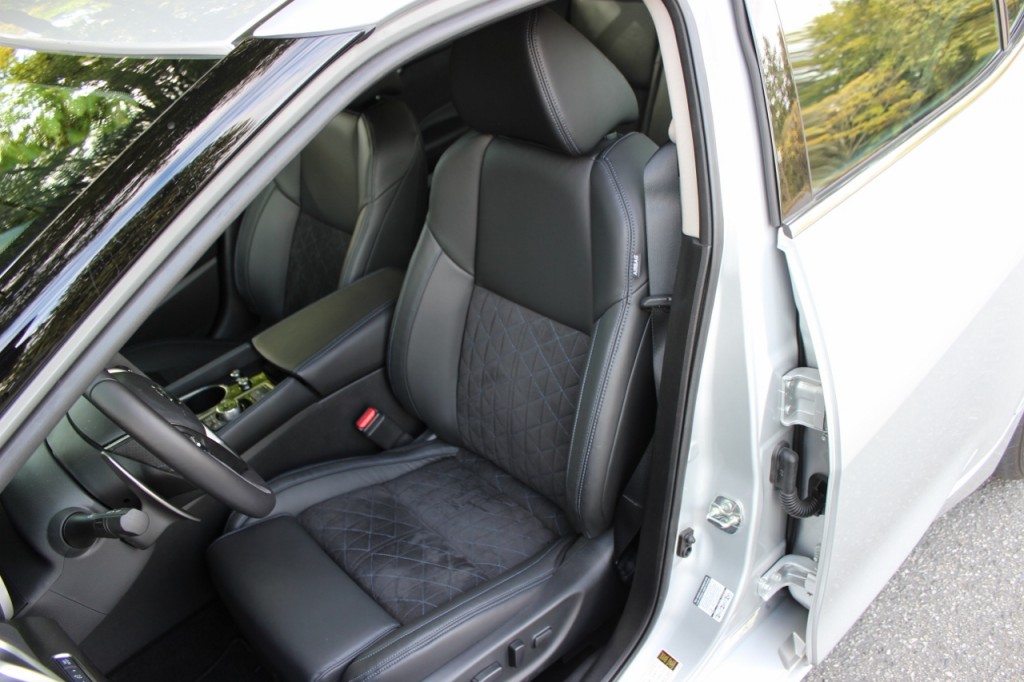
The more sport-oriented SR model gets leather seating with suede inserts, along with some contrasting blue-on-black stitching to up the feeling that you’re in a more performance-oriented machine.
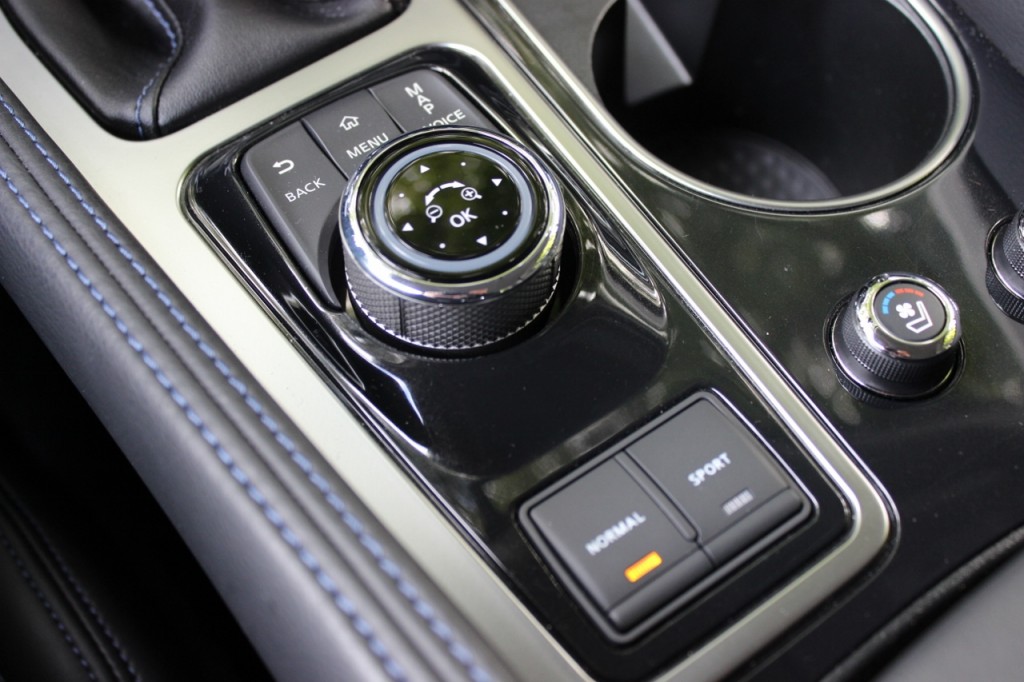
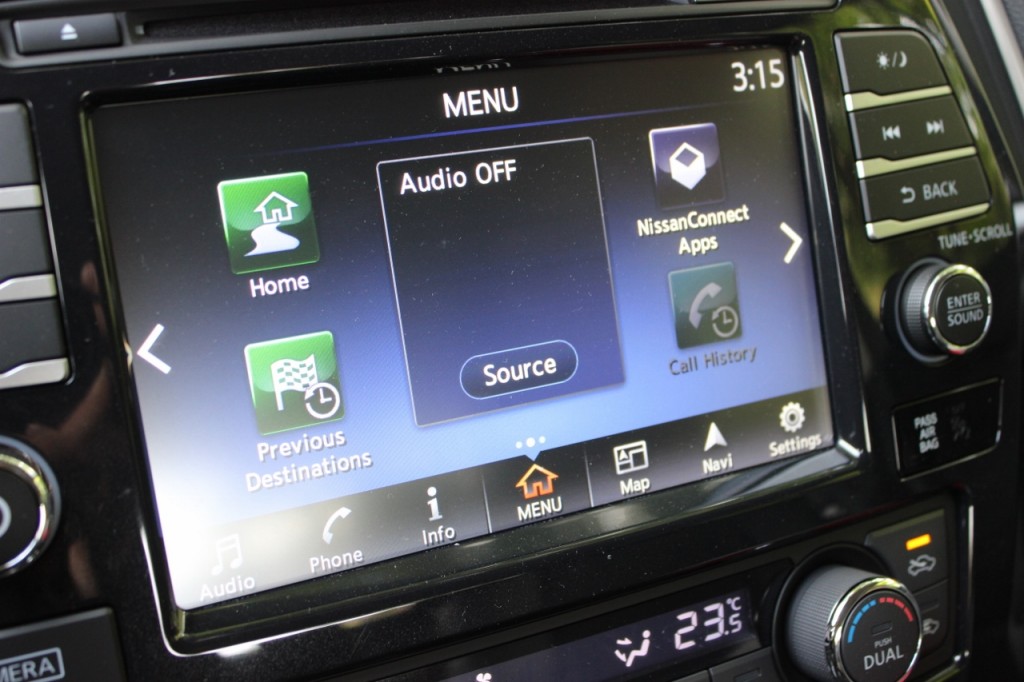
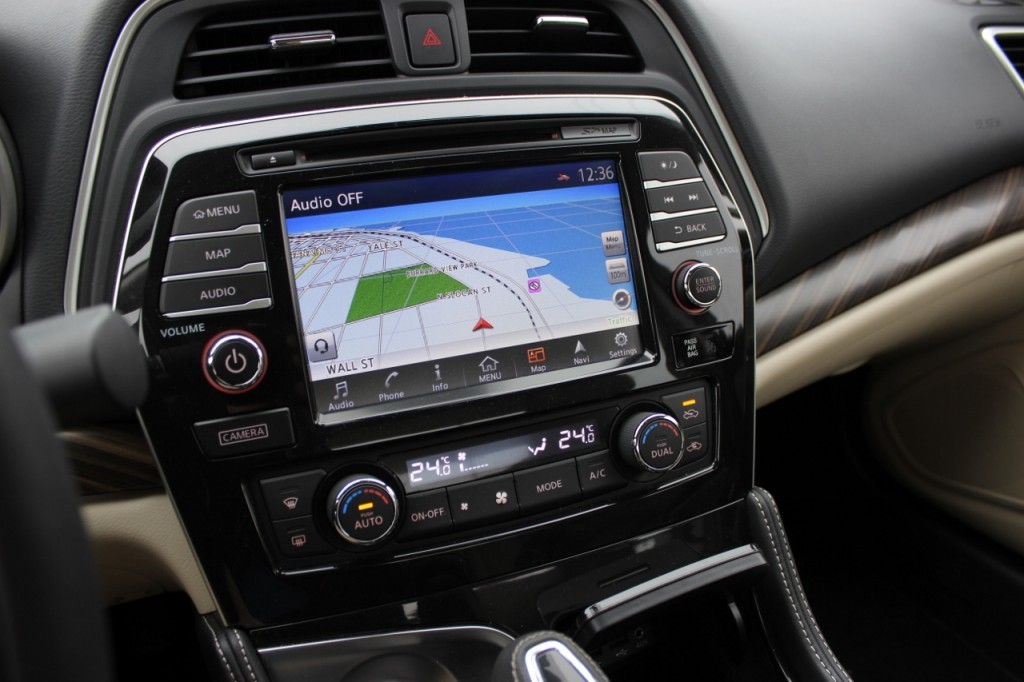
They also both get the latest version of Nissan’s infotainment system, which features a massive 8-inch display, highlighted by sharp graphics, clean fonts and a responsive touch screen that’s easy to navigate. For those who prefer knobs and buttons—those like me—there’s also that, for volume control, climate control and radio tuning. It’s all smoothly integrated into the centre stack, itself finished in piano black. Which is nice, until it gets dusty, of course.
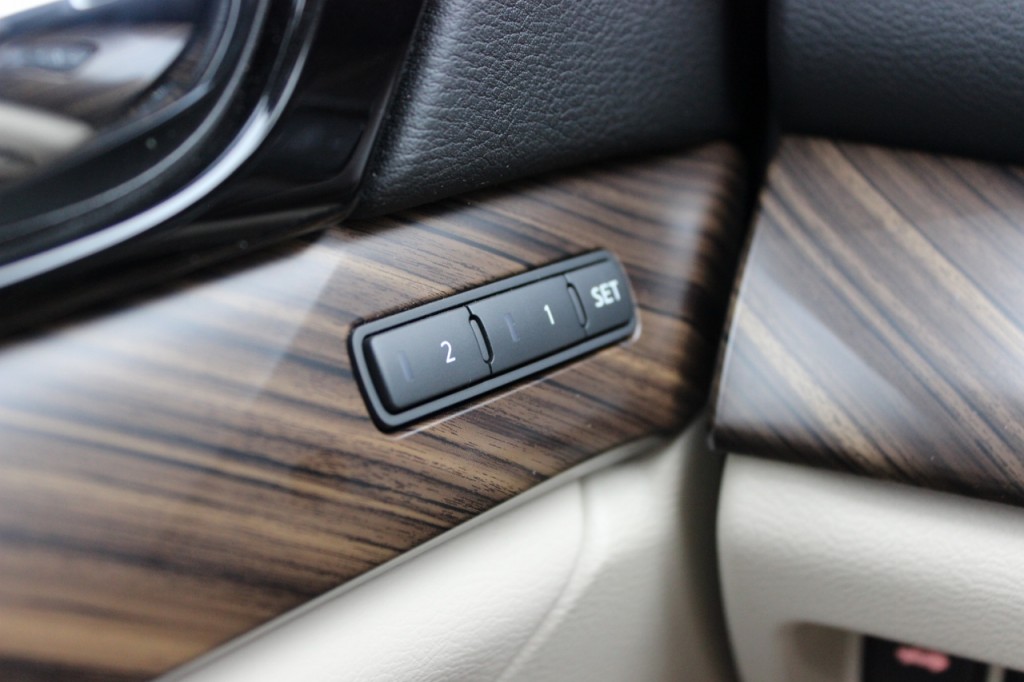
Both cars get the piano black centre stack, but the Platinum eschews the SR’s faux aluminum look for wood instead, which is nice.
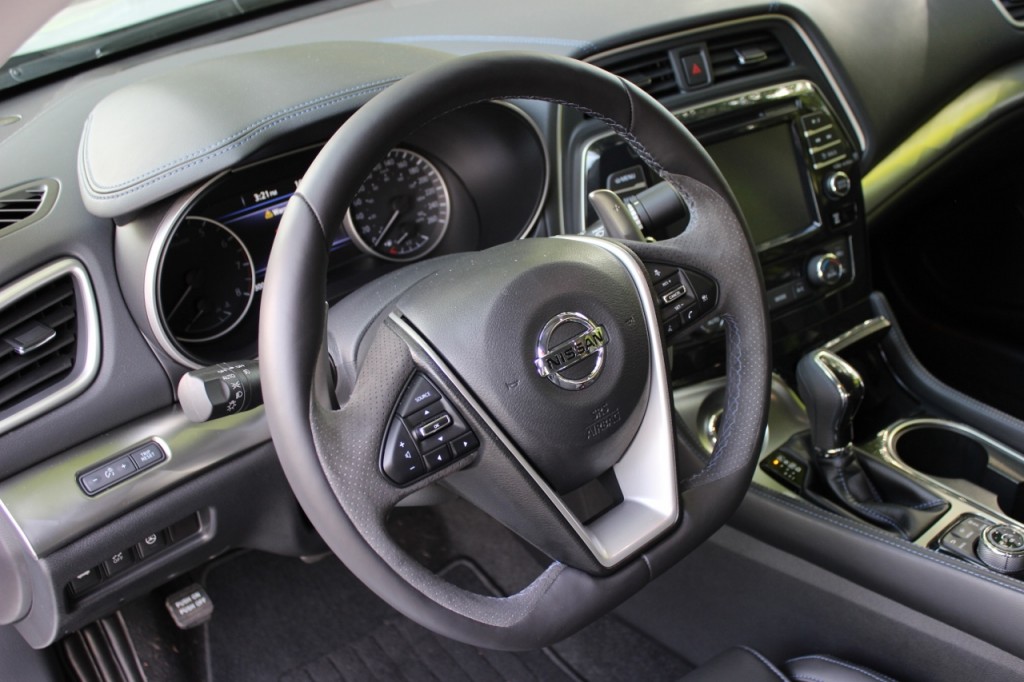
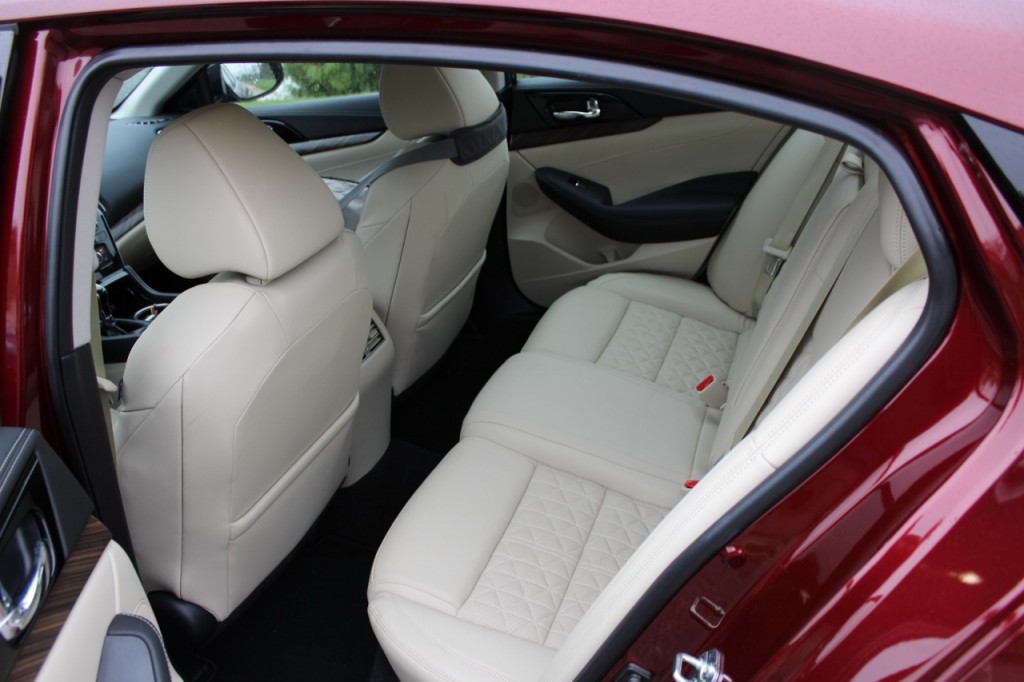
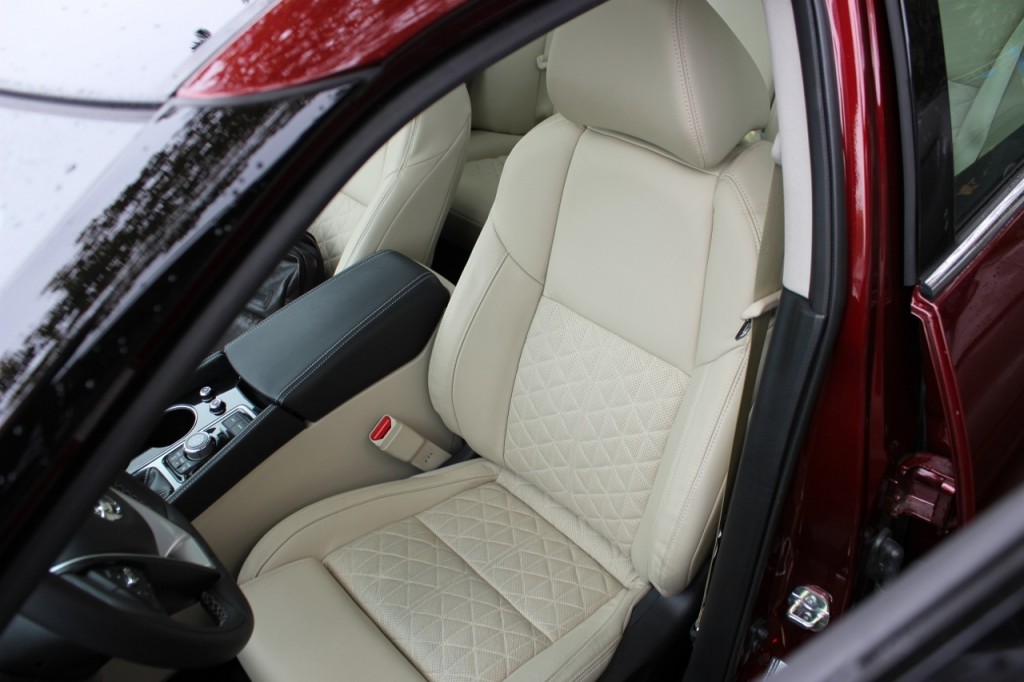
The Platinum model, meanwhile, starts $2,200 more than does the SR, and it adds full-leather seating. Both models get a bit of a quilted look, though, which is a level of luxury found in few other places in the segment. There’s even heated flat-bottomed steering wheels in both cars! Do they need them? I’m not so sure, but it’s cool to have them nonetheless.
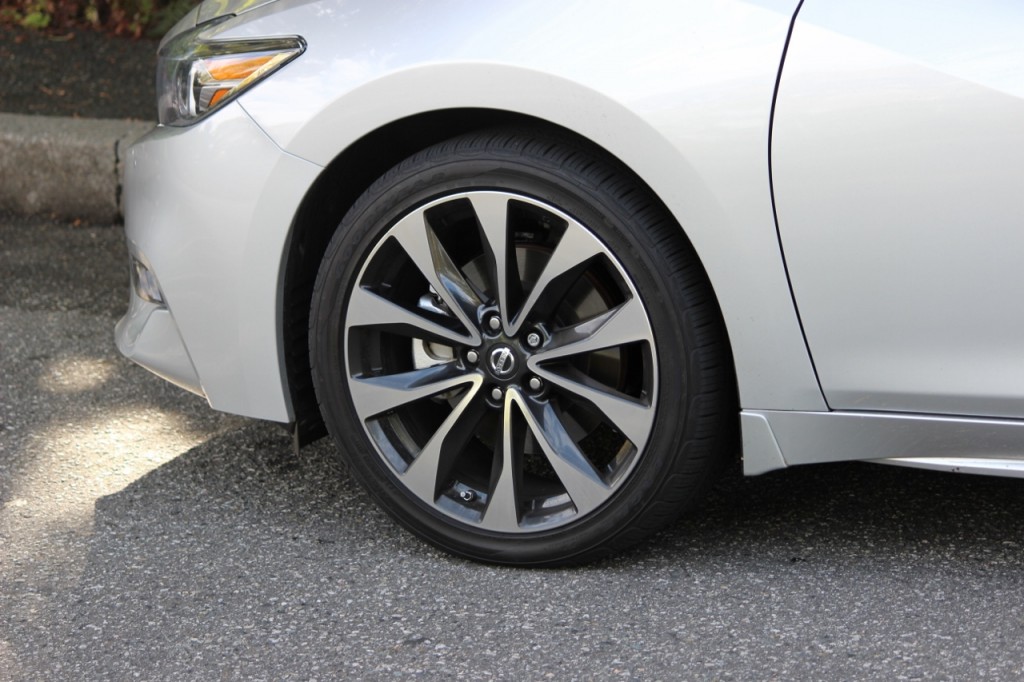
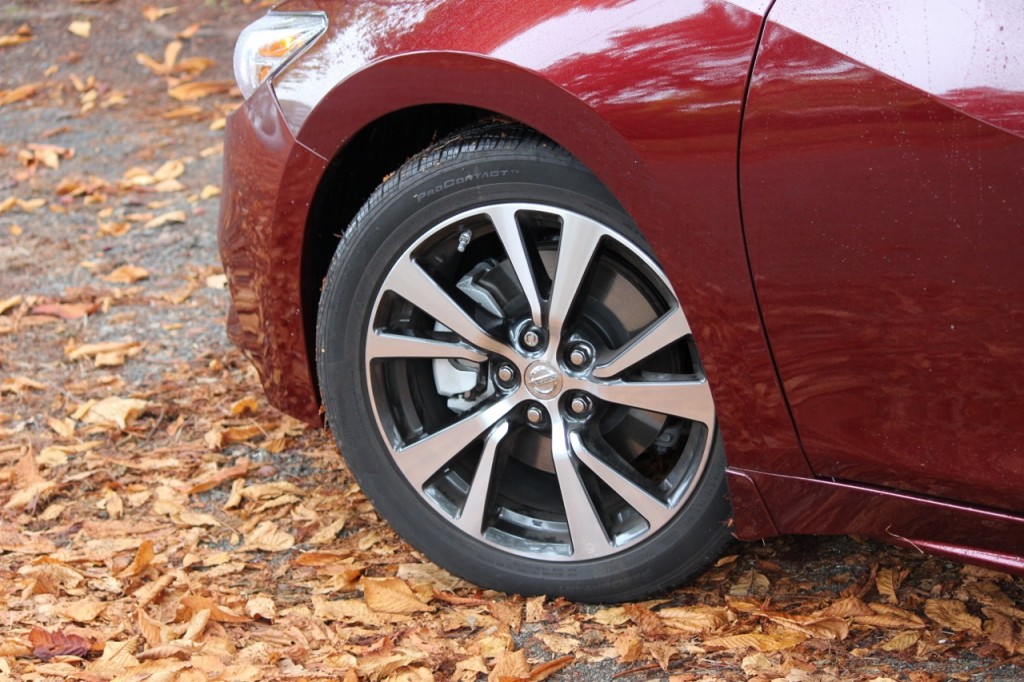
After the leather (and memory seats, and sunroof) there really isn’t much to separate the two on the aesthetic front; in fact, I’d say the SR is almost the more upscale-looking car thanks to the addition of standard 19-inch wheels, where Platinum models have to make do with 18s.

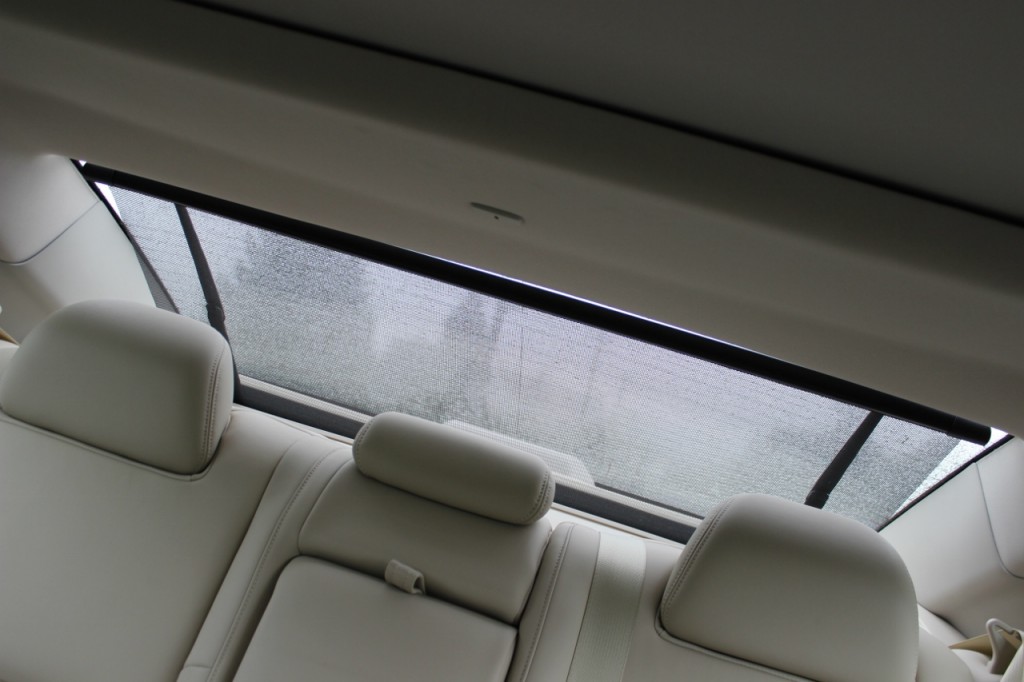
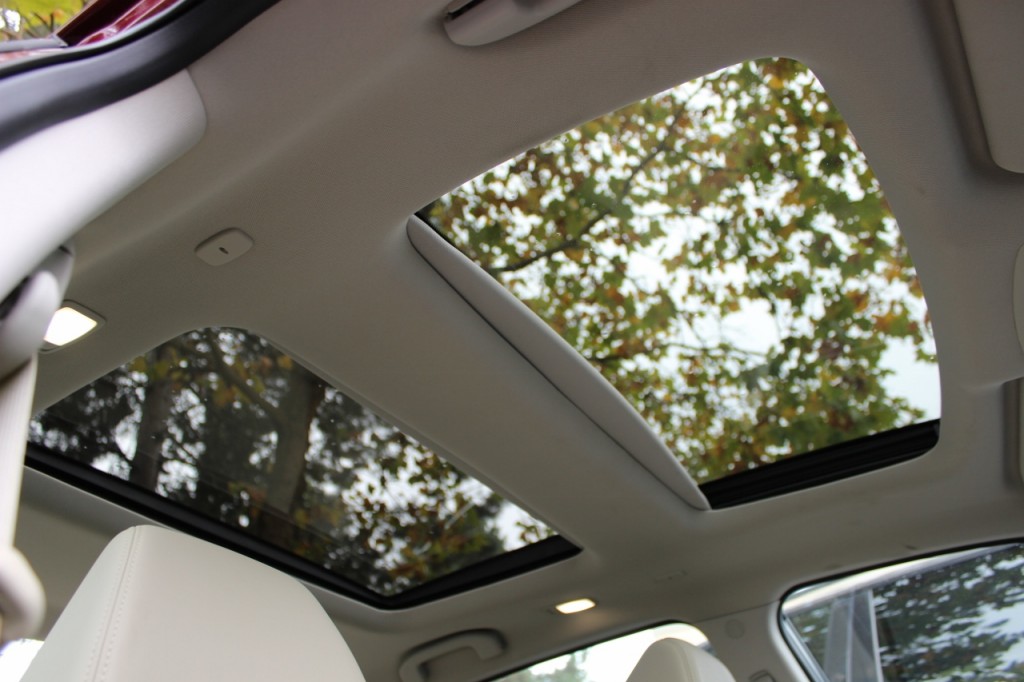
That low roofline will cause a few problems for taller drivers, however; I found the top of the windscreen sat too close to my line of vision. Front seat occupants get 988 millimetres of headroom, which drops to 909 mm in the rear. There’s more in the SR since there’s no moonroof, which is a standard feature on Platinum models.
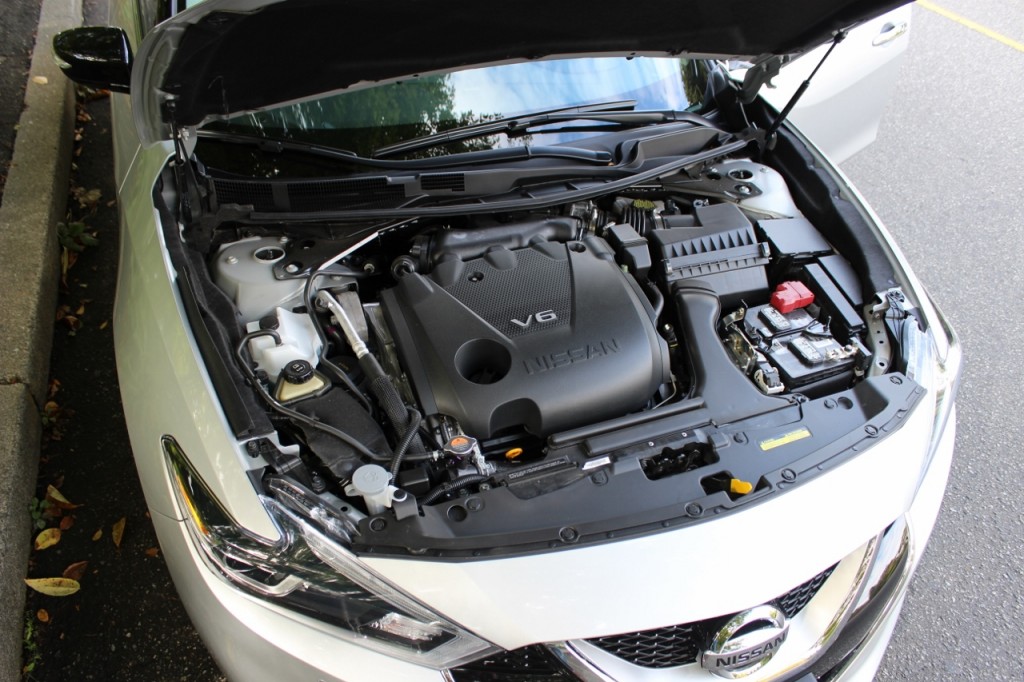
Both cars are powered 3.5-litre V6s, good for 300 horsepower and 261 lb.-ft. of torque. Read that again. THREE HUNDRED HORSEPOWER. No other car in the midsize sedan segment makes that kind of power; even at the luxury level, there are precious few this side of a BMW 535i or Audi A6 that can lay claim to those figures.
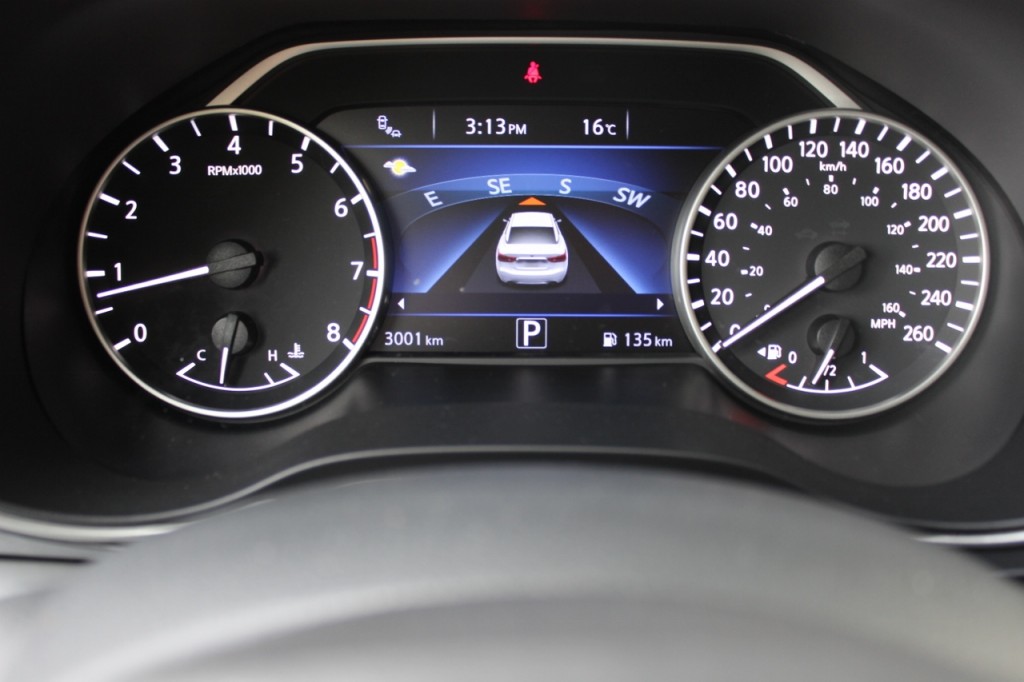
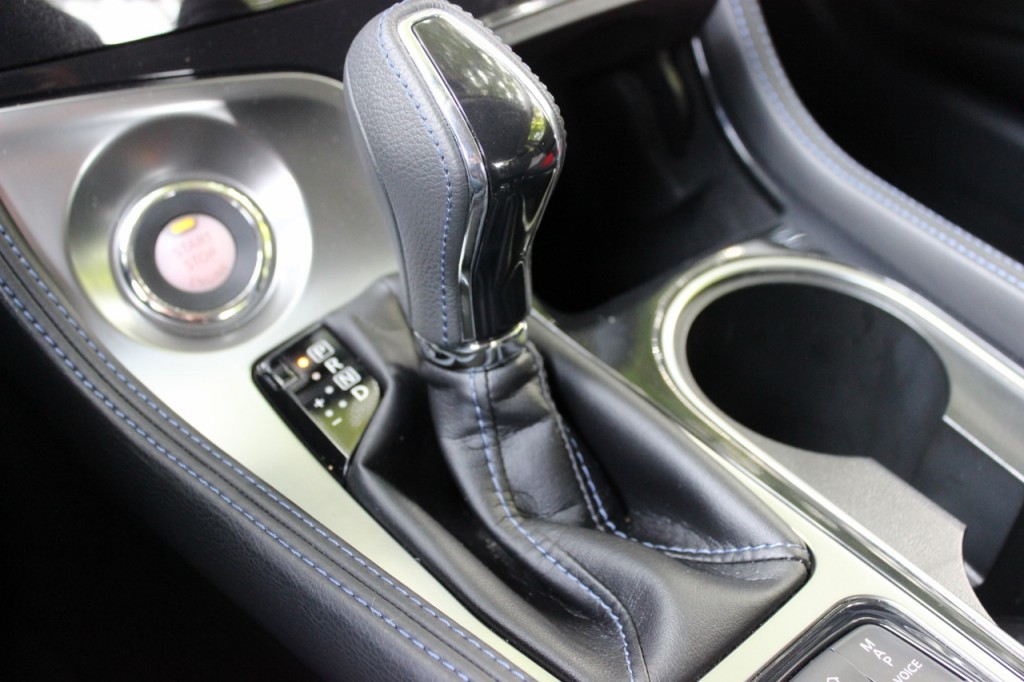
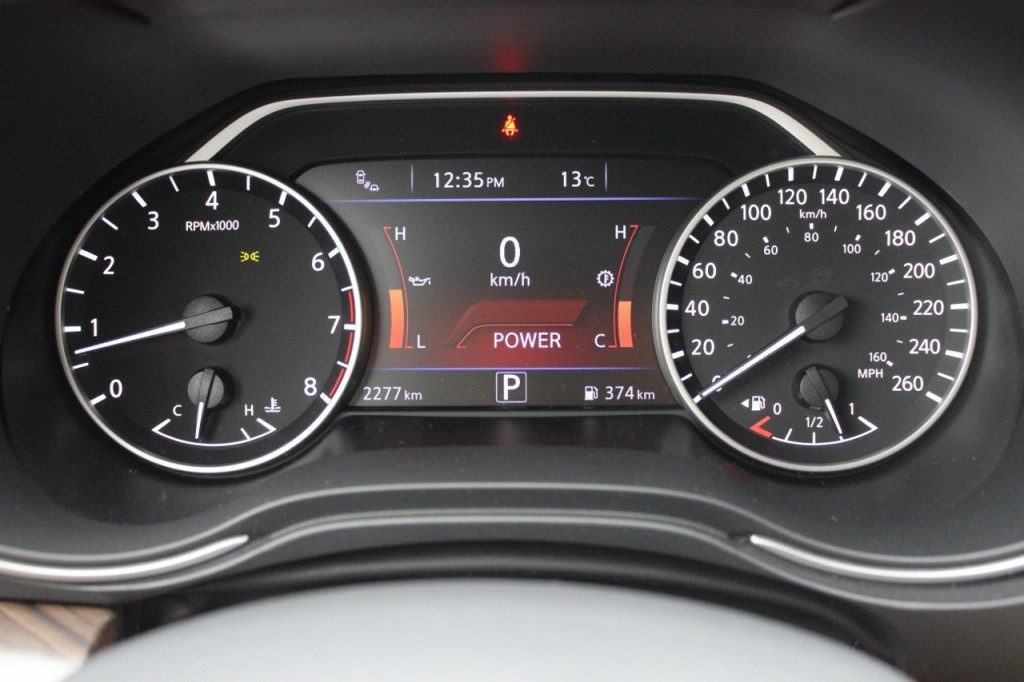
The power makes its presence felt as soon as you slot the continuously-variable transmission (CVT; it’s your only choice) into D and depress the throttle. Peak torque comes at 4,400 r.p.m., peak hp at 6,400 r.p.m. but you can throw all sorts of numbers into the equation; all that matters is just how bloody fast both of these cars feel as soon as the engine gets on boil.
CVTs have their detractors for sure, but one thing they are pretty good at—especially in the context of Nissan’s XTronic CVT, which the brand’s been developing for years—is providing nice, linear power from rest as there are no gears that need to be shuffled, and thus no chance to interrupt power delivery.
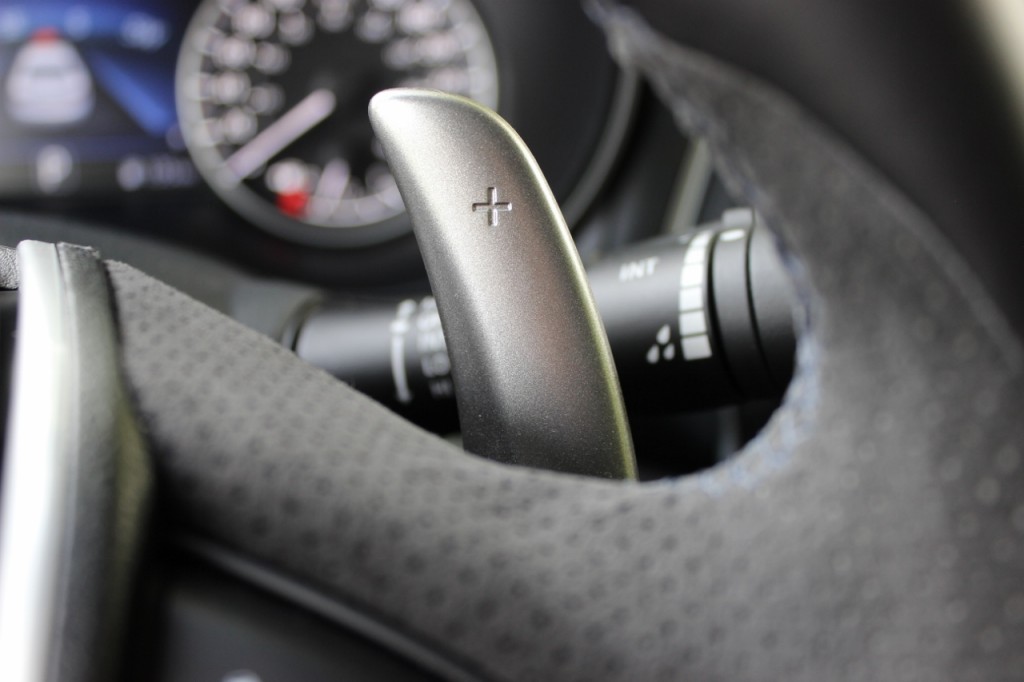
Of course, if you like the sensation of rowing the cogs yourself, well, you can almost get it—in the SR only, mind you–by bumping the shift lever left. That activates the wheel-mounted paddles, which can then be used to swap between pre-set “ratios”. It actually feels like you’re shifting gears, too, which is a nice feature to have.

The Maxima lets you hear about it when you’re wringing it out, too; not only are there twin exhaust outlets, but there’s actually active sound enhancement that brings a more purposeful engine note into the cabin. You know, just like a BMW M5, a car that costs twice as much.
The powertrain was the first aspect of the drive experience that really caught me off-guard, but the handling was not far behind.
It’s in this department that you’ll find the biggest difference—mechanically—between the two cars.
The suspension settings have been specially tuned for the SR to deliver a more involving experience, and boy can you feel it. The ride in both cars is good, but thanks to firmer dampers and thicker stabilizer bars—as well as active engine mounts—there’s noticeably less body roll in the SR and it’s more pointable as a result. Nissan markets the Maxima as a “4 door sports car” and let me tell you, the Maxima fits that bill.
Unfortunately, it’s priced like a sports car, too. The SR starts at $41,400, the Platinum at $43,300, and that’s before any options you may be thinking of adding.
Luckily, there are no option packages and the accessories you can spec are limited to stuff like trunk nets, illuminated kickplates and other knickknacks of that variety. Otherwise, these two are loaded to the hilt, and getting similarly-equipped versions of the Toyota Camry or Honda Accord are going to take a similar budget, and for less involving cars.
If you want a little more sportiness to go with your mid-size—and you’re willing to pay for it—then the Maxima is probably the best answer of the lot. Will that lead to big sales? Likely not, but that shouldn’t be a reason to not give it a chance.