LuxuryCarMagazine En Luxury Car Review and News
The road has a number—it’s B.C. Highway 4, if you’re asking—but I much prefer to call it by its colloquial name: the Island Highway. That’s because it crosses the entirety of Vancouver Island, a land mass the size of some small countries that sits across the Pacific Ocean’s Georgia Strait, right off of Vancouver and a 90-minute ferry ride away. We’d be starting in Vancouver, hopping the ferry out of Horseshoe Bay (about 20 clicks out of downtown), and ending at the picturesque surfing town of Tofino. Which, as it happens, is where Hwy 4 ends, too.

Review Overview
Styling - 7
Driving Pleasure - 8.5
Performance - 9
Driving Comfort - 8
Interior Space - 7
Fuel Economy - 9
Winter - 9.5
8.3
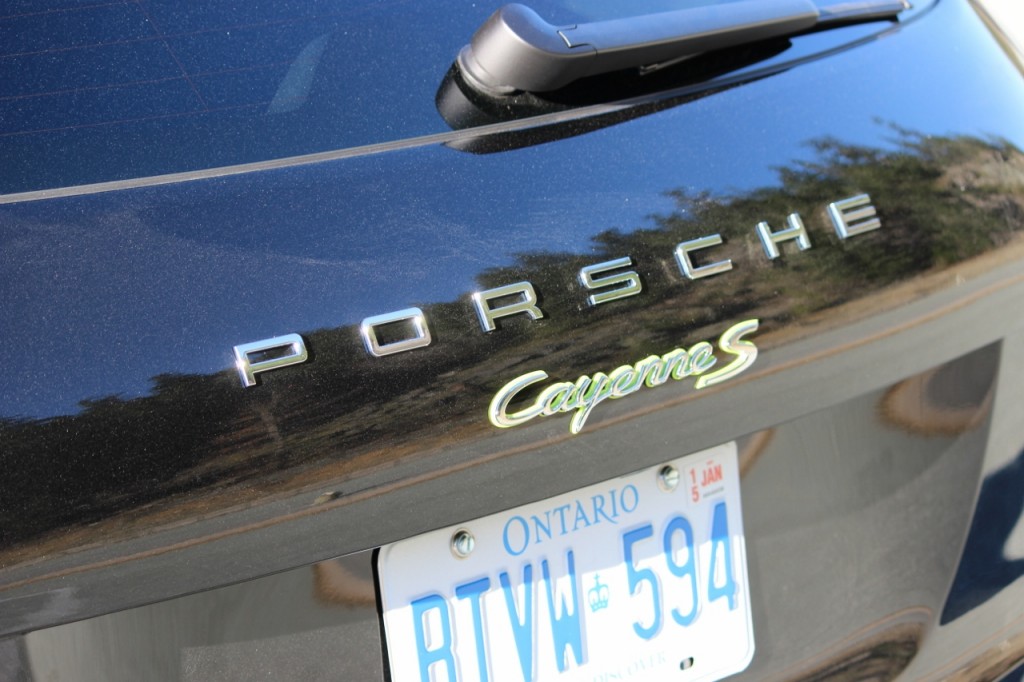
While a sporty SUV like the Cayenne S eHybrid may not be the first vehicle that jumps to mind, well, that’s probably because you haven’t seen the road. It’s a spectacular one, first branching off from highway 19, winding its way along Vancouver Island’s eastern coastline, past three lakes, over hills, through valleys and then the island’s westernmost coastline. There are bends aplenty, and the Cayenne is actually the perfect partner, especially when transporting three adults and their gear, as I was doing.
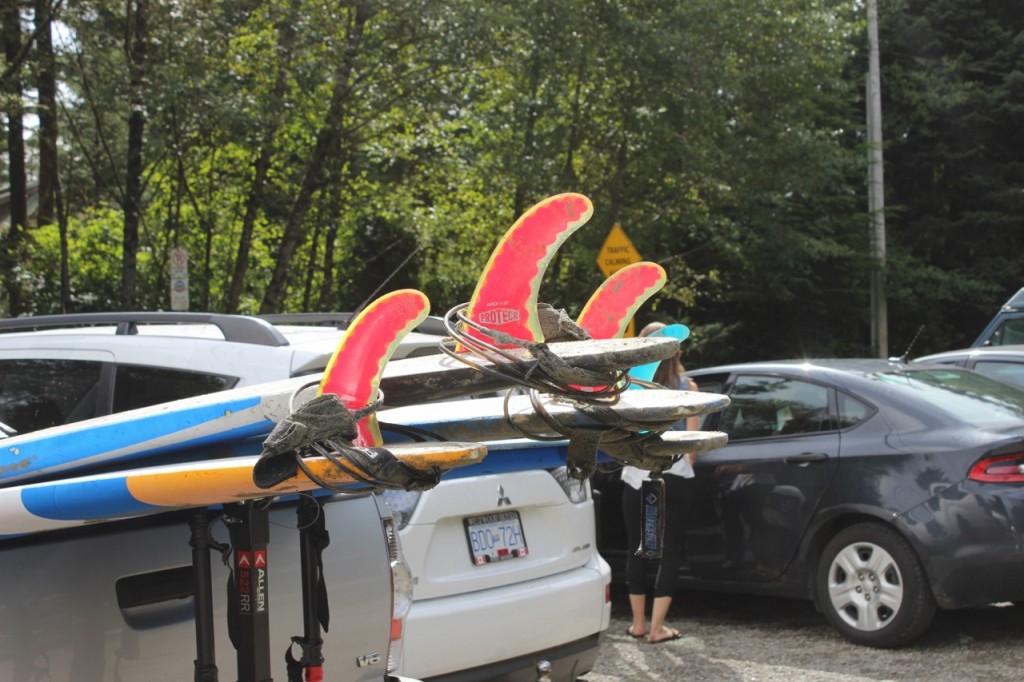
The only real trouble with the car has nothing to do with its performance, not at all; it’s more a storage issue. The Cayenne already has a fairly shallow storage bay to begin with, but since the S eHybrid is a plug-in electric vehicle, you need a place to store the charging kit (if you’re planning on plugging it in, which you don’t necessarily have to do), which sits in a bag that would barely fit an Air Canada carry-on rack. So we’d be losing a bit of cargo room; lucky for us, our friend was transporting the surf boards and wetsuits in his pickup, freeing up some valuable real estate in the Porsche.
So off we set, all ready to hit the waves.
First, though, we had to get on the ferry.
Now, that may not seem like that big of a deal, but you have to understand something about the B.C. ferry system: it’s a bit of an act of trial and error. Ferries leave at scheduled times, but there’s no guarantee that you’ll get on the one you’re shooting for, unless you have a reservation. And if you do have a reservation, you can also arrive early and attempt to board an earlier boat (they run every two hours or so), but that’s no lock. What ends up happening is you arrive at the gate (theoretically) in time for the earlier boat, but if you miss it, then you risk there for two hours as you wait for your reserved boat to arrive.

I can’t explain it—there’s probably a psychologist out there who could—but there’s a lot of anxiety associated with catching that earlier ship. Maybe it’s because they can’t even tell you at the drive-thru ticket booth which boat you’ll be getting on. Maybe it’s some weird fear that you’ll get stuck in some transportation purgatory and never know if you’ll ever leave (for some reason, the fact you have a reso doesn’t seem to matter when you’re sitting in a dark-coloured car on baked tarmac in late August), or maybe it’s just a case of classic FoMo (Fear of Missing Out), that something good’s going to be happening on the other side, but only if you catch the earlier boat. It comes to the point where you’re going “I’m catching this thing, and that’s all there is to it.”
So the minutes ticked by. The cars in the lane beside us got on. We could see the vehicle deck; lots of room left. Then the cars on the other side of us (there’s less rhyme or reason here than there is at the certifiably bonkers international gate at Rome Fiumicino, believe me). Less space now. Then it was our turn…but wait! They’re turning us around!!! Why? Why? WHY? So now we’re heading in the wrong direction, away from the boat…but now they’re turning us back around! We’re going to the top deck! In the end—and this is not an exaggeration—we were the second-to-last car to get on. Second-to-last. Forget surfing; that’s the real thrill!
Good thing that the ferry ride itself is such a relaxing one. The Georgia Strait is certifiably gorgeous; an archipelago sits here, and seeing these tiny islands—some with inhabitants, some not—glide by with the great wide open behind them is a spectacular sight that any visitor to this side of Canada needs to experience. If you’re lucky, you may even get to experience a whale sighting. We wouldn’t on this trip, but be sure to keep your eye out if you ever make the crossing.
The ferry drops you off in the small town of Nanaimo (yes, that’s where the desert bar gets its name from), which, other than being the urban centre of this part of the island, isn’t really anything to write home about.
However, if you wish, Parksville is just down the road, and it’s home to a stable of attractions, from touristy stuff like mini golf, to a number of gorgeous walks both in lush forest and on sandy beaches. It’s a great place for a weekend retreat.
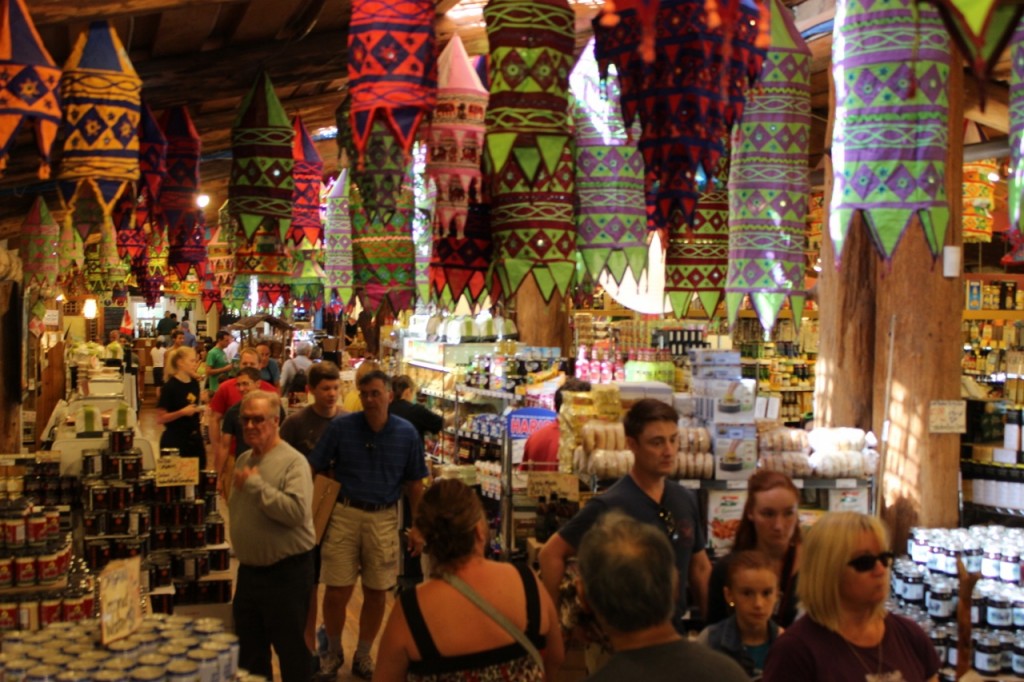
We wouldn’t be making it that far, however; we got onto the 4 as quickly as possible, because we wanted to make it to Coombs Country market, in the town of the same name, about 30 mins inland.
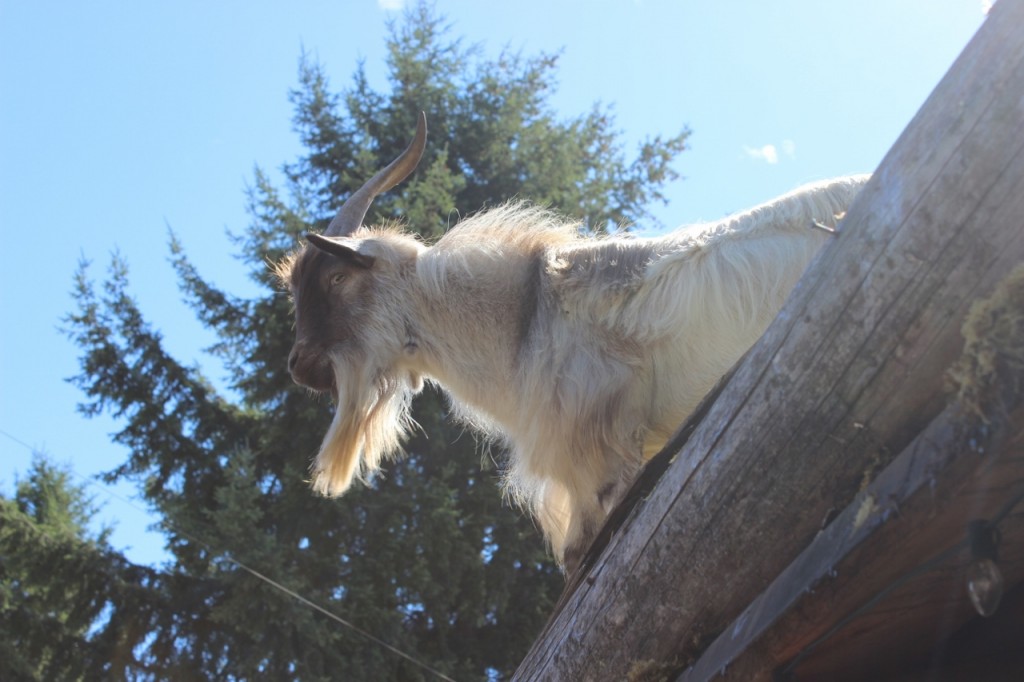
It may not sound like much, but the Market is home not only to an eatery filled with good ol’ fashioned home cooking, but also a bustling retail infrastructure covering everything from pinwheels, to saltwater taffee, to fudge and groceries. It’s a great way to fuel up before a drive like ours. Oh, and that grassy-roof? It’s like that because goats—real, live goats—are actually grazing up there. No joke.
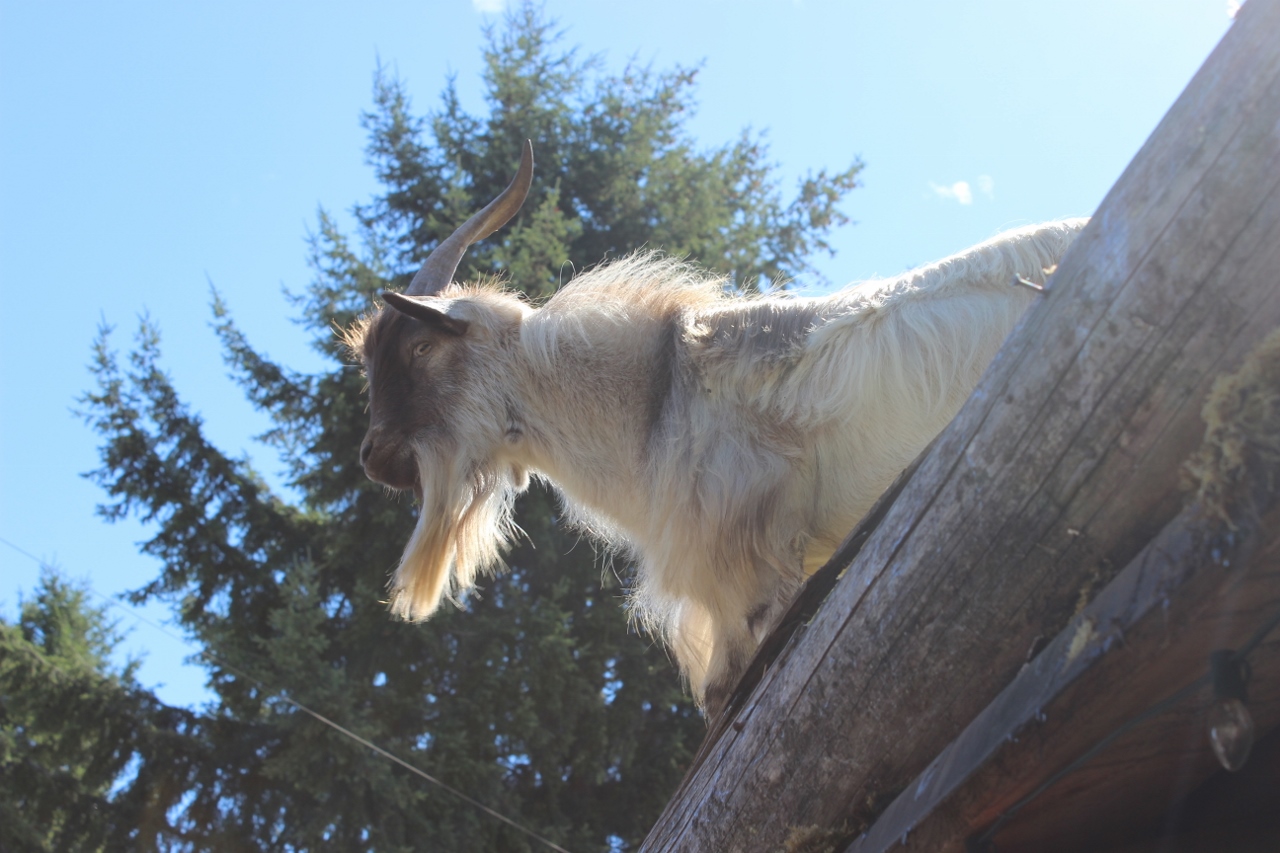
Not too far down the road from Coombs came our next stop—and almost our last before our final destination—Cathedral Grove, in the heart of MacMillan Provincial Park.
Cathedral Grove is a section of protected old-growth forest that features some of the tallest trees you’ll see this side of the giant Sequoias down the U.S. Coastal Highway, and they are spectacular sights. At 250 ft., the tallest tree in the area—a Douglas Fir, aptly named “The Big Tree”—stands taller than the Leaning Tower of Pisa; just be sure to bring a nice, wide lens if you hope to capture the whole thing.
The mostly circuitous walking route takes you on both sides of the highway, and the whole thing can be completed in about a half hour. It’s well-worth the time; just be sure to stay on the clearly marked trails as this is a very sensitive area.
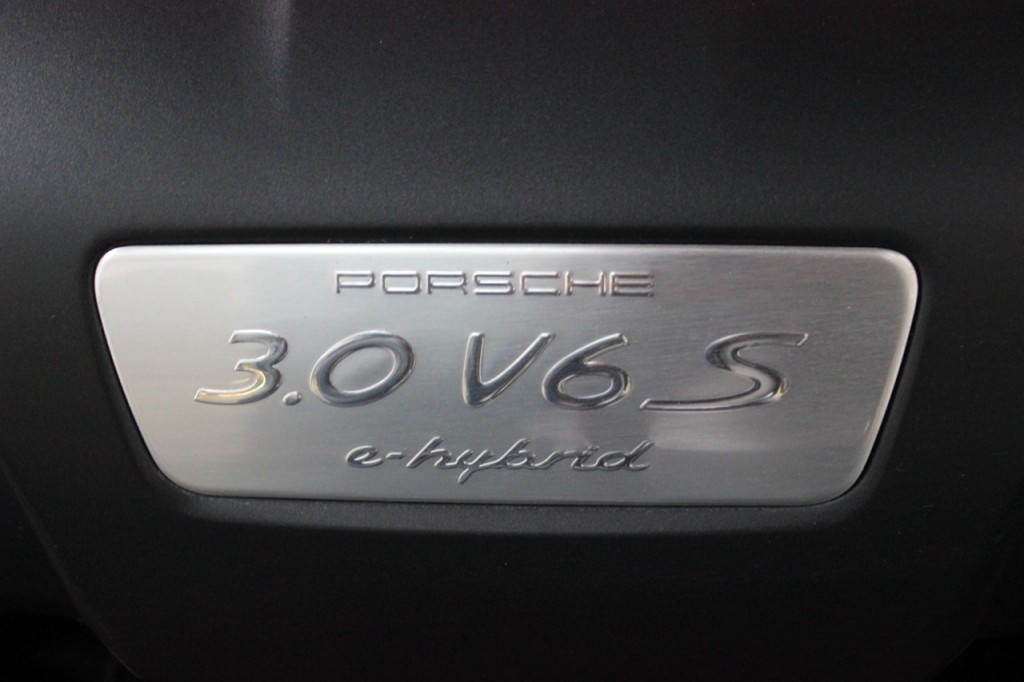
The road after Cathedral Grove is where the Cayenne really starts to come into its element. Power from the twin-supercharged V6 is rated at 333 horsepower and 325 lb.-ft. of torque. Those figures, of course, are boosted by the addition of an e-motor that makes 95 hp and 229 lb.-ft. of its own, for an all-systems-go total of 416 hp and 435 lb.-ft. Yes, the addition of the hybrid system does add a few pounds, but this car is no slouch—far from it.
Throughout our undulating journey, there wasn’t a straight log enough to ever really challenge the Cayenne, which is no small solace when you’re passing RVs and trucks (the 4 is an artery, after all) on passing lanes that are less than a kilometer long. It even sounds good; Sport mode opens the exhaust note up, which is something you can do on your own, even when in Normal mode.

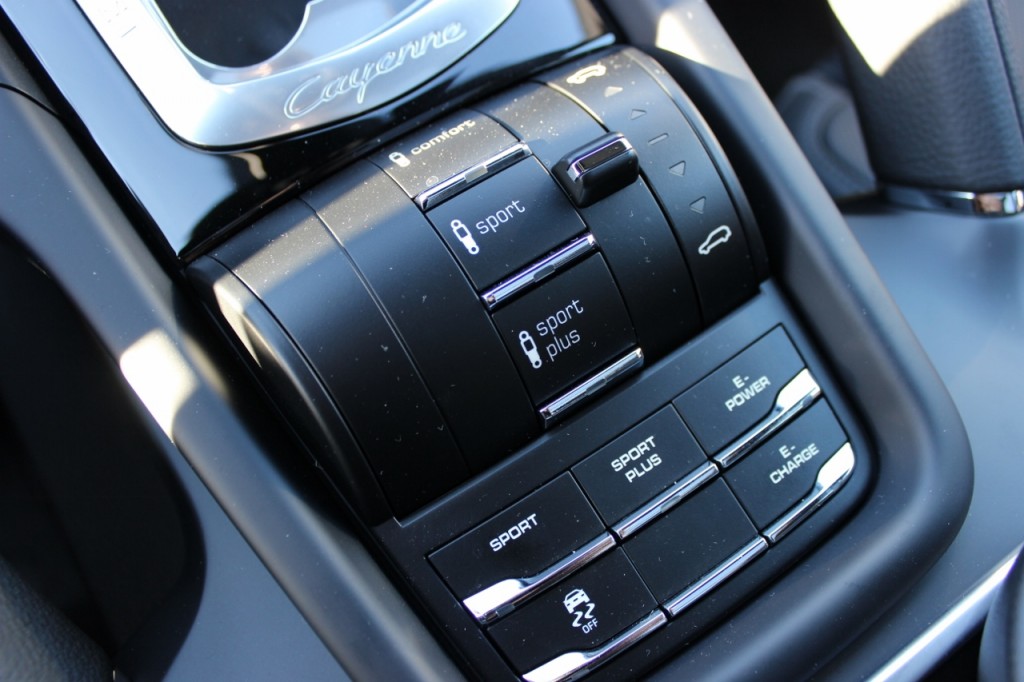
Two drive modes—Normal, and Sport—are offered as well as modifiable dampers, which come with two settings of their own.
I kept both the dampers and transmission in “Sport” mode for almost the entire journey—a road like this simply requires it.
Suspension dynamics are one thing, but it’s kind of all for naught if you don’t have a steering rack to match Luckily, in the Cayenne, that’s hardly a problem—the feel through the newly-fashioned steering wheel (it borrows its design from that other hybrid in Stuttgart’s stable: the 918 supercar) is good even with electronically-boosted power steering. Yes, a hydro set-up would be better, but not only is that at-odds with the Hybrid’s fuel-saving and efficiency side, it’s just not something you see in the car world so much these days. It’s unlikely to make a return any time soon, either.
Power is fed to all four wheels via a traditional 8-speed automatic (Porsche’s dual-clutch system is not available here), and it can be manipulated via column-mounted shifters. Again, considering the winding road and the tight passing manouevres we were undertaking (and the added weight of our load, human and otherwise) made the paddles especially handy. Plus, it’s just so much more fun to use them, y’know? Oh, and lest we forget that there’s nothing quite like waking up a slumbering passenger by activating the paddles, dropping a cog or two (or three—it is an 8-speeder, after all) and lettin’ her rip. Take that, you antisocial sleepy heads.
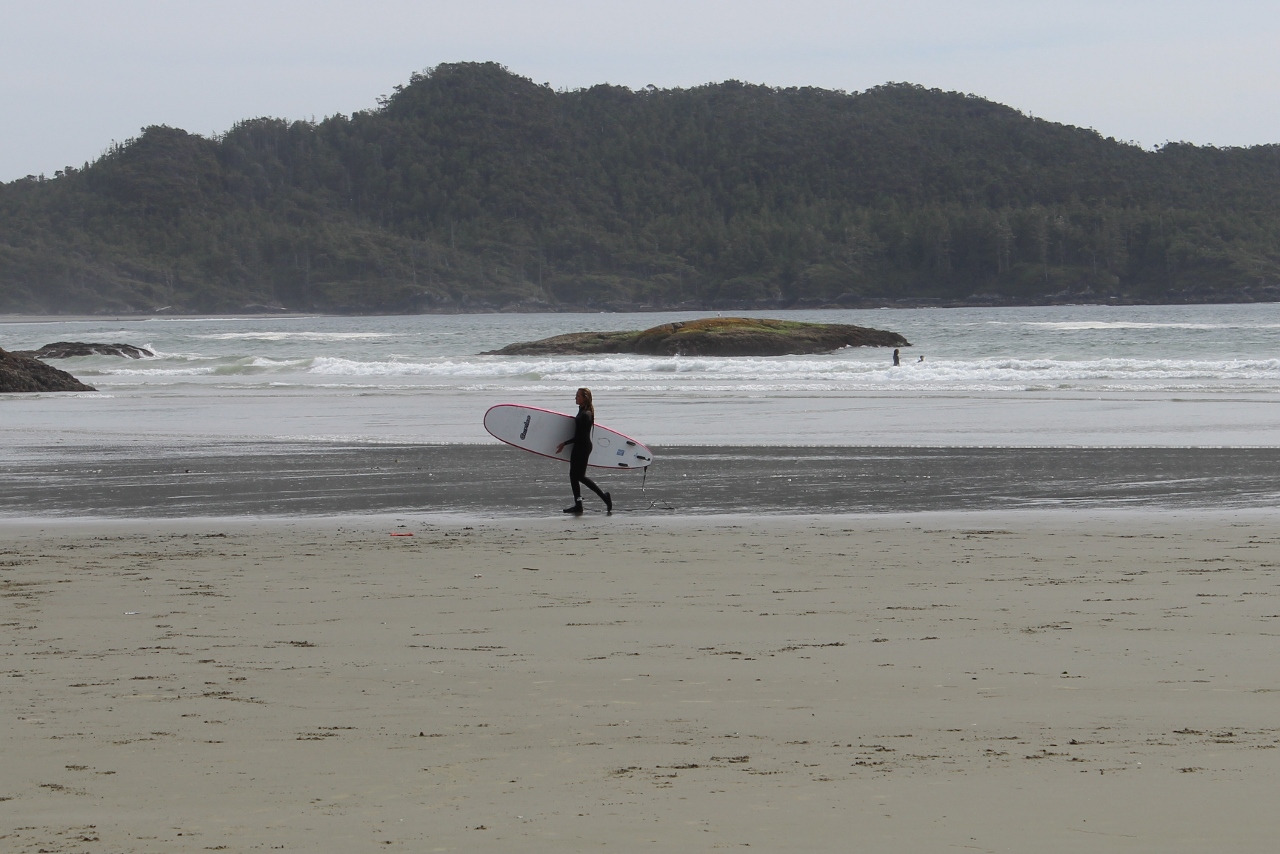 After Cathedral, it’s pretty much a straight shot to our final destination in Tofino; yes, there’s a stop in the small town of Port Alberni along the way, but you want to get through that town as quickly as possible (we did need to make a quick supply stop at Wal-Mart—that is all) because the road from there continues the spectacular theme seen earlier in the trip, but for slightly different reasons.
While it’s not quite as windy as it was prior, and it doesn’t change elevations quite as often, we are now on the western side of the island, meaning that once again, the ocean beckons as we make our way forward. Only this time, there are no islands out at sea; the Ocean is wide open, and the next plot of land you’re going to run across if you head due west from here is Japan.
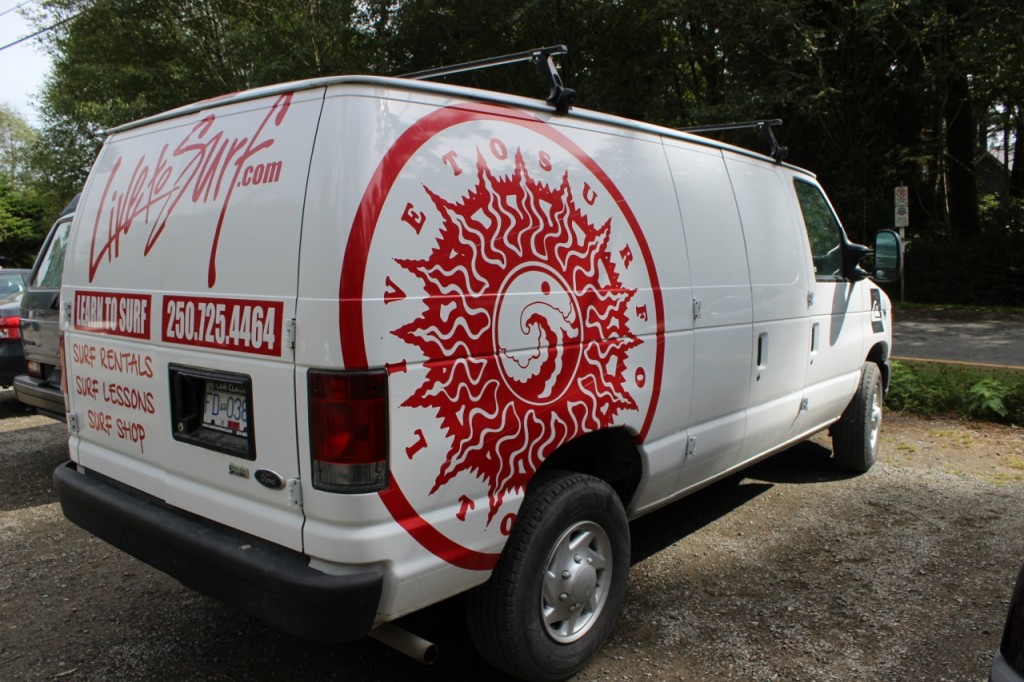
It’s this wide-open ocean that makes the world class surf possible. Assuming, of course, you’re prepared to brave the near-freezing water (wetsuits are required) to tackle the chop. Of course, thousands flock here every year to do so (year-round; the high season is actually in November-December), as evidenced by the dozens of surf shops you pass as you drive your way into Tofino.
The town itself is pretty much the epitome of a surf town/holiday destination; there are no chain restaurants, no chain gas stations and the only recognizable corporate logo you’re going to see is on the CIBC bank sign, which is actually off of the town’s main drag.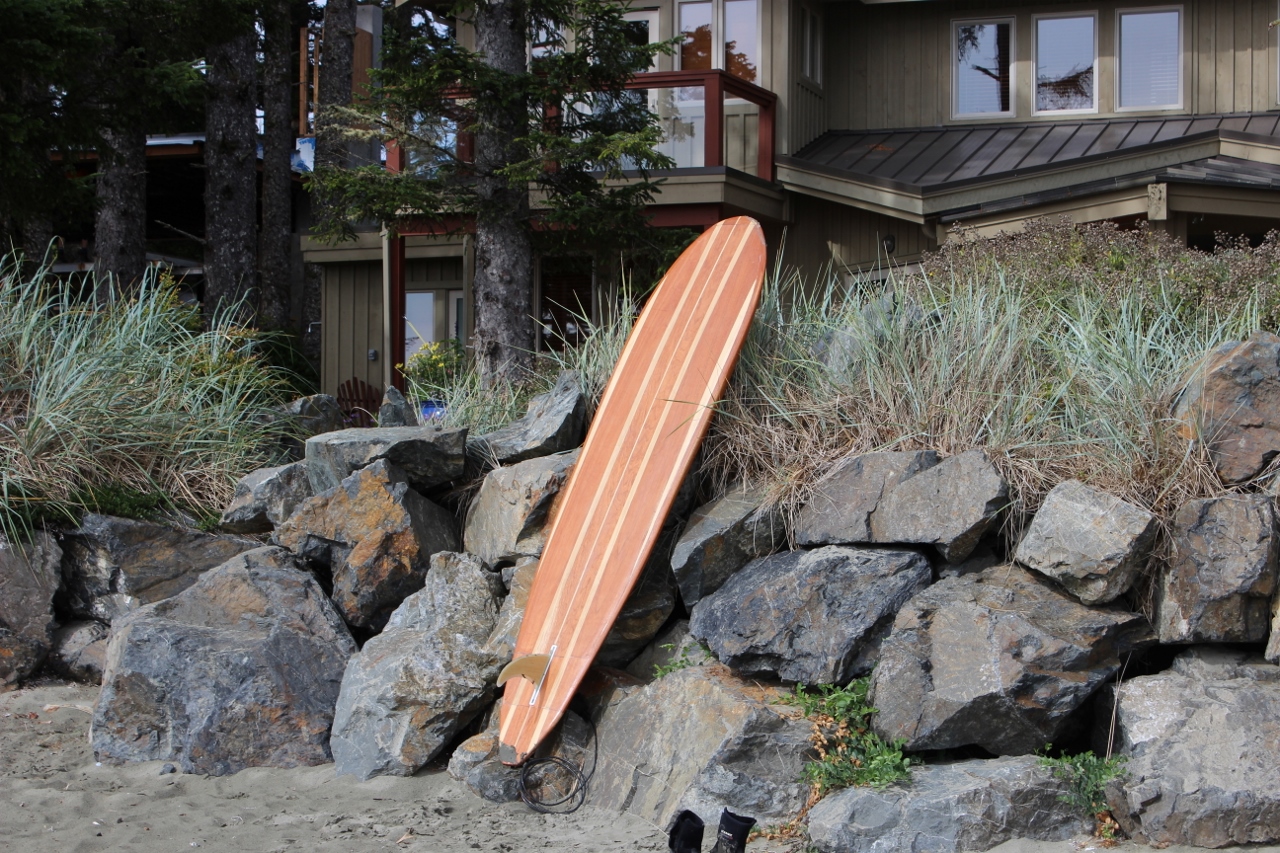
It’s not that it’s uninhabited; condos and bed and breakfasts climb the hill to your left, while quaint beach houses dot the eastern side of town. You do feel, however, just how fresh everything is, somehow free of corporate logos, like Tofino exists in some kind of vacuum, a little separate from the rest of the world. It’s almost surreal; bikes equipped with surfboard racks, restaurants with names like “Way West”, and mobile homes and campers—parked right there in the beach parking lot, in permanent fashion—mixing with five-star hotels and microbreweries. It’s not hard to see how many arrive here—from across Canada and beyond—and never leave.
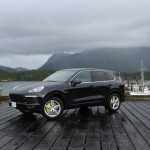
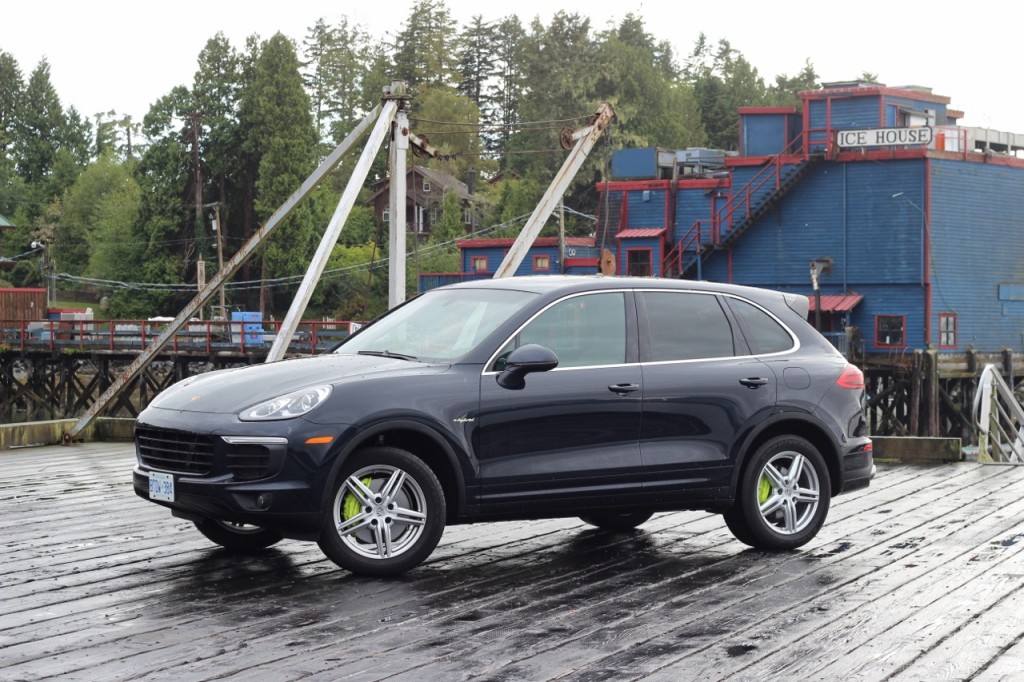
So it’s here that we end our journey; on the pier on the edge of town, from which seaplanes depart, as do whale watching tours and occasional small delivery boats required to keep the town going. It just so happens that it’s the perfect spot for a photo shoot, too; just have a look at the gallery below.