LuxuryCarMagazine En Luxury Car Review and News
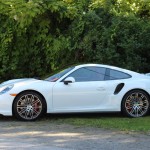
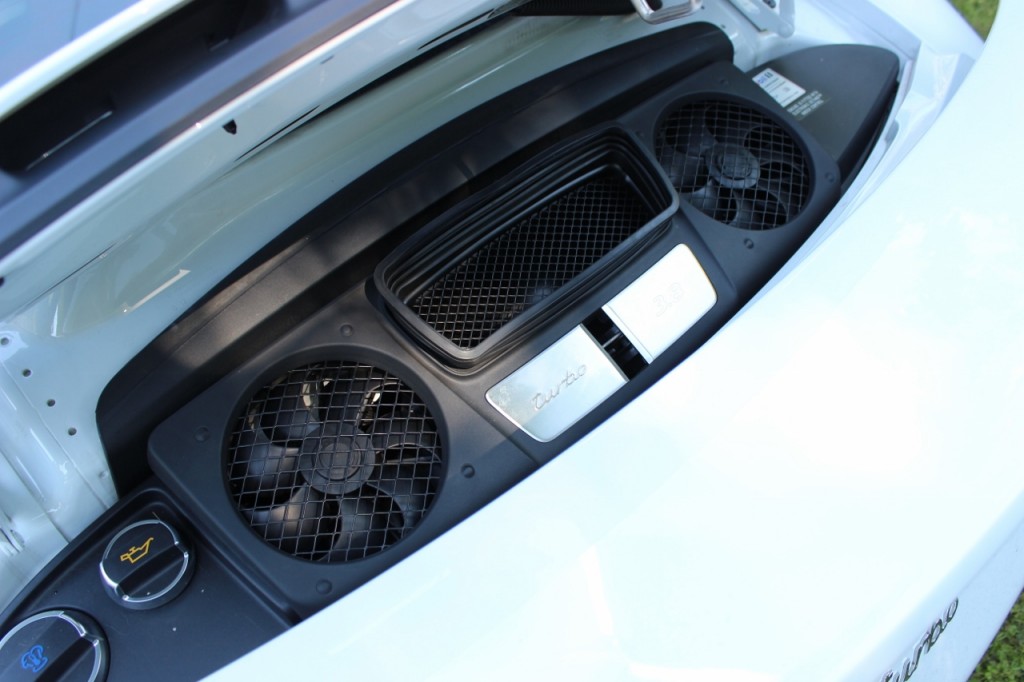
Let’s forget, for a minute, that the 991 Porsche 911 Turbo can rocket from 0-60 m.p.h. in 3.2 seconds, can do nearly 200 m.p.h. and features an all-wheel drive system that makes it all easier to handle than the original rear-wheel-drive 911 Turbo back in 1975. That was a car that made do with about 260 horsepower, compared to the 520 on-tap from this latest model. We’ll come back to this later.

Review Overview
Styling - 90%
Driving Pleasure - 95%
Performance - 95%
Driving Comfort - 80%
Interior Space - 65%
Fuel Economy - 60%
Winter - 75%
80%
Instead, let’s look at how stepping out of the 911’s lower-slung competition—the Audi R8, for example—and stepping into a Turbo gives the distinct feeling that you’re stepping up in the world; not figuratively, but literally. Let’s also look how that’s no bad thing.
You see, there are a multitude of reasons why you see so many of these on the road through the daily grind; one is that the model has been around for awhile, garnering an immense following that few other supercars can match. Or, perhaps it’s the fact it’s so easy to extract the power from the turbo flat-6, that it can make almost any diver feel like a hero.
However, I’d have to say that the 911 Turbo’s usability on the day-to-day is a massive selling point.
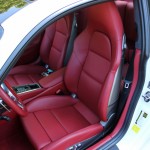
As is Porsche’s wont, the seating position is just right, providing drivers with a comfortable command of all the necessary controls, while at the same time not having them feel like they’re looking out of a pillbox on Normandy beach, like you do in said R8 or a less expensive muscle car like the Chevrolet Camaro ZL1. You can thank the tall greenhouse for that, albeit one that is slightly shorter than the previous-gen 997 model.
The dynamic dampers, while firmly planted in the “performance” end of the spectrum, also play their part in making the Turbo easier to live with every day.
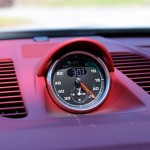
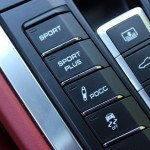
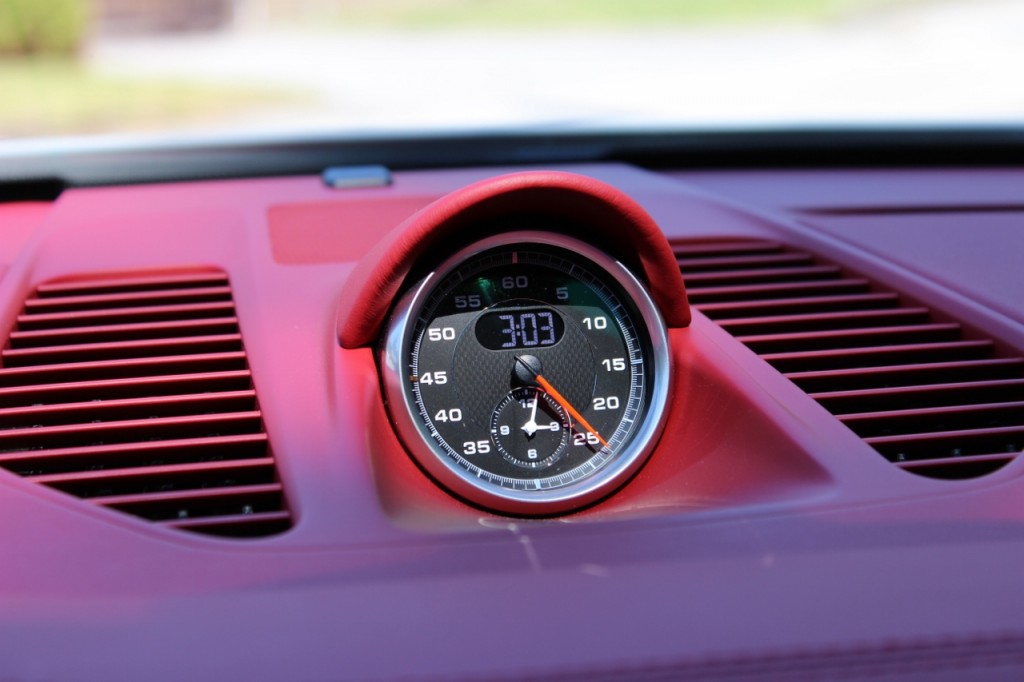
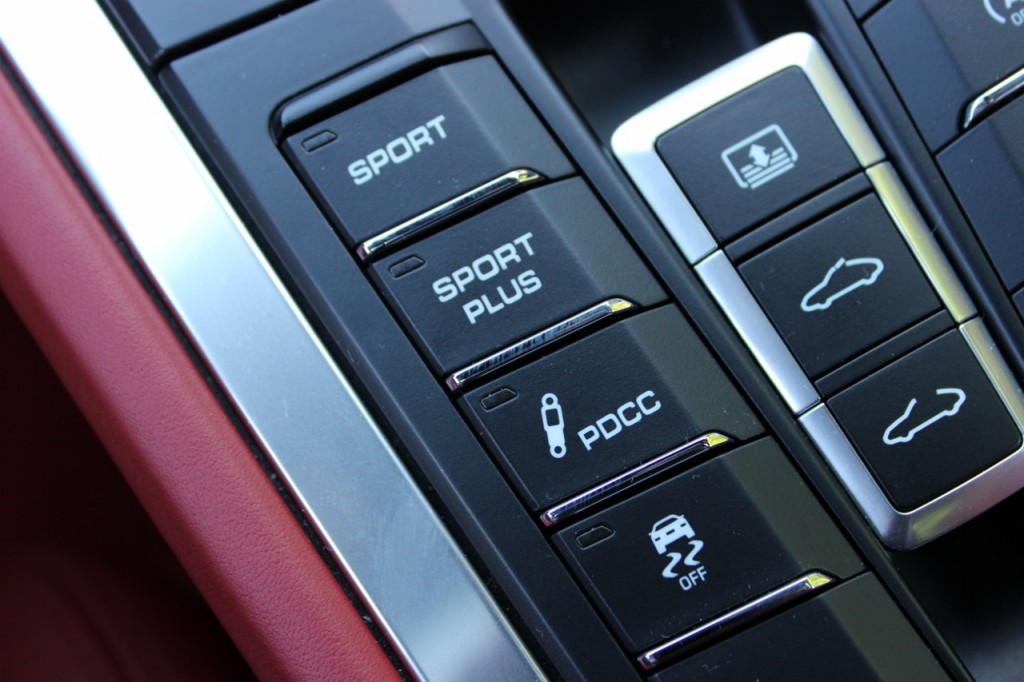
Keep all the chassis control buttons mounted left of the shift lever dim (there are three, so long as you spec the $4,470 Sport Chrono package: Sport, Sport +, dampers), and while it’s not exactly supple, it’s nowhere near as firm as you’d think an aggressive chassis set-up like this should feel. Even the exhaust note is quieter in normal mode, meaning you don’t bug others as you sit idling in traffic.
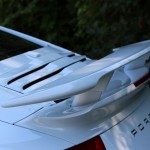
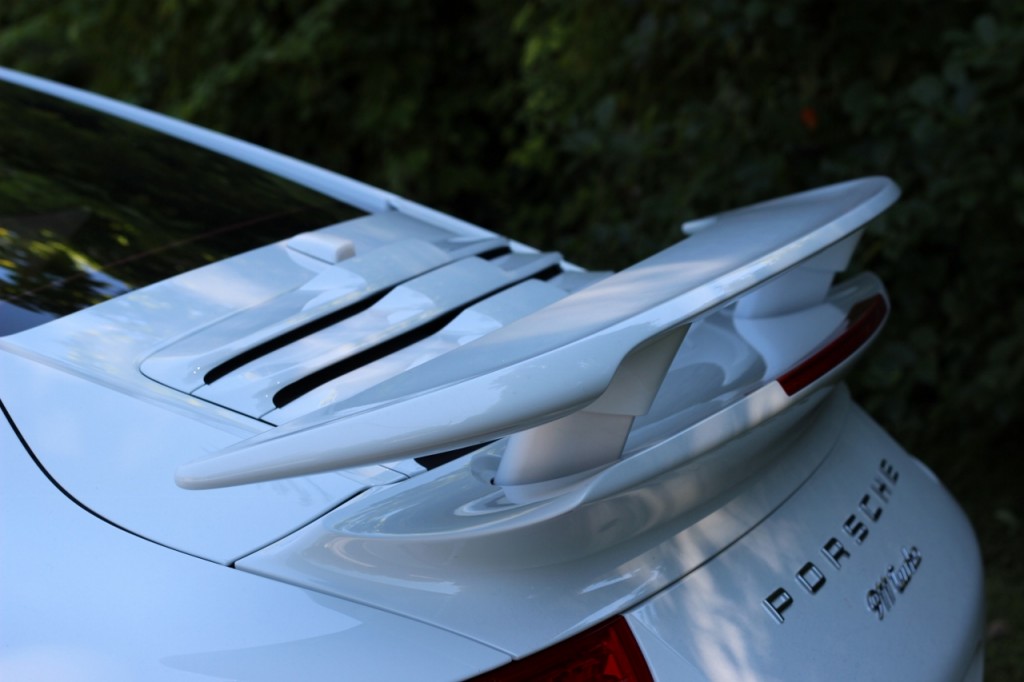
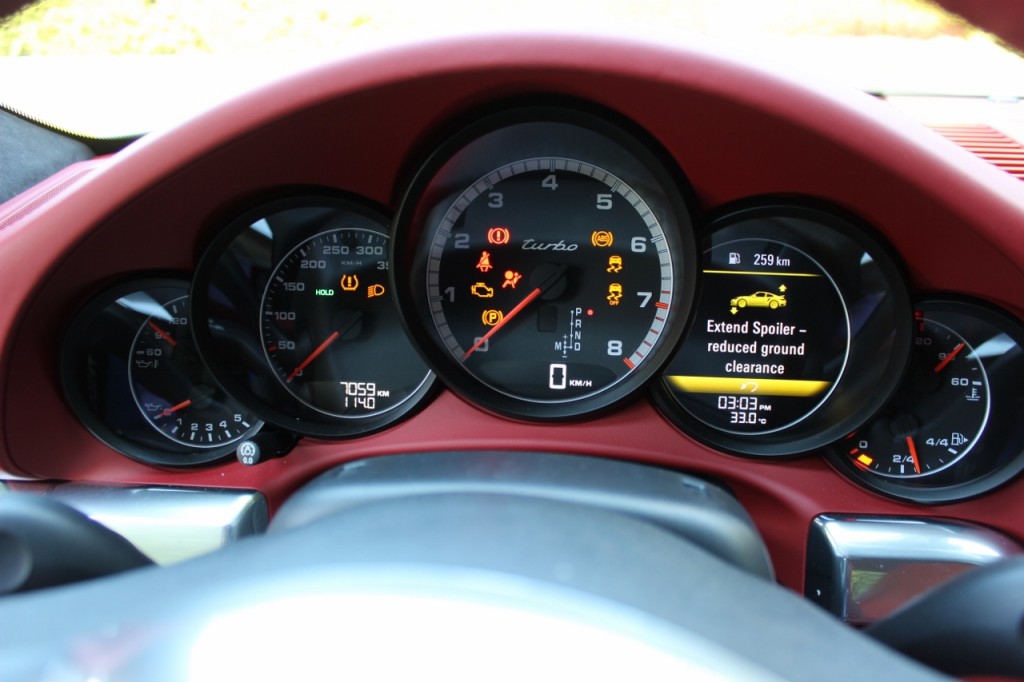
Finally, if you want to blend in not just on the engine noise front but on the visual front as well, both the front splitter and rear spoiler can be set to slide under the car in the case of the former, and slide lower (and tilt flatter) in that of the latter. You can even fit a carry-on sized bag and briefcase in the nose. Your golf clubs are going to have to go in the back seat, though, which is all you’d really want to use the tight confines of the rear seat for anyway.
Or would you? I recently talked to a 911 owner who has not one, but two child seats in the back of his Carrera…
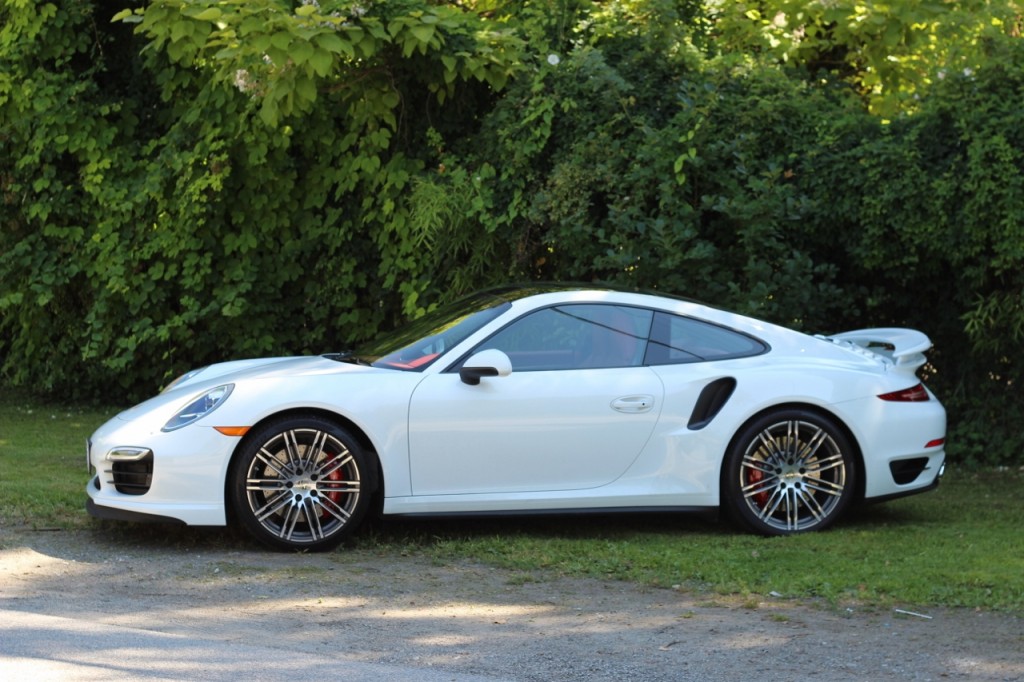
But then, do you really want to blend in when driving a car like this? Another reason people buy Turbos is that they continue to turn heads, even though, as many will tell you, the basic shape hasn’t changed much in the almost 40 years it’s been produced.
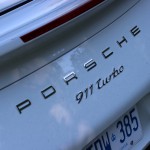
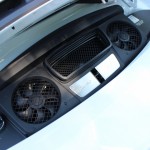
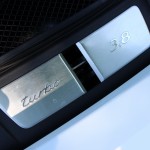
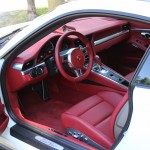
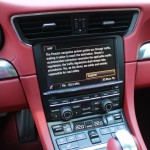
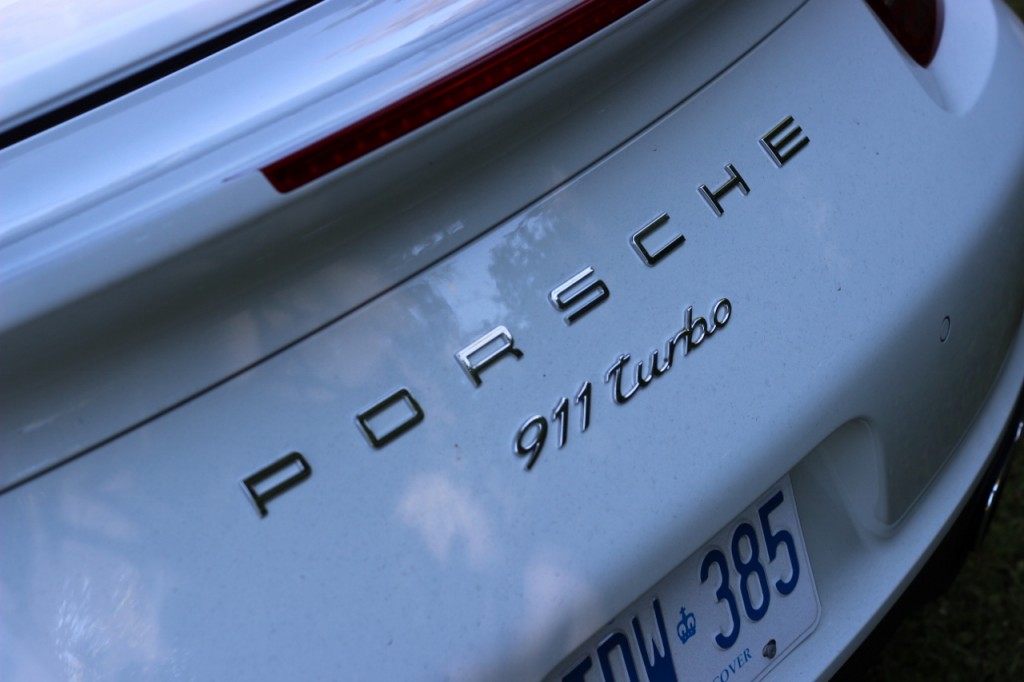
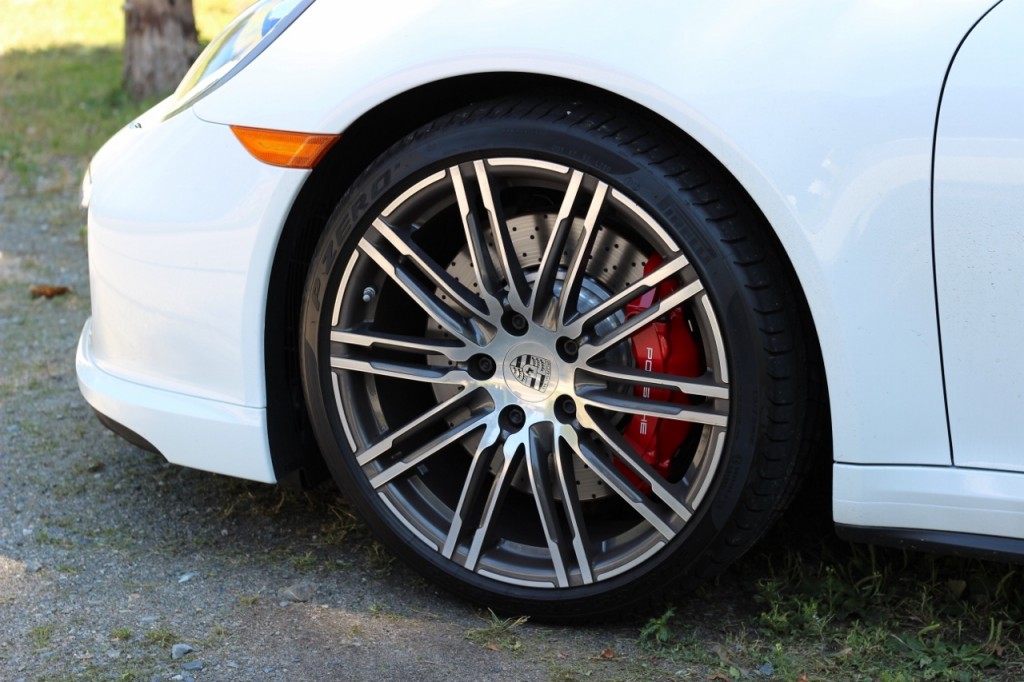
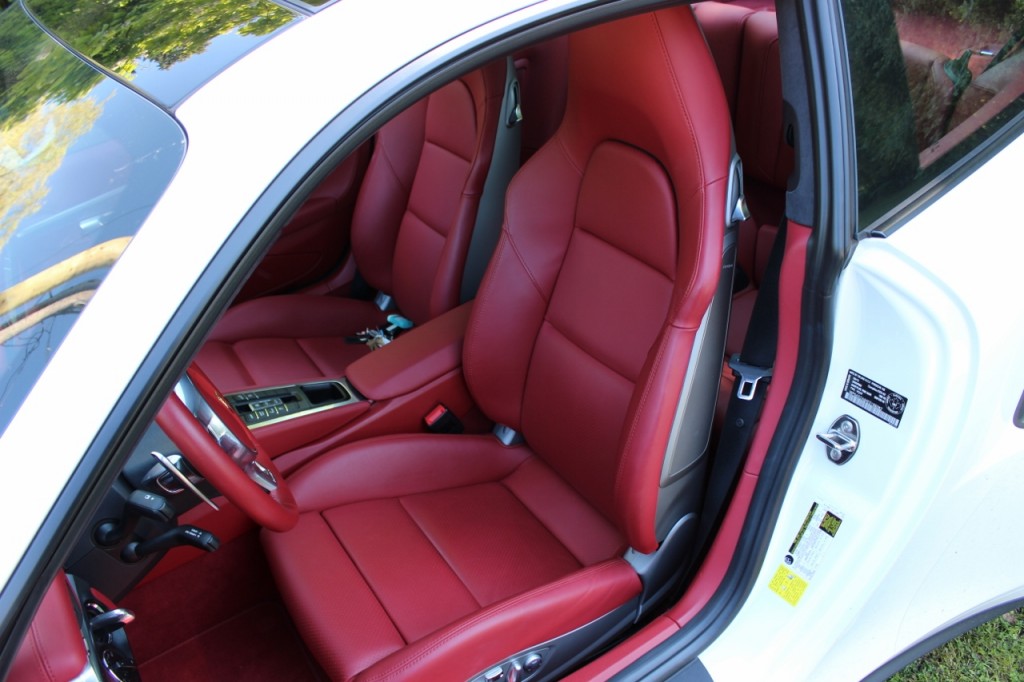
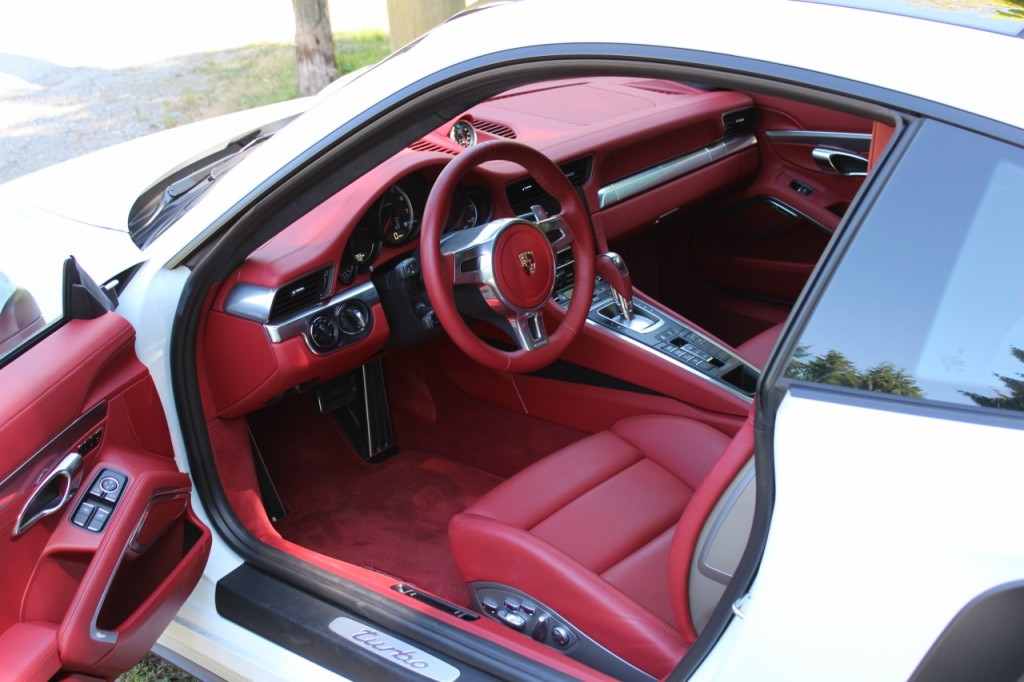
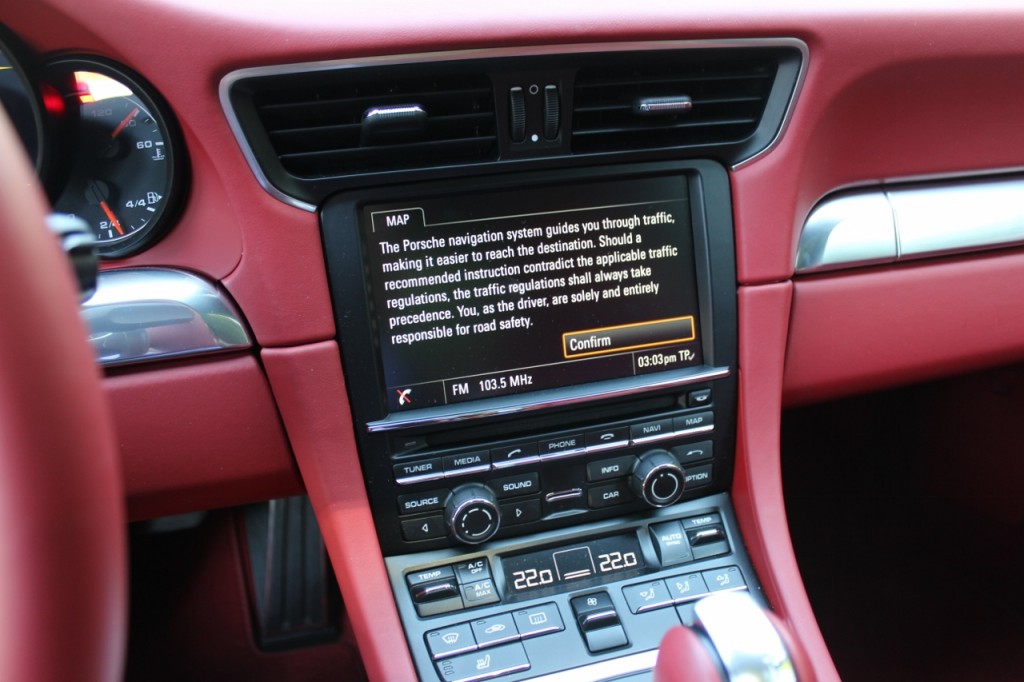
Those flared wheel arches (especially at the back thanks to the 1,575 mm rear track width), rear cooling ducts, low-profile taillamps and classic “Porsche” font across the rear deck make for a car that’s easy on the eyes. It’s big, it’s wide and it does very little to hide that fact. Don’t get me started on the bright Carrera Red interior (a $1,730 option), which impressed everyone who sat inside. It’s so bright, you could probably see it from space if you left the doors open…
Of course, you’ll eventually wan t to stop showing off and actually drive the thing.
Because as accommodating as the Turbo is, the massive power it puts down remains its calling card.
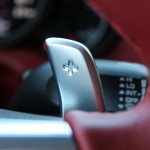
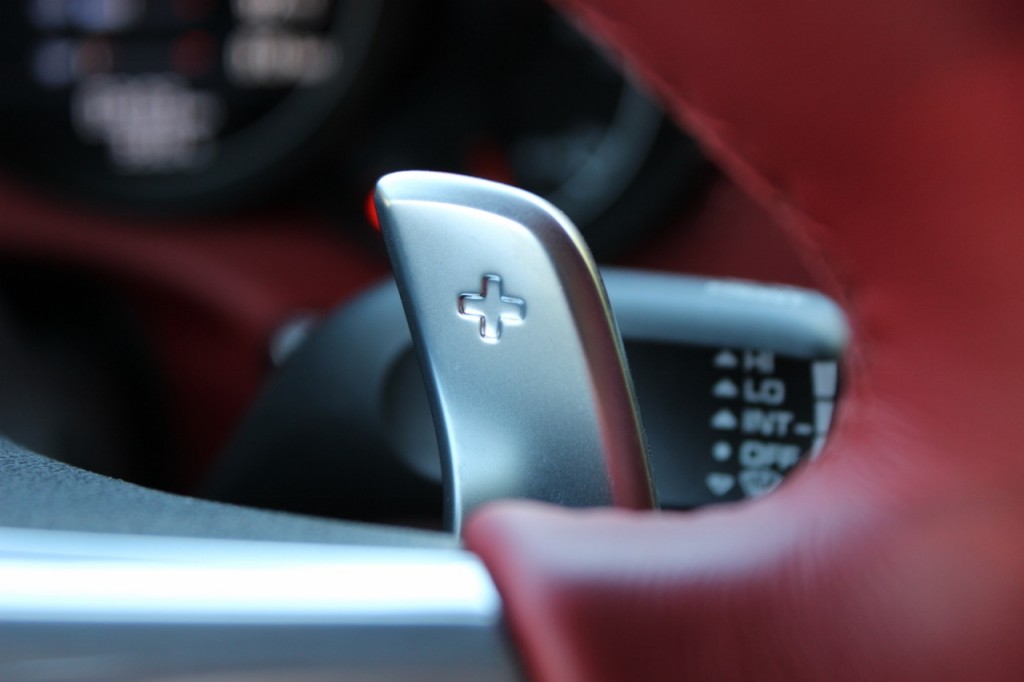
It all happens so quickly, too, especially considering the PDK dual-clutch auto, which is the only transmission option you have.
Upshifts are banged home in milliseconds, with no power interruption thanks to the dual clutch format.
It is too bad, however, to not at least have a manual option, although with a car this honed, the less opportunity for human error (a missed shift, for example, or an early downshift), the better.
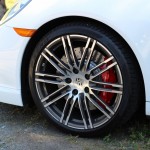
Plus, it gives you more opportunity to focus on that superb chassis, especially when equipped with the Sport Chrono package. That provides active engine dampers and roll bars, helping keep body roll to a minimum and allowing drivers to change direction that much quicker. There’s even a rear-wheel steering system that allows the rear wheels to rotate up to 2.8 degrees, helping swing the back end ‘round in a more controlled fashion.
The active engine damping is incredibly effective, not only reducing body roll to help keep the rubber side down, but also providing a distinct lack of inertia, the car responding almost instantaneously to driver input.
Activate Sport + (another Sort Chrono addition; “Sport” is your only option without the package) and the effect gets multiplied even more, as shifts are quickened and dampers are firmed up. You don’t’ get much closer to a race car for the road than this.
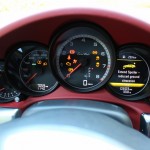
You also won’t get closer to illegal speeds in as short a time as you do here. We mentioned the figures, but it’s more the sensation that gets you. When you’ve fully planted the throttle, you’re not timing yourself; indeed, you’re spending most of your brain power trying to hold on to that big red leather wheel.
That’s what’s so great about the 911 Turbo, though. It’s digital enough without getting in your way, analogue enough without leaving you feeling like you’re a knife’s edge away from ending up the wrong way ‘round at all times. It may have a similar profile, but has the 911 Turbo ever come a long way.
2014 Porsche 911 Turbo: $169,200
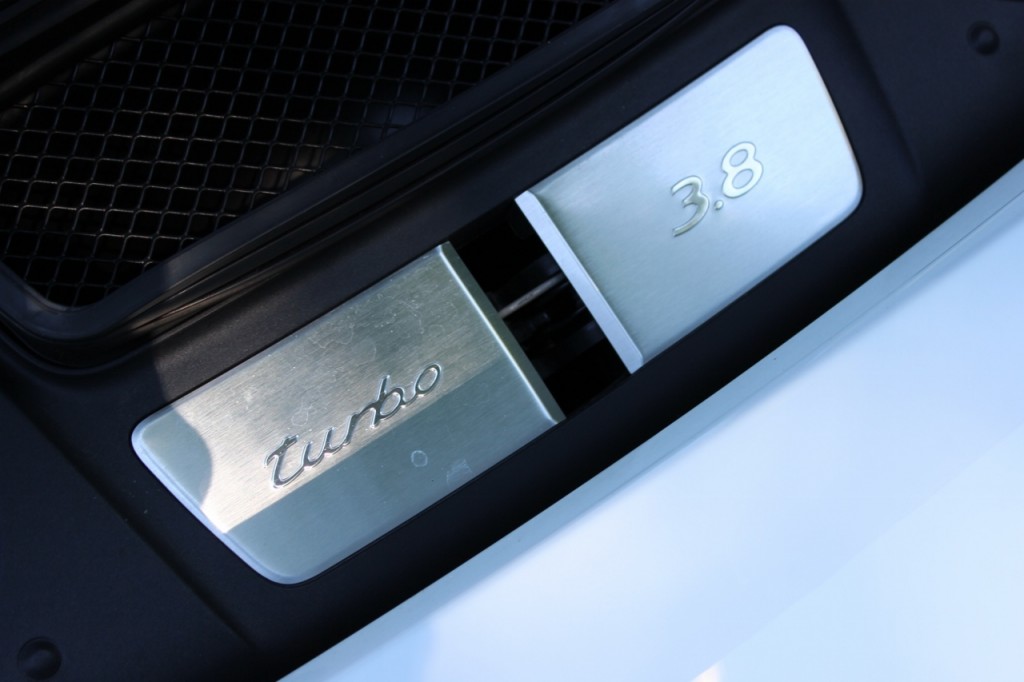
Engine : 3.8L flat-6, twin-turbo
Power : 520 hp @ 6,000 r.p.m.
Torque : 487 lb.-ft. @ 1,950-5,000 r.p.m.
Transmission : 7-speed dual-clutch automatic, AWD
Fuel Economy (City) : 12.2 l/100km
Fuel Economy (Highway) : 8.1 l/100 km
Fuel Economy (Observed) : 15.6 l/100 km