LuxuryCarMagazine En Luxury Car Review and News
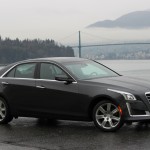
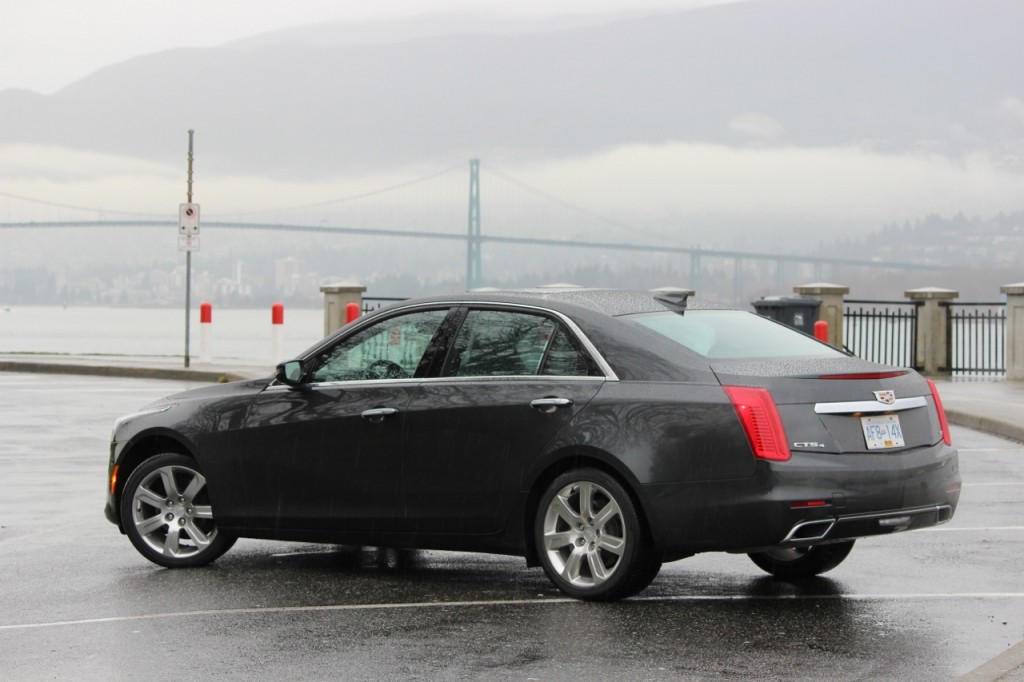
You have to admit: the sight of one of one of these coming towards you—especially if you happen to be facing downhill—is quite something.

Review Overview
Styling - 75%
Driving Pleasure - 75%
Performance - 80%
Driving Comfort - 75%
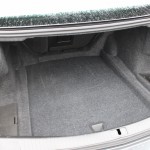
Interior Space - 60%
Fuel Economy - 60%
Winter - 85%
73%
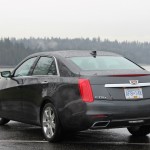
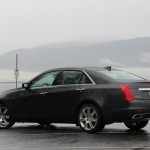
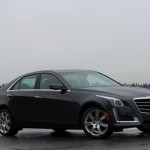
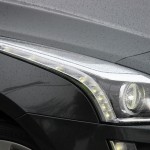
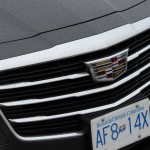
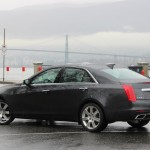
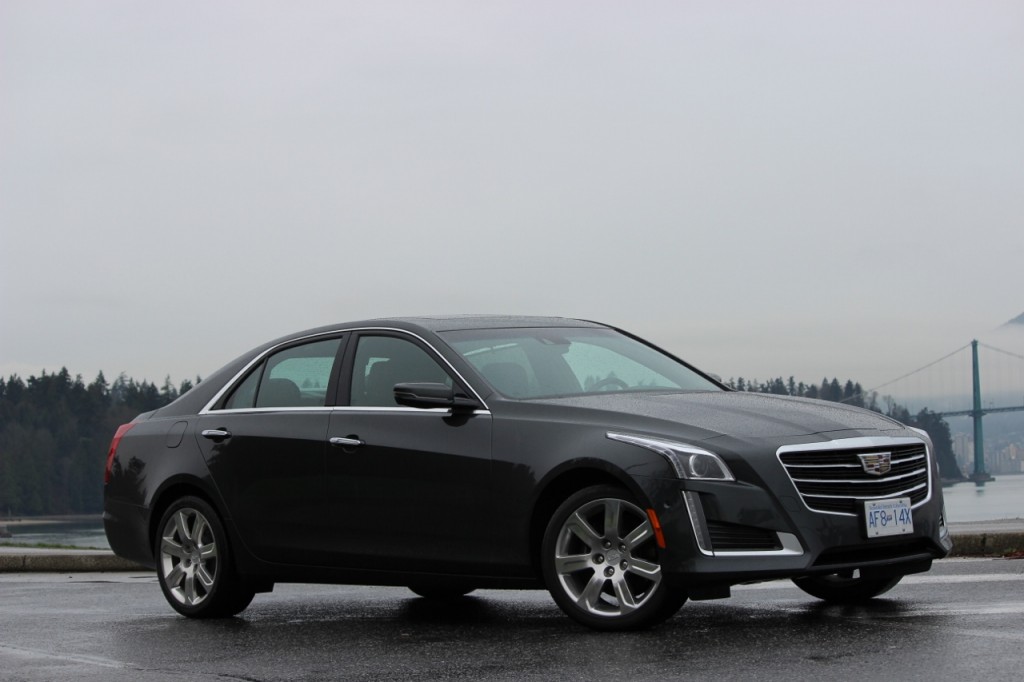
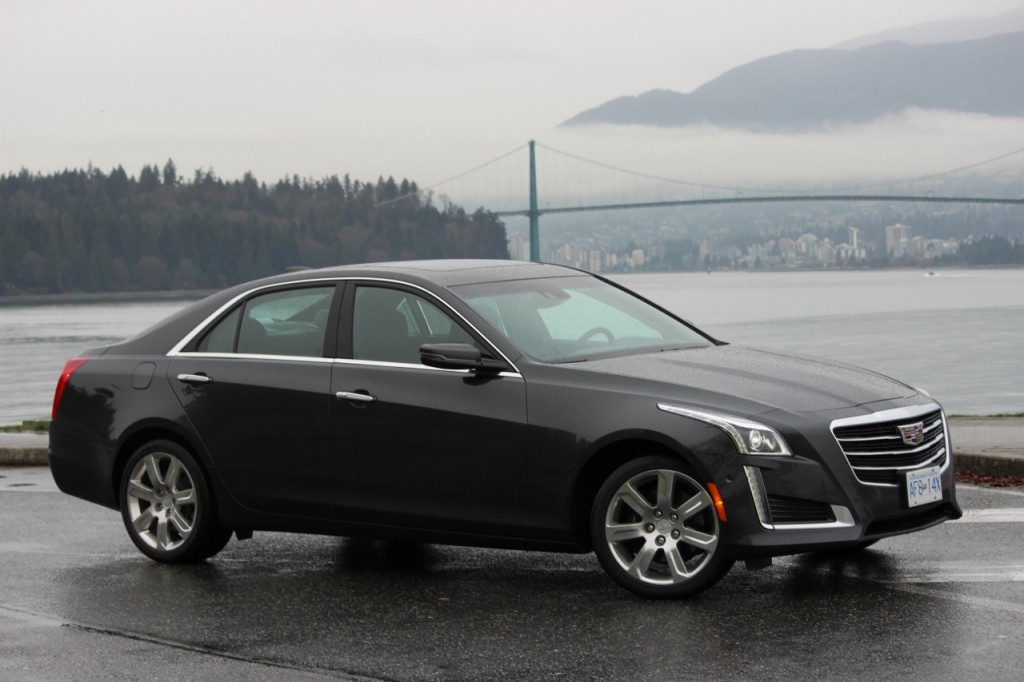
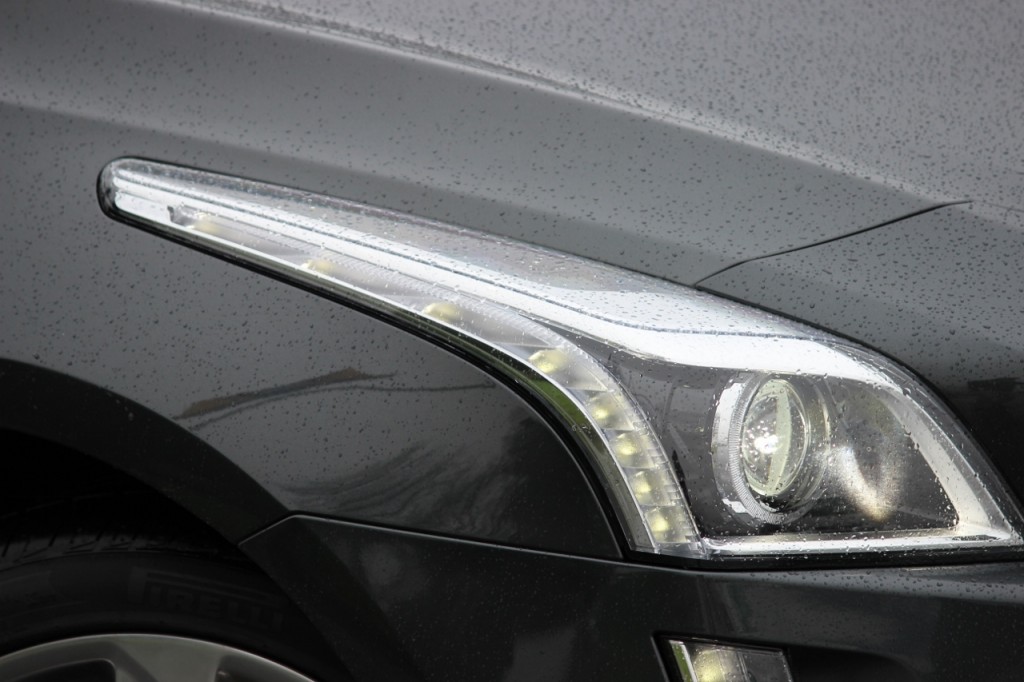
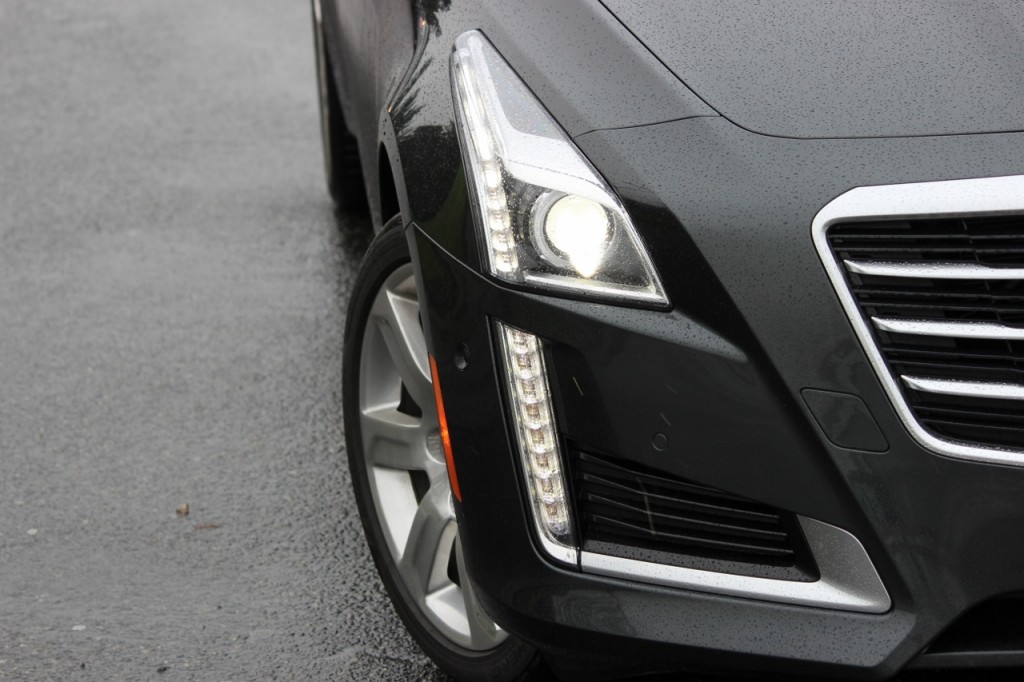
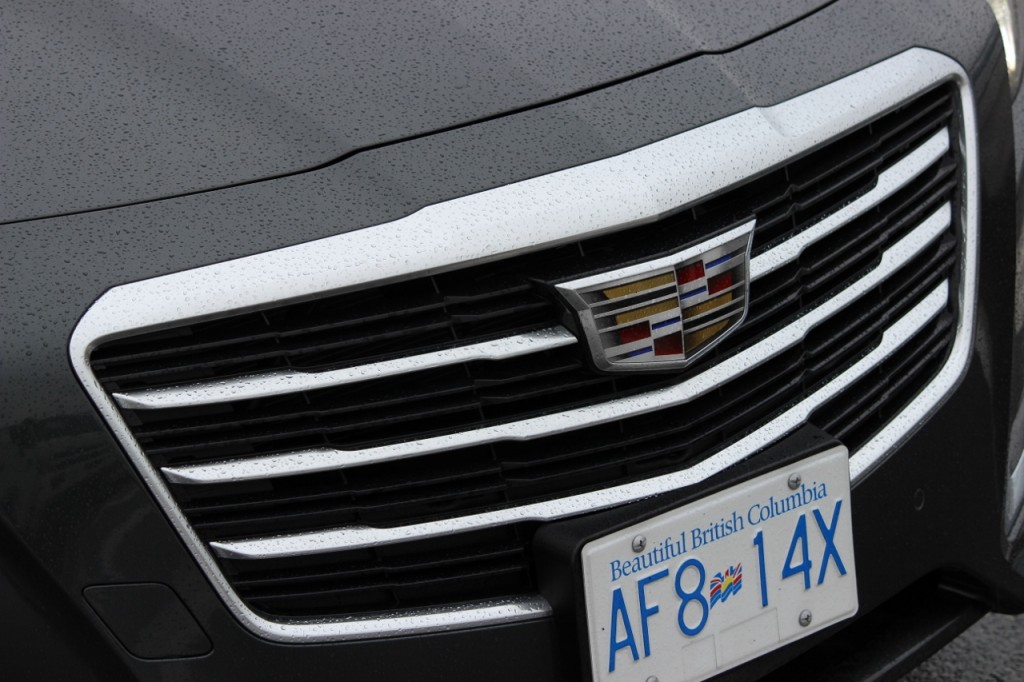
The CTS, with its big grille, split-level foglights and piercing headlamp lenses, takes Caddy’s Art & Science design language to the next level, becoming one of the most distinctive vehicles in midsize luxury segment, this side of…well, I don’t know, actually. It’s pretty unique, this CTS, and when it’s coming up that hill towards you, the grille and headlights give the impression of a distinct, square-jawed scowl.
It stands to reason; The CTS was the first model to which Cadillac applied its Art & Science design philosophy when it debuted back in 2002. It was an altogether edgier bent for Cadillac, who’s designs had been shuffling ‘round in obscurity tever since the disastrous Cimarron from 20 years prior.
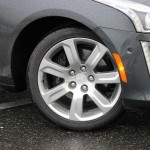
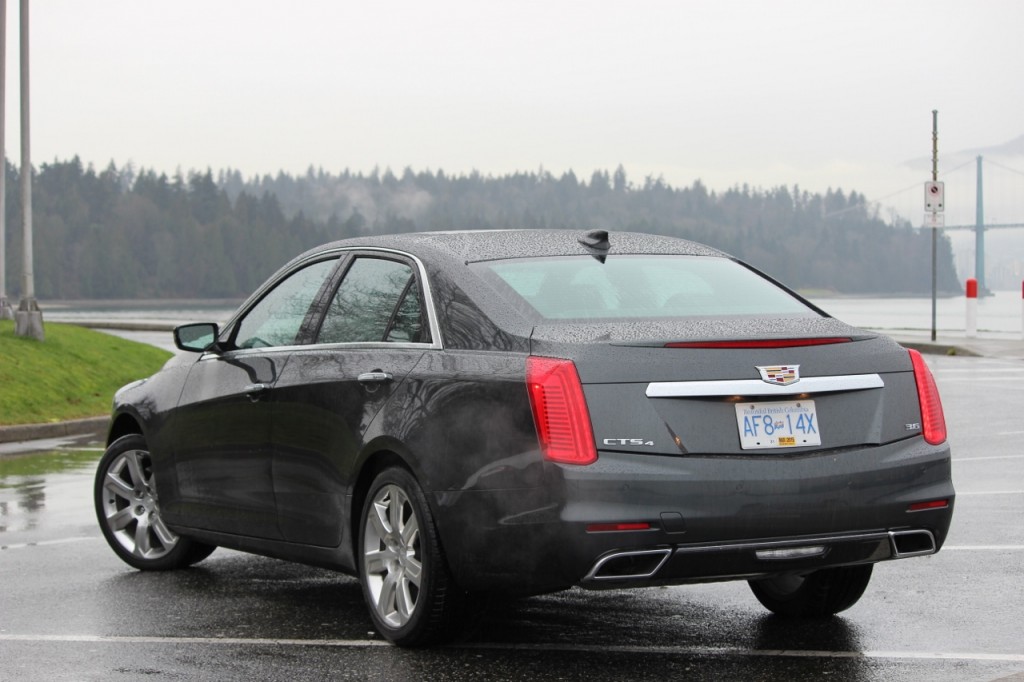
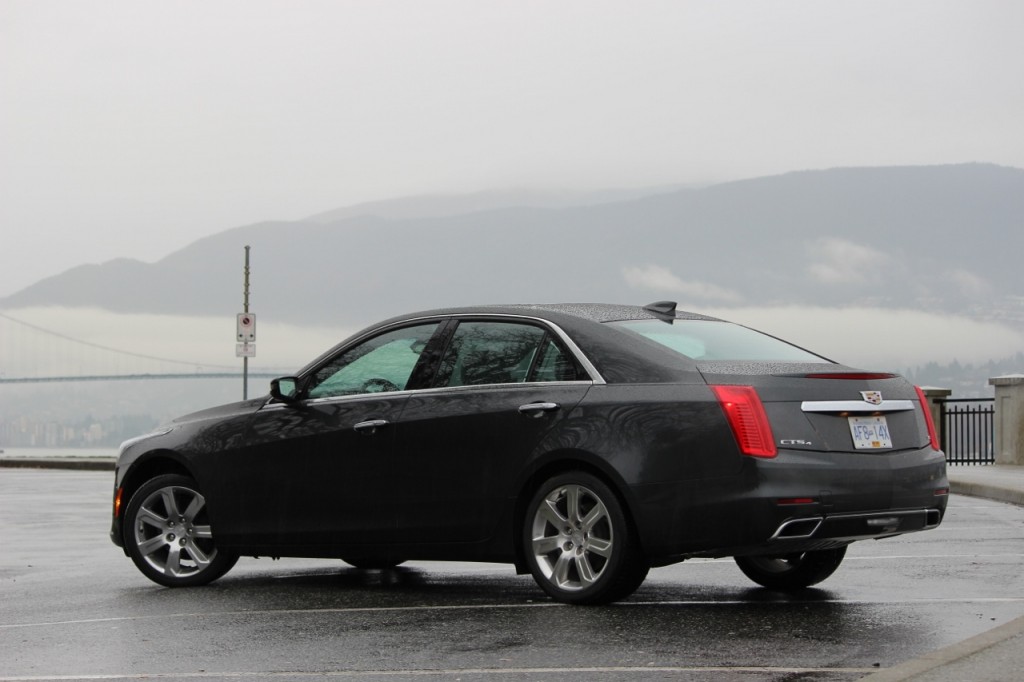
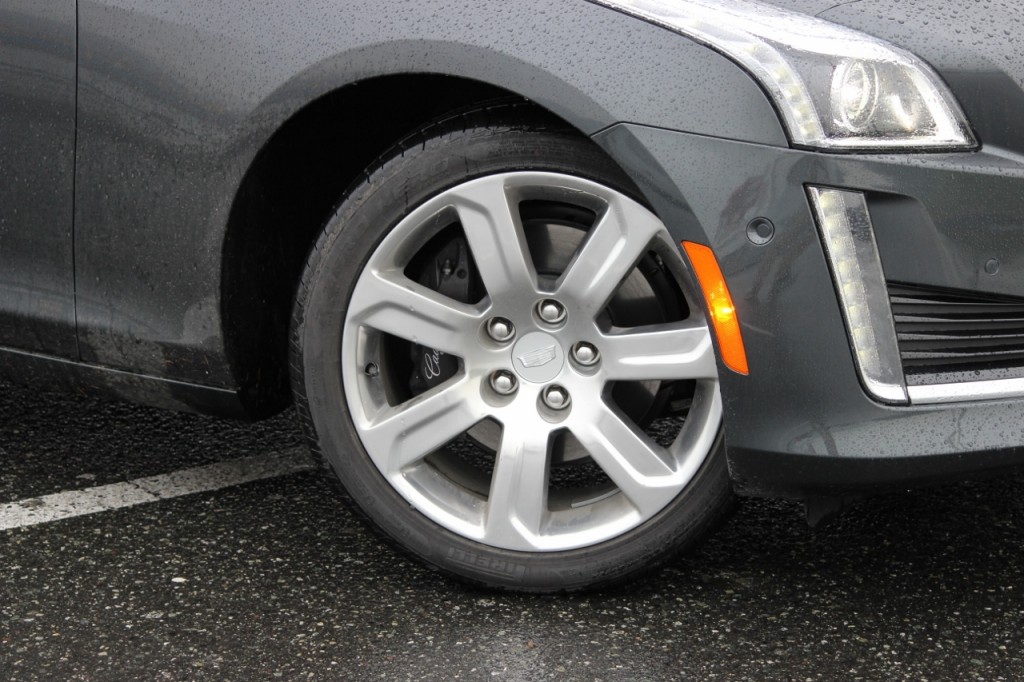
Our tester wasn’t perfect, however; the 18-inch Pirelli all-season tires, for example, look a little dwarfed by the large side panels; there are 19s available, but only if you select the Performance package, which starts at $65,790. The way the C-pillar sweeps downward is nice, but the way it meets strange the trunkline—creating a dual-tiered look when viewed from the side–takes a little getting used to, as well.
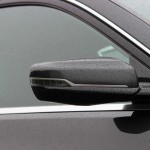
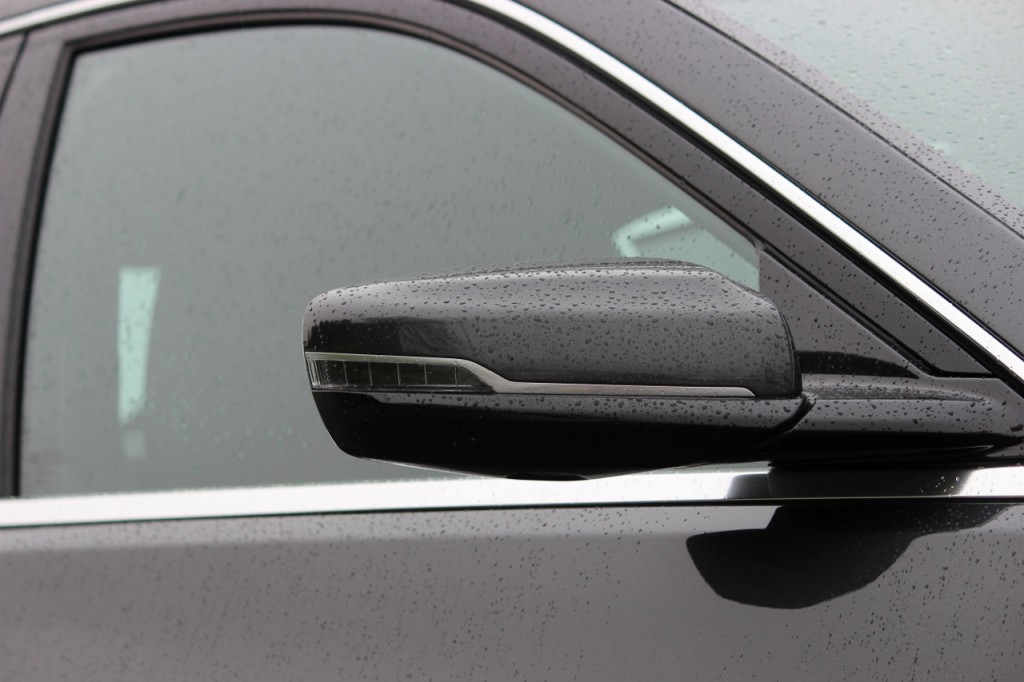
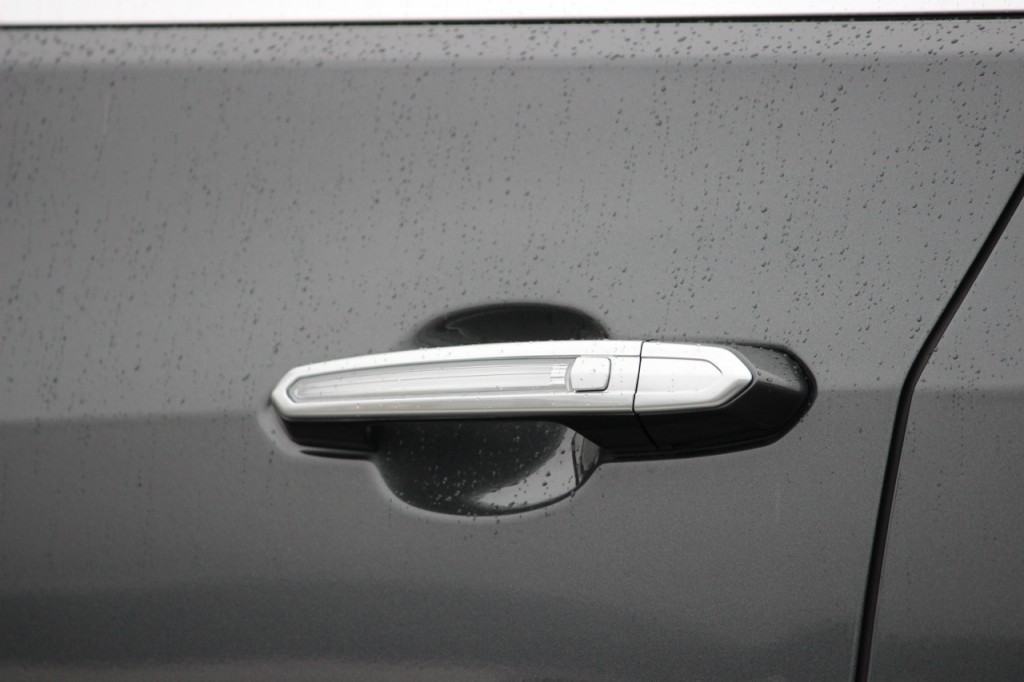
The rest of the detailing—the wing mirrors, downward-sloping door crease, subtle chrome trim—is well carried out, however.
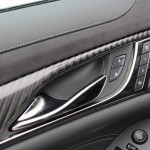
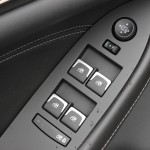
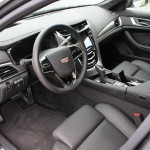
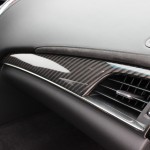
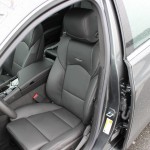
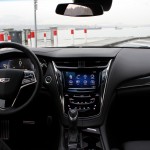
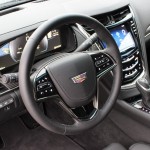
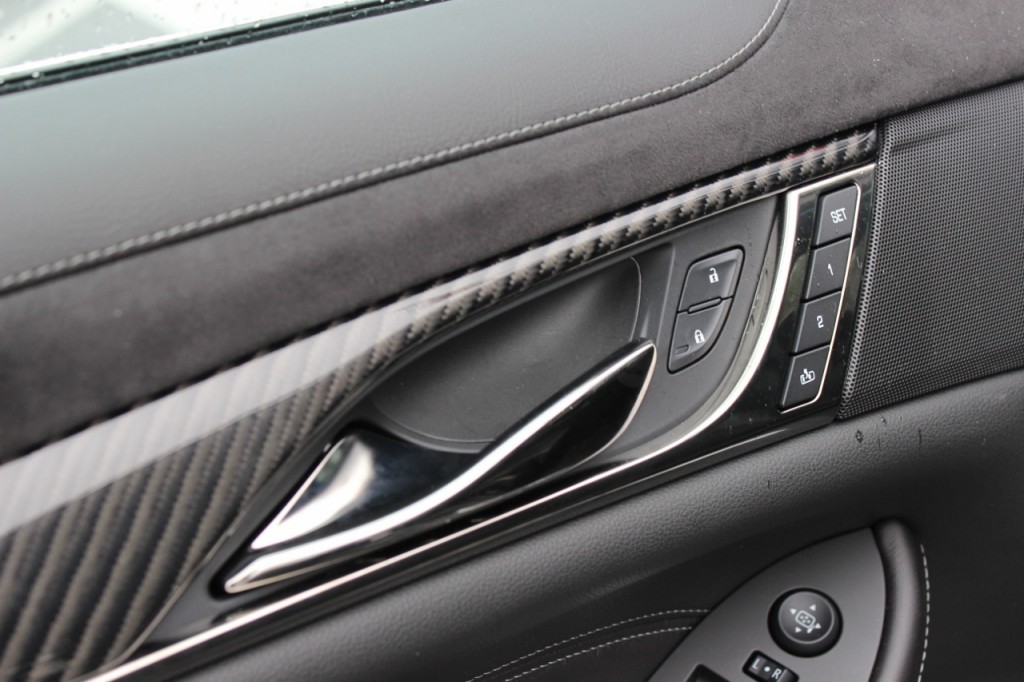
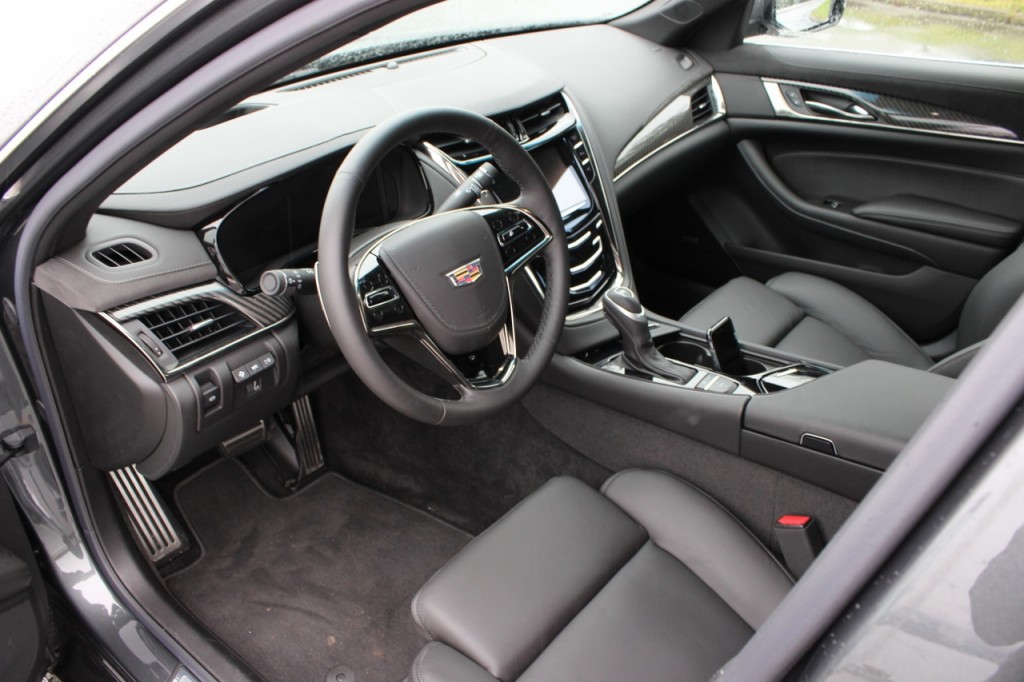
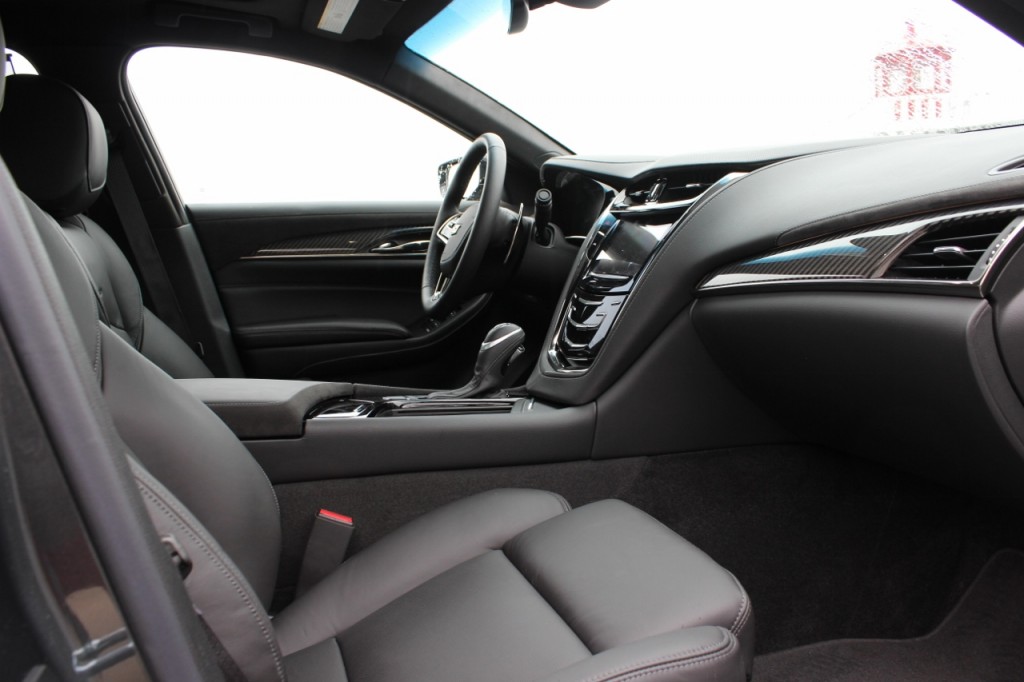
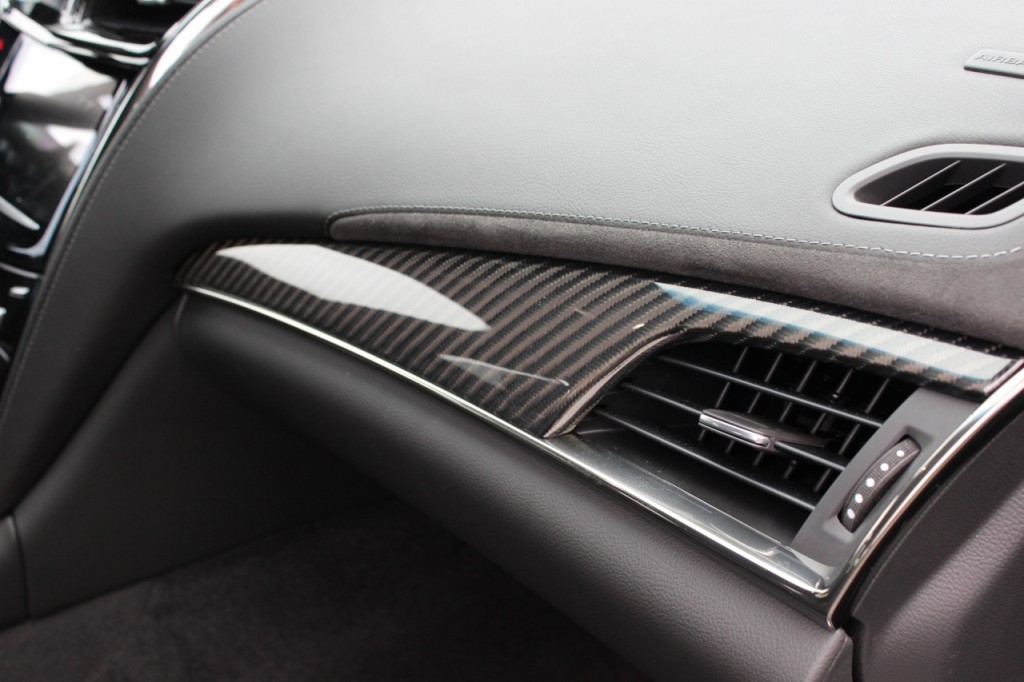
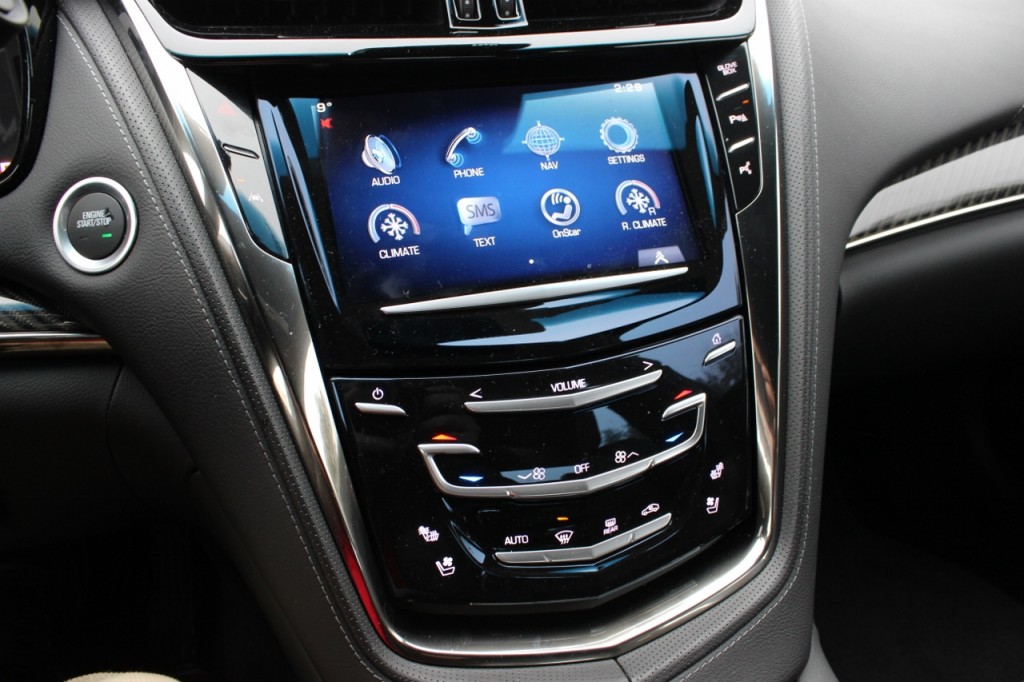
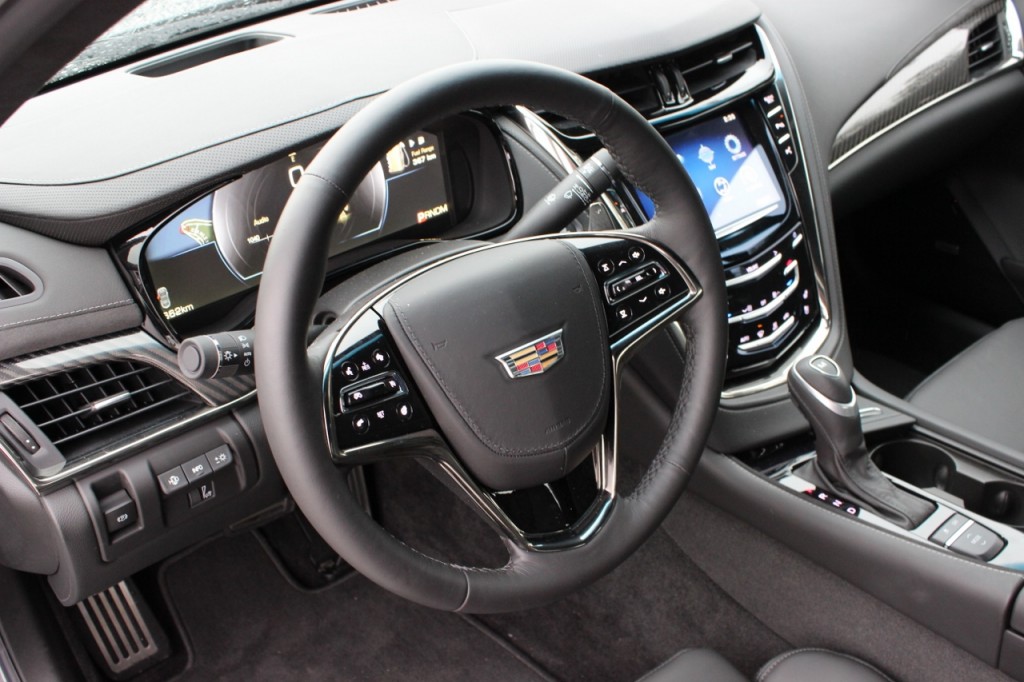
Inside our tester, you’re greeted with a compelling mix of leather and real carbon fibre, which does well to not be too extravagant, but just out there enough to not be confused with something from a Mercedes-Benz E350, for example. Oh, and as with the entire Cadillac range, you’ll find no fake accenting here; if you see wood, it’s real wood, and the same goes for the carbon fibre on the doors and dash in our car. It’s nice to know that much attention has been paid to the quality of the interior fixings.
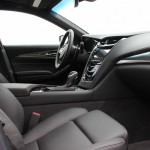
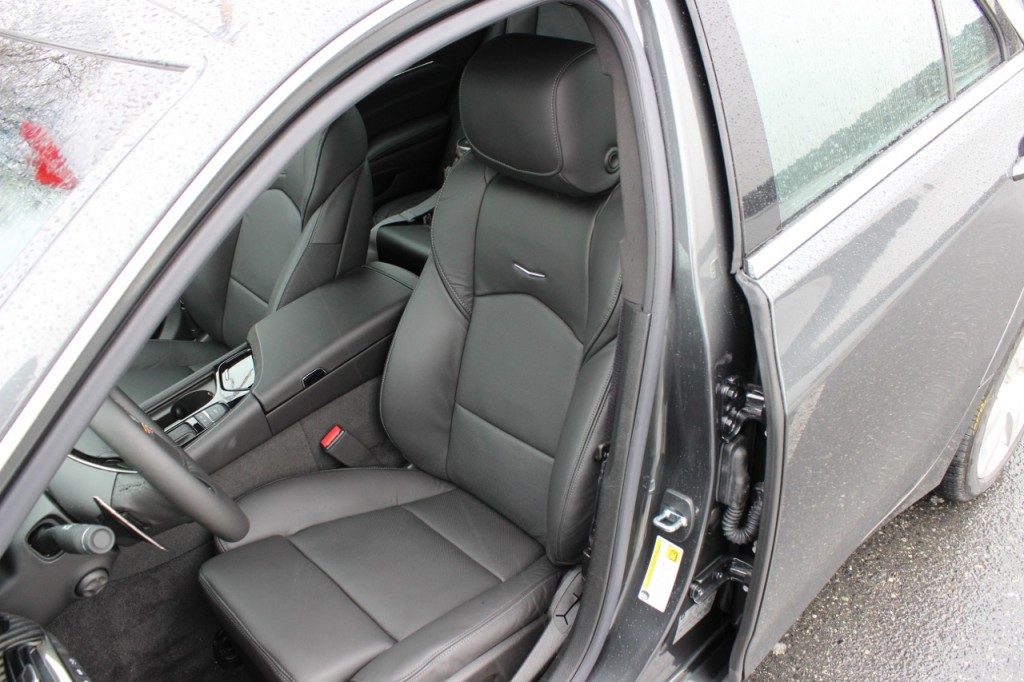
The seats themselves, as is Caddy’s wont, are very cushy, with nice, squared-off shoulders that give an impression you’re sitting in a proper chair. The way each side of the driver’s seat vibrates if you begin to wander out of your lane is a nice, non-invasive lane departure warning system because it’s undetectable to others in the car. This may bother some chronic back-seat drivers, but only the driver really needs to know they’re leaving the lane.
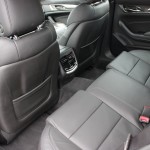
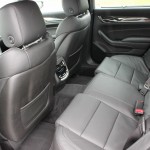
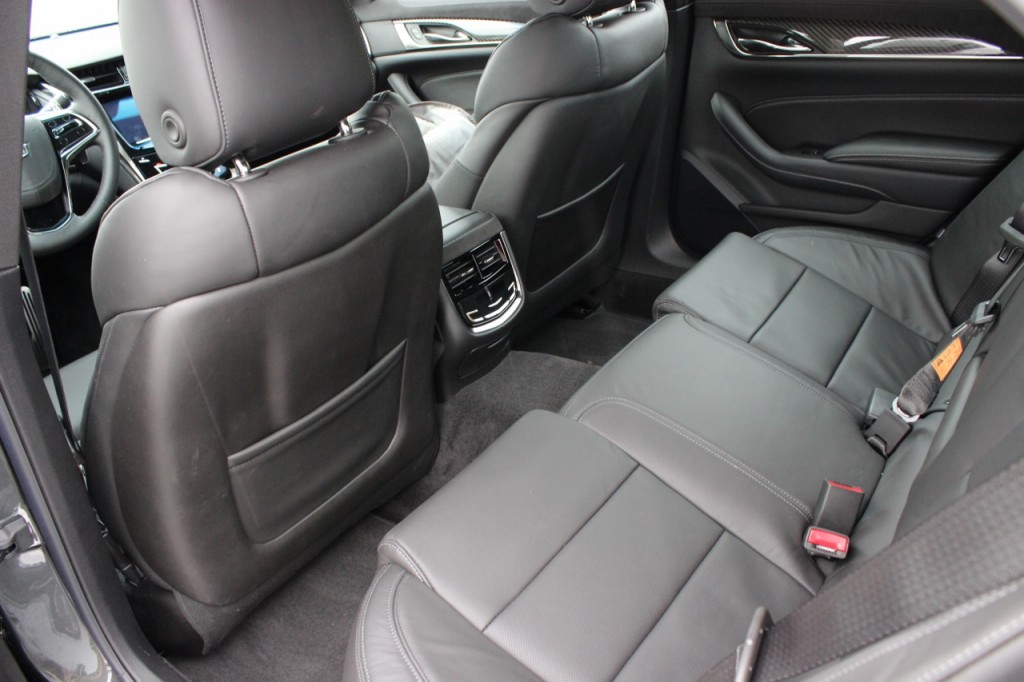
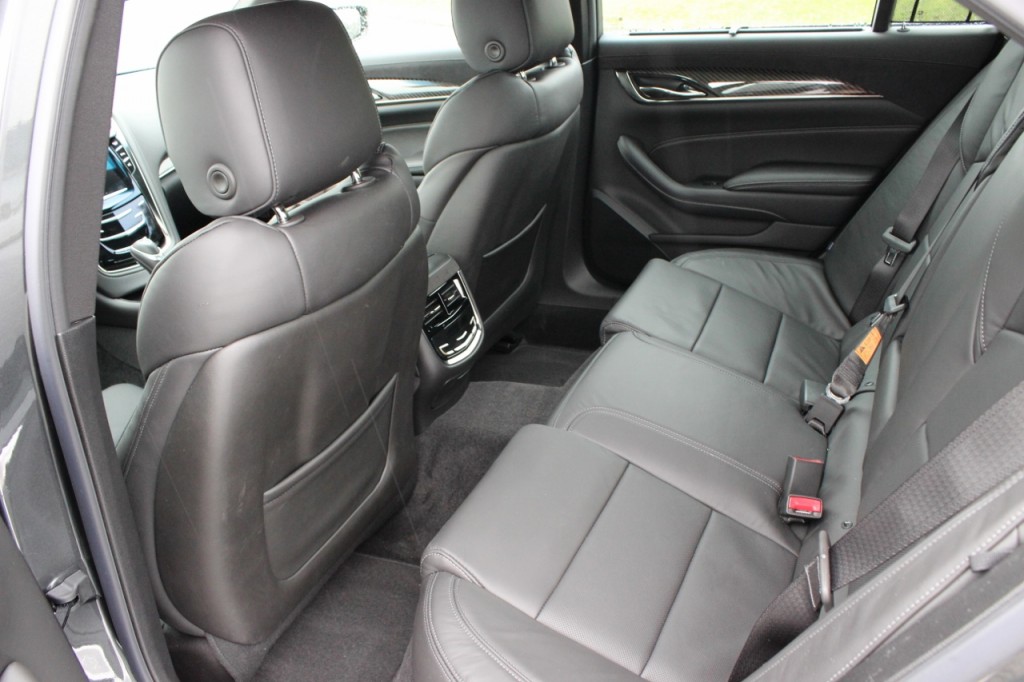
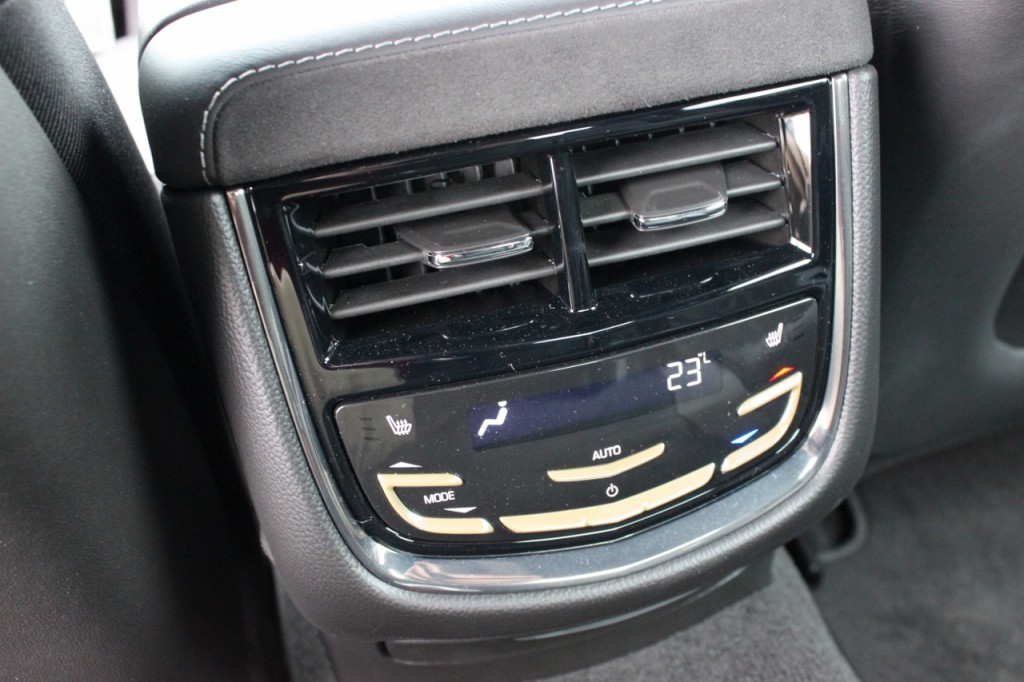
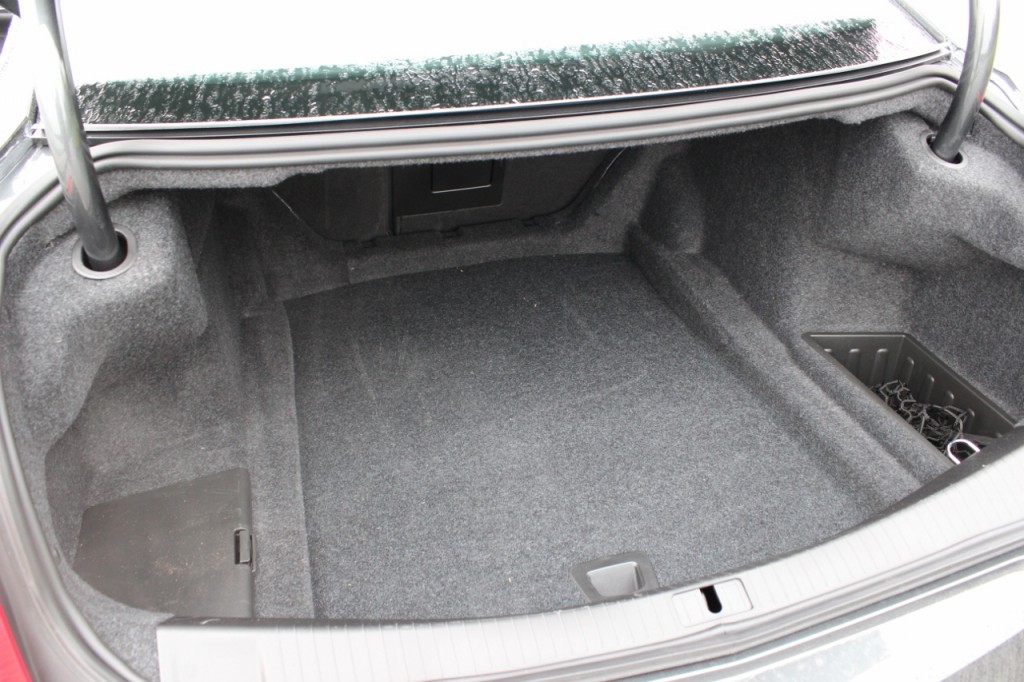
The rear seats are a little tight, though; when you consider that, at 899 mm rear leg room is only 48 mm up on the smaller, very good (and less expensive!) ATS sedan, you begin to wonder about the CTS’ spot in the line-up.
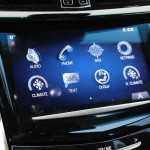
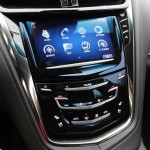
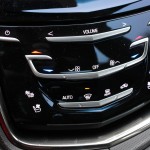
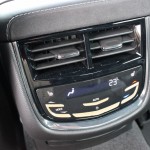
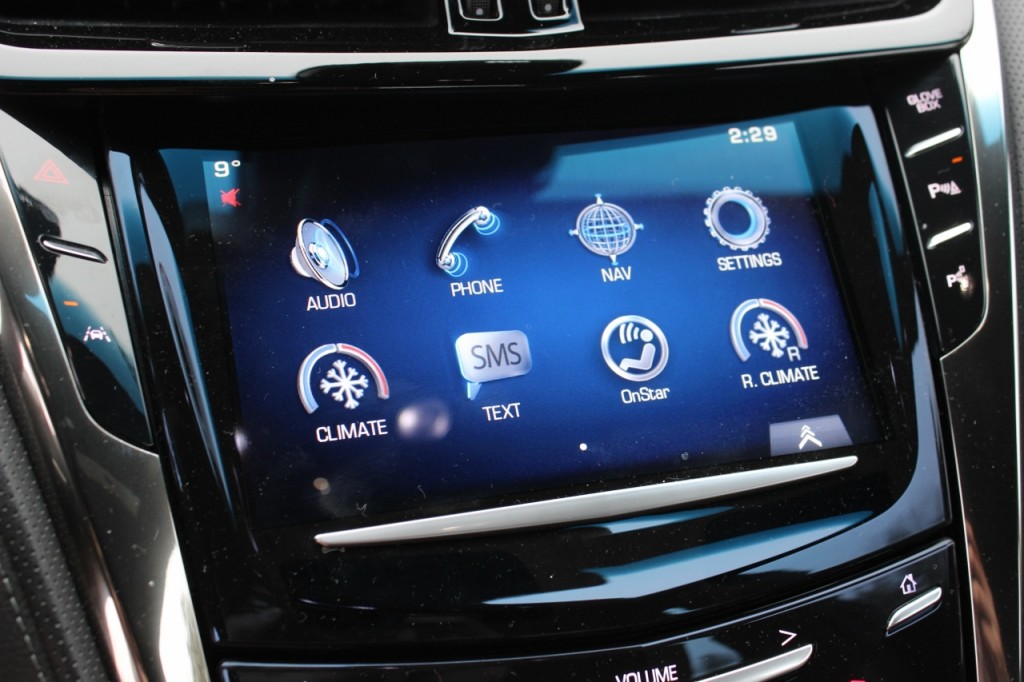
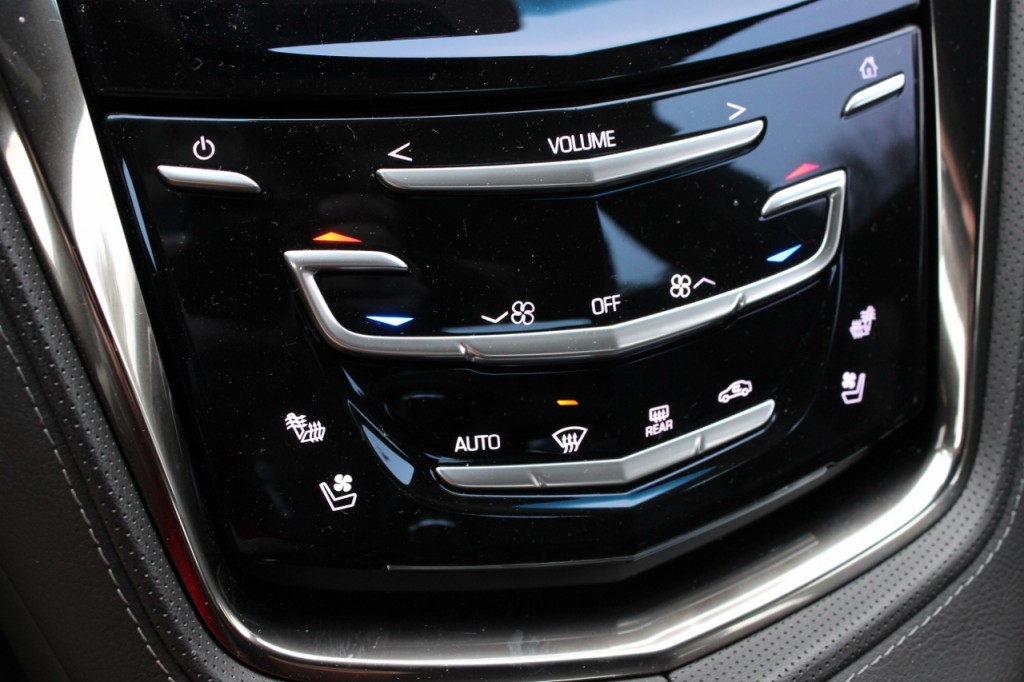
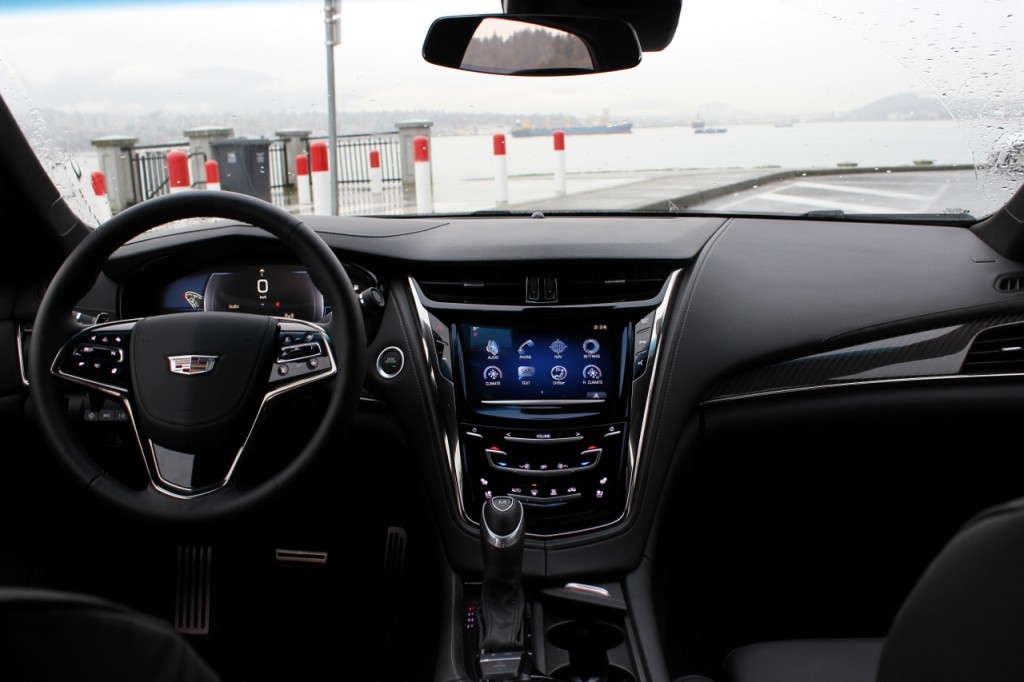
What I’m also having a little trouble getting behind even after sampling it in many Cadillac models, however, is the Cadillac User Experience (CUE) infotainment/climate system. Yes, it’s cool that the only real button you find on the dash is that which turns the engine, but the touch panel mounted with all your audio and climate controls just feels strange. Yes, there’s feedback when a touch command has been received, but it’s often not perceptible enough. Now, the fan, which you’d originally wanted to move up one setting, has been turned all the way up to 11. It just feels so…unfinished. Yes, there are voice commands for many of the inputs, but who really uses voice commands on the regular? I’ll take a button and a dial or two, Cadillac. Thank you very much.
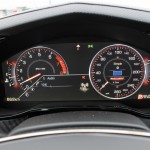
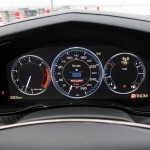
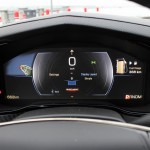
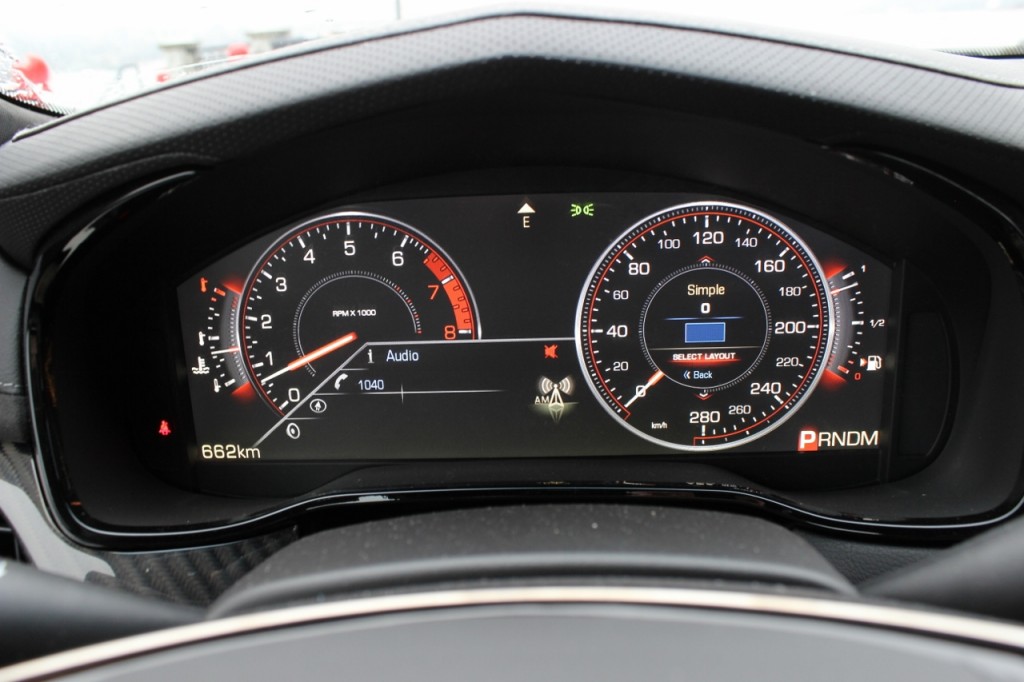
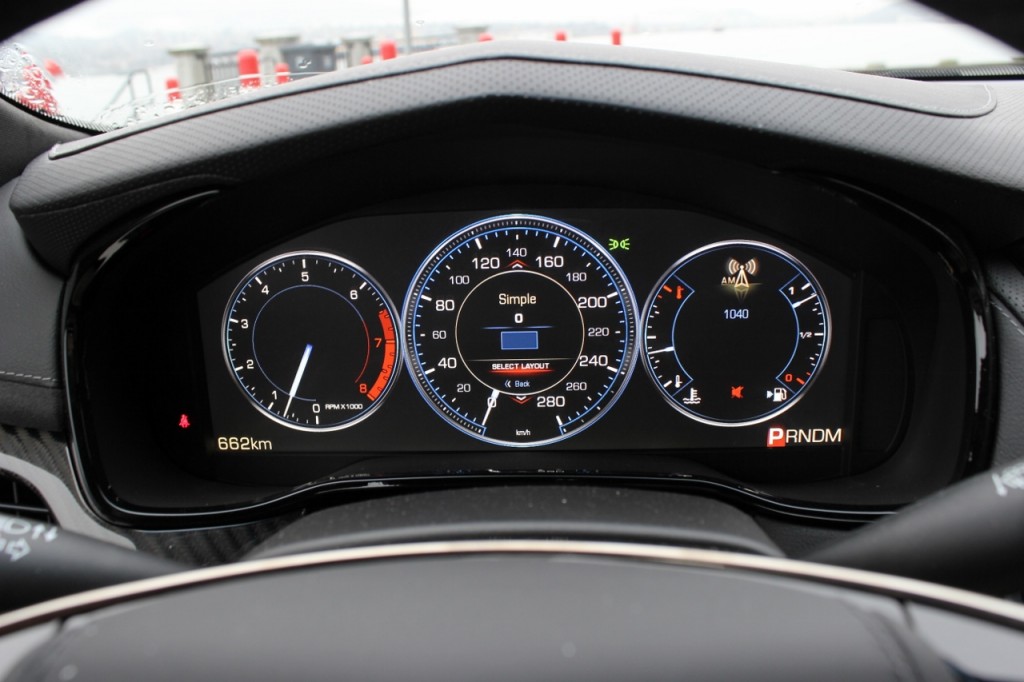
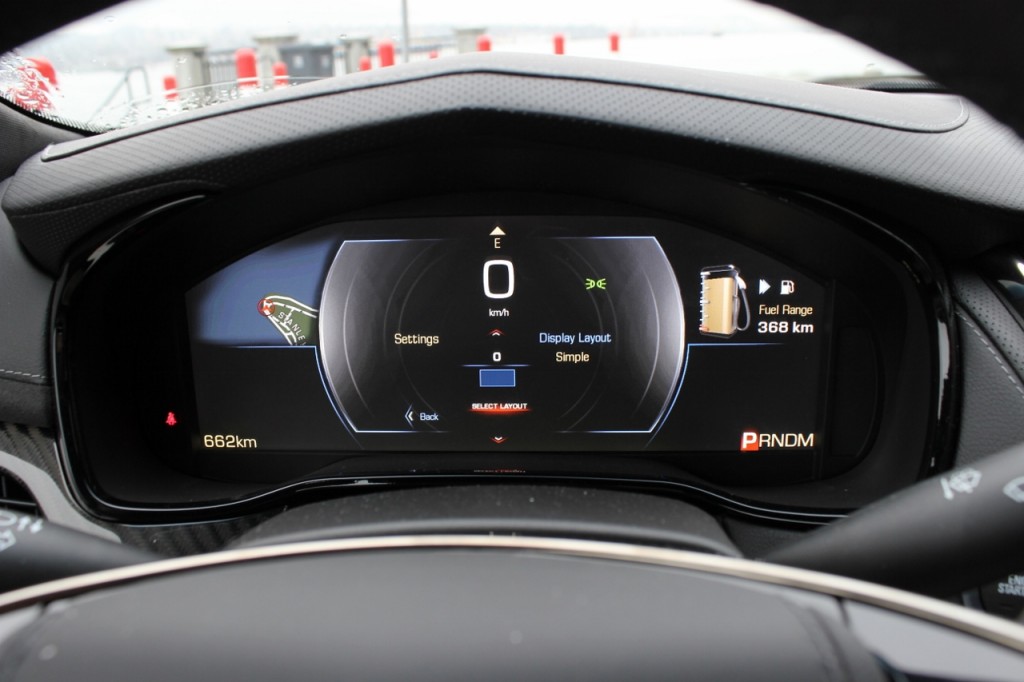
I do, however, like the optional digital gauge cluster that can be configured different ways, highlighting certain fields of information depending on which mode; “Simple”, for example, gives you a digital readout as a speedometer, right there in the middle of the cluster. “Performance” gives you a speedometer and tachometer, and so on.
Get past that and focus on the drive, and much of the CTS’ strengths come to the fore.
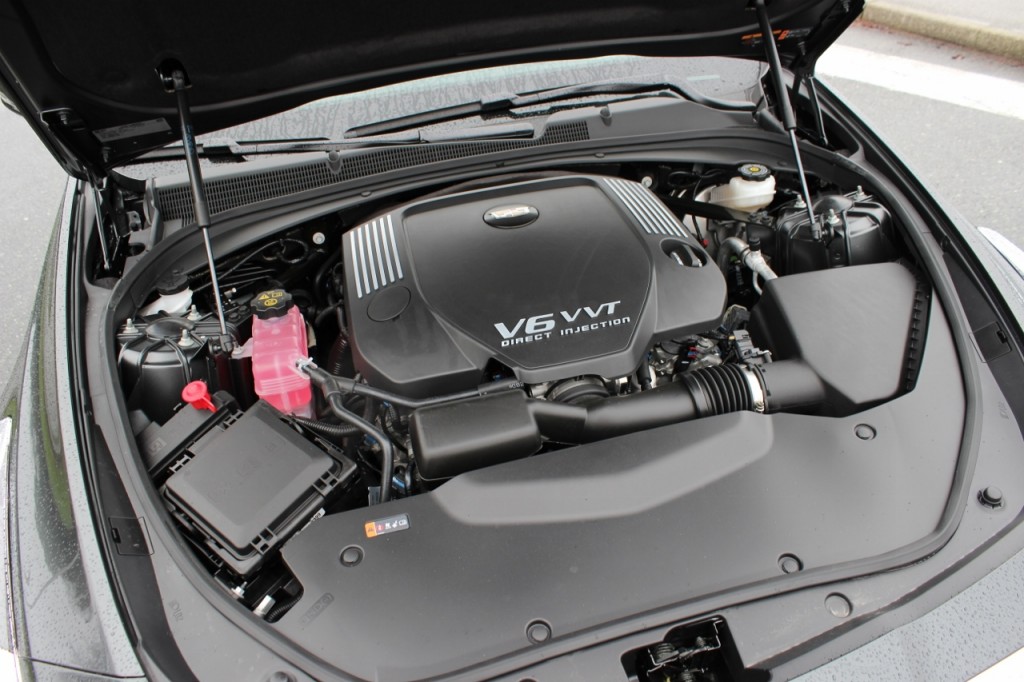
Three engines are available; a 2.0L turbo-4, a 3.6L V6 and a 3.6L twin-turbo V6; we had the naturally-aspirated V6 in our tester.
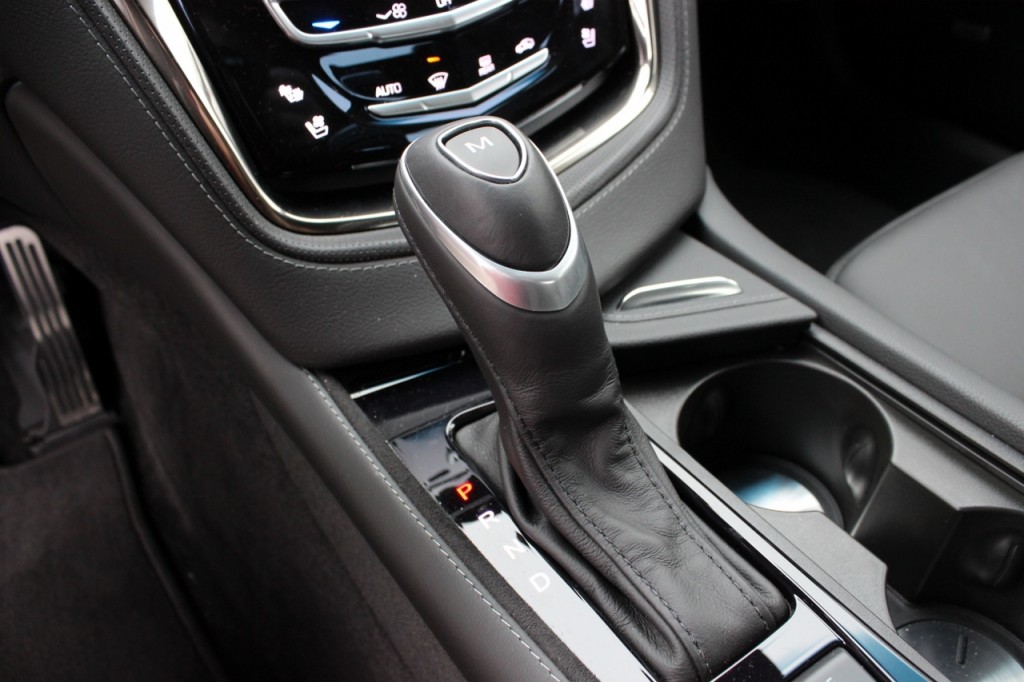
It makes 321 horsepower and 275 lb.-ft. of torque, transmitted to all-four wheels through a six-speed automatic transmission. RWD is also an option, in fact it’s the only one if you select the twin-turbo V6.
That 321 hp is enough to stand toe-to-toe with what Japan and Germany have to offer in the segment, and it will have you zipping forward with very little hesitation, which, of course, is a benefit of a naturally-aspirated motor. This is a fantastically smooth powerplant that does its thing with no vibration and a pretty silent report through the twin exhaust. If you want more noise, there are options (like the forthcoming CTS-V, for example), but if a luxury cruise is what you’re after, then this is it.
That being said, the responsiveness of the steering rack is in a rather different league. If this were a cruiser—a proper, livery operator’s car—then the wheel could be turned, infinitely, from lock to lock using a single finger. Here, a little more elbow grease is required, which is a nice nod to the CTS’ performance sedan credentials.
The response on turn in is direct, the CTS bounding from apex to apex on a bendy road with surprising gumption, considering there’s an even more honed Vsport performance model available. I’ve driven that car, and while the power on-tap is incredibly robust, you won’t feel as much of a departure on the handling department, especially since the Vsport makes do without out tester’s smart AWD, than can transfer power from axle to axle as needed, providing sharper turn-in. You’ll not want to push too hard, though, as the CTS isn’t the most frugal of vehicles, coming in at 15.9L/100 km in the combined cycle during our test.
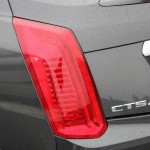
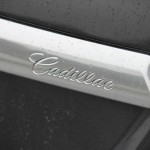
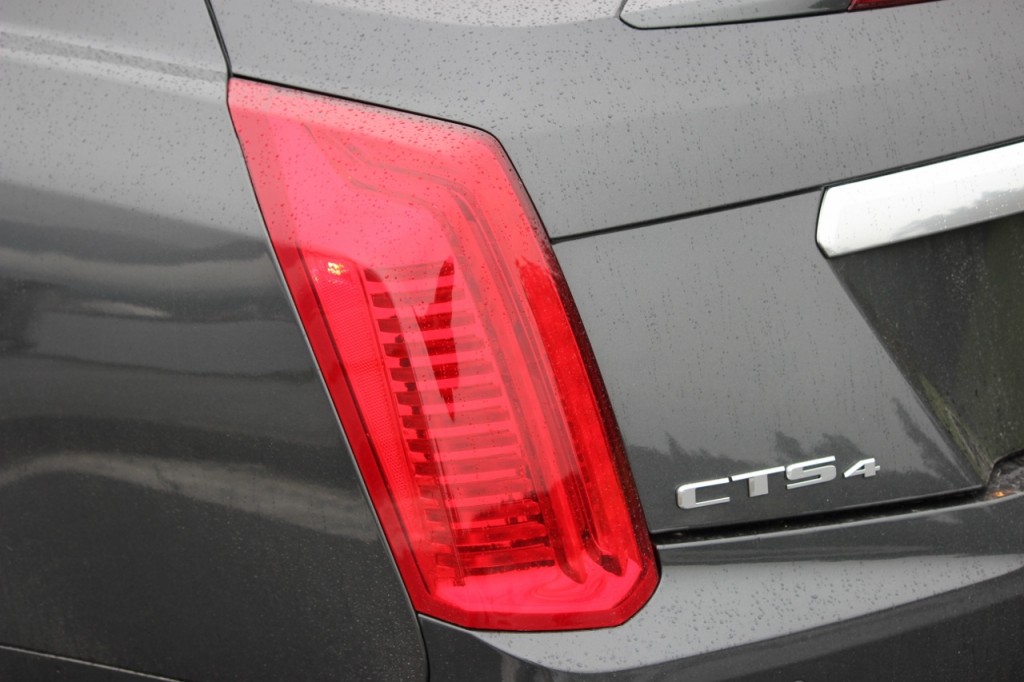
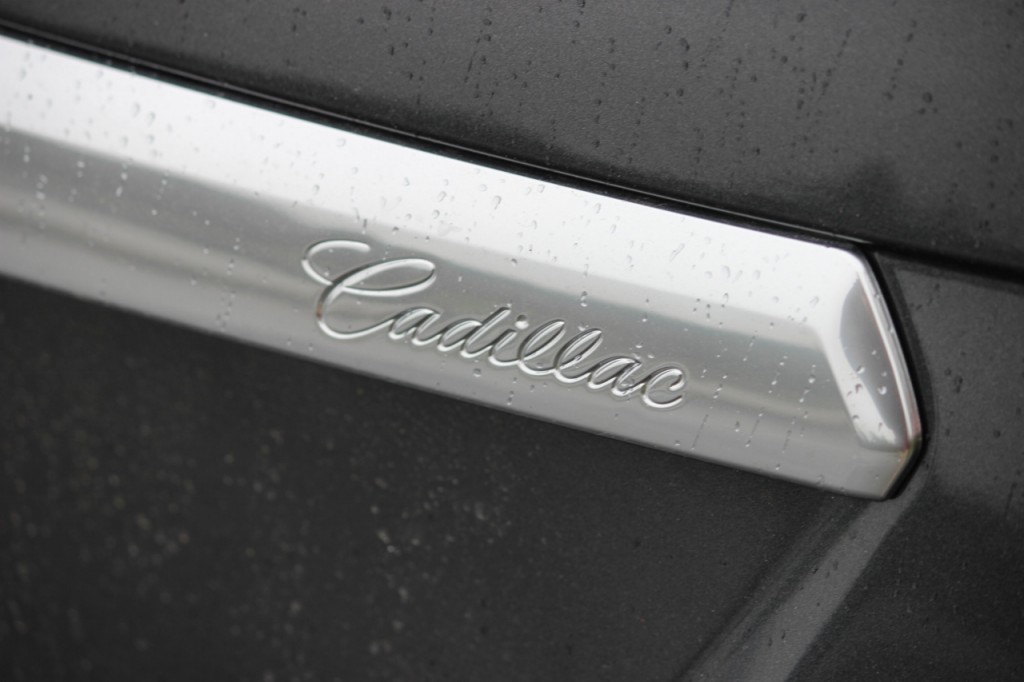
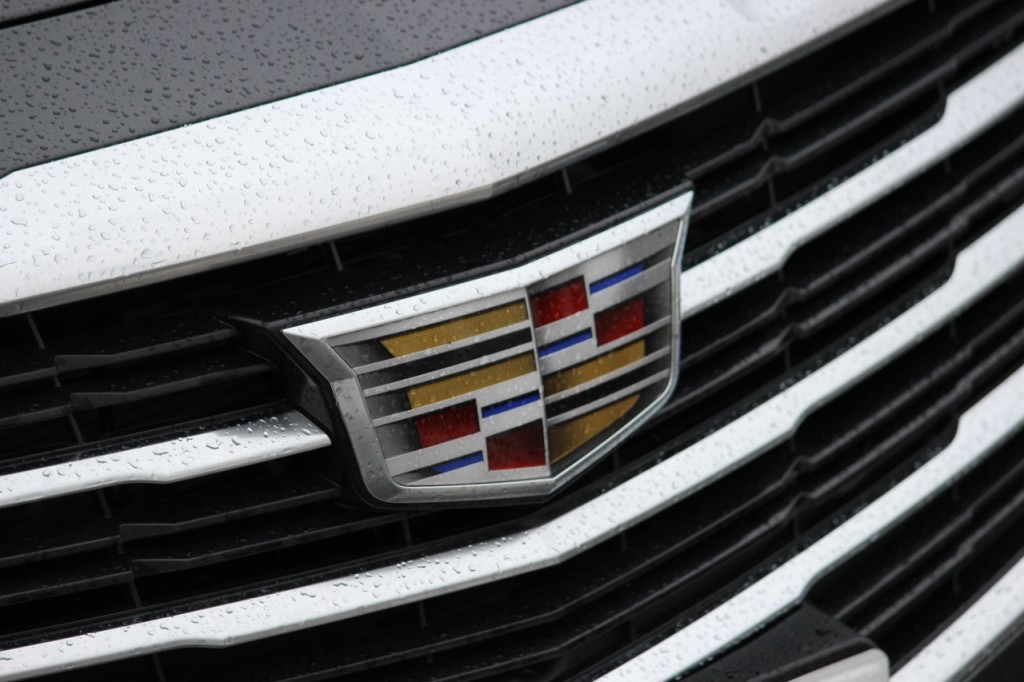
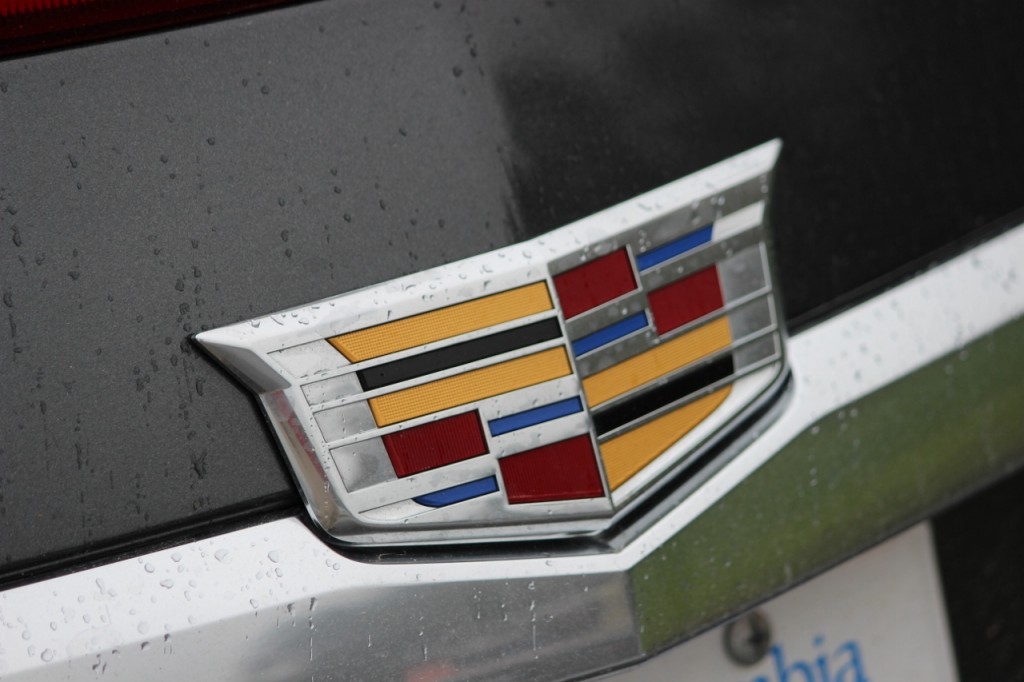
Being the Luxury package, our car also featured a comprehensive set of safety aids when it came time to get back to a relaxing drive; automatic brake intervention when backing up, active lane-keep assist (the CTS steers itself back into the lane) and radar-based cruise control. Some may lament the fact that the Cadillac emblem on the grille is made of plastic, but that`s just Cadillac’s clever way of hiding the radar sensor. On most cars with this feature, the sensor pops up from the front fascia like a sore thumb. At least the Caddy insignia on the back is crafted from metal.
There’s no question the CTS is a very well sorted car. Having said that, with the arrival of the ATS and the penchant for folks to downsize even their luxury models means the CTS has to be an obvious step up, and it isn’t quite as much of a departure from the smaller car as I’d hoped.